









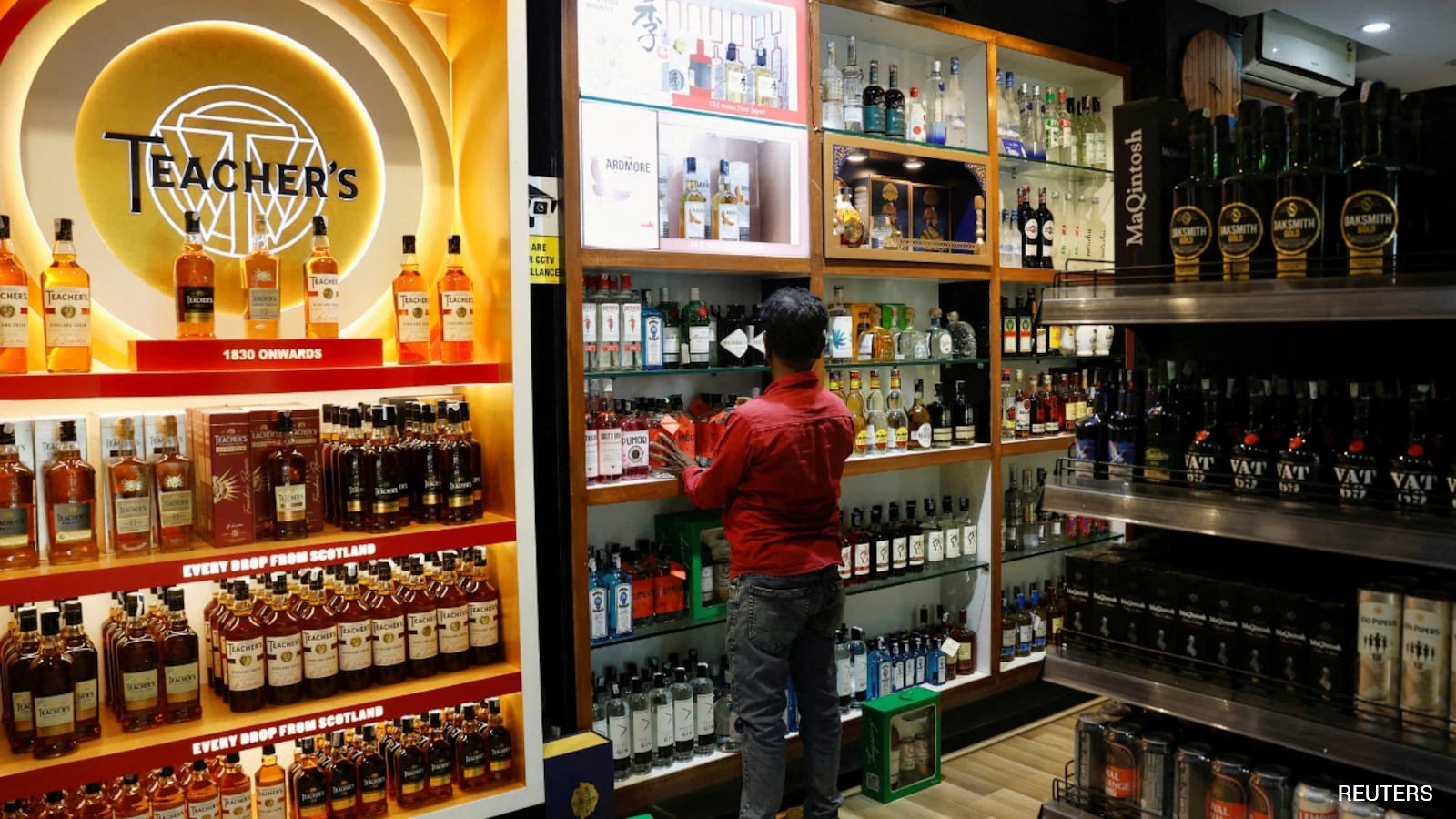
Scotch Whisky Trade Dispute: India’s Probe Into Bulk Imports Strains Landmark Pact
India’s flourishing $65 billion alcohol market is currently caught in a brewing regulatory storm. The Indian government has launched a rigorous investigation into the classification of bulk Scotch whisky imports, a move that directly challenges the spirit of the historic India-UK trade agreement implemented just last July.
The Tariff Controversy
When the India-UK trade deal was finalized, it was celebrated as a victory for both nations. A cornerstone of this pact was the immediate reduction of import duties on Scotch whisky from 150 percent to 75 percent, with a roadmap to phase them down to 40 percent over the next decade. The British government touted the agreement as a significant boost for iconic UK exports, including Scotch and gin.
However, a dispute has emerged regarding whether this tariff relief applies to bulk Scotch imports. While bottled, premium Scotch labels—such as The Glenlivet—are currently enjoying the reduced 75 percent tax rate, Indian customs officials have begun signaling that bulk shipments do not qualify for the same treatment. Instead, tax authorities are attempting to reclassify these bulk liquids under a specific category for “compound alcoholic preparations,” which triggers the older, prohibitive 150 percent tariff.
Industry Pushback
Major global players, including Diageo and Pernod Ricard, alongside prominent Indian entities like Radico Khaitan and Allied Blenders and Distillers, are facing intense scrutiny from tax officials who have conducted office searches in recent weeks.
The industry remains staunchly opposed to the government’s interpretation. Trade experts, such as Rajnish Singh of Yaana Advisors, argue that the government’s classification is technically flawed. “Compound alcoholic beverages are essentially flavoured or modified alcohols, whereas bulk Scotch Whisky is a distilled alcoholic beverage produced with malted barley and water,” Singh noted. The industry contends that bulk Scotch is a primary raw material rather than a “compound preparation,” and it should therefore be covered by the agreed-upon tariff reductions stipulated in the pact.
Why Bulk Imports Matter
The stakes are exceptionally high. India serves as the largest export market for Scotch whisky by volume, receiving the equivalent of over 220 million bottles in 2025. Crucially, about 80 percent of this volume is shipped in bulk.
These imports are vital for the production of Indian-Made Foreign Liquor (IMFL), which blends imported Scotch malts with domestic grain spirits to cater to local preferences. Popular brands, such as Pernod’s Blenders Pride, rely heavily on these consistent bulk imports to maintain the profiles that Indian consumers expect. For these companies, a return to the 150 percent tariff could disrupt supply chains, force price hikes, and stifle the growth of the premium whisky segment in India.
Path to Resolution
The British government has acknowledged the severity of the situation and confirmed that it is actively engaging with New Delhi to ensure that the terms of the trade deal are upheld. As the Indian government prepares for high-level discussions with industry representatives, the outcome will be critical in determining whether the trade pact continues to foster cooperation or becomes the source of a long-standing diplomatic and fiscal deadlock.
Disclaimer: This content is auto-generated for informational purposes only.
Source: Read Original News