








Sony Initiates Direct Trade-in Program for PlayStation 5 Hardware
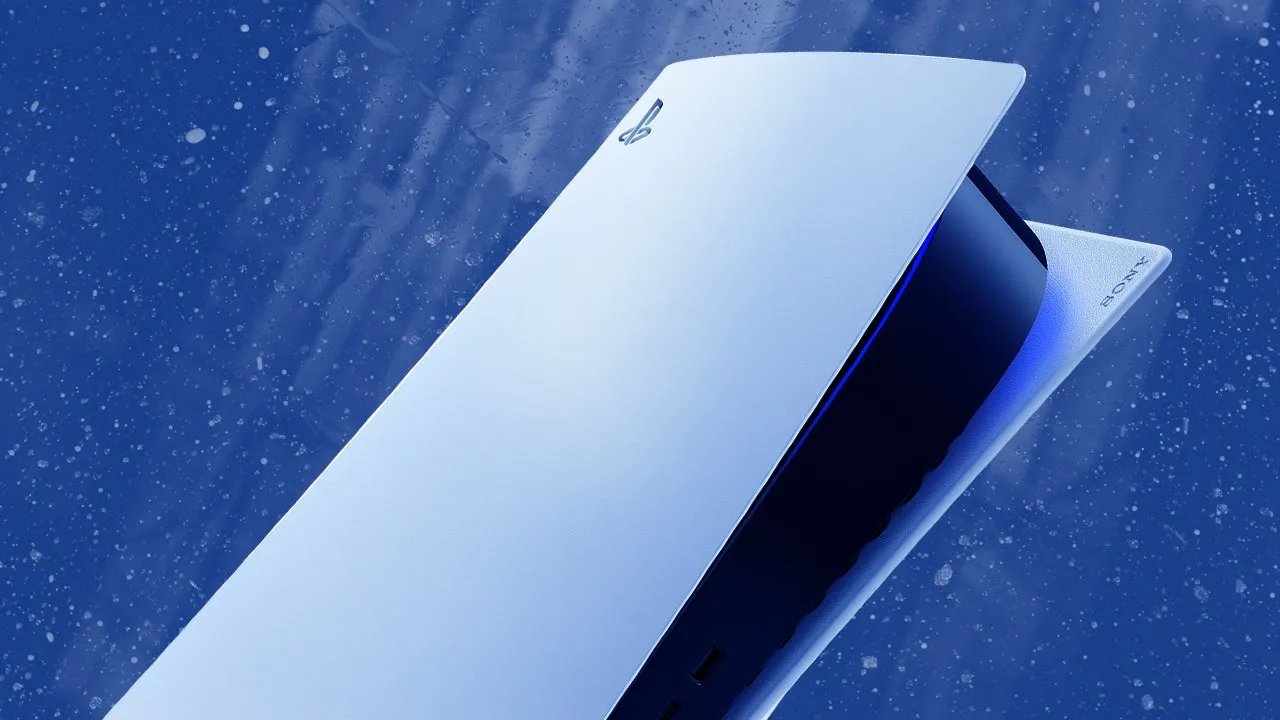
In an unconventional shift for hardware manufacturers, Sony has begun reaching out directly to its consumer base with an offer to repurchase existing PlayStation 5 consoles. Users of the official PlayStation mobile application have started receiving notifications detailing a trade-in program that provides up to $400 for a standard PlayStation 5 unit accompanied by two controllers. This initiative marks a significant departure from standard industry practices, where hardware trade-ins are typically managed through third-party retail partners such as GameStop or Best Buy.
By facilitating a direct transaction, Sony bypasses the traditional retail chain, allowing customers to receive funds directly into their bank accounts. While the logistics of such a program involve significant shipping and refurbishment coordination, the direct outreach suggests that the company is actively seeking to reclaim hardware inventory from its current user base.
Analyzing the Motivations Behind the Buyback Strategy
Market analysts are observing this development with interest, as it raises questions about Sony’s supply chain objectives. One primary theory is that the company intends to build a stock of pre-owned consoles that can be refurbished and sold at a more accessible price point. As the cost of brand-new gaming hardware continues to climb, offering certified pre-owned units provides an alternative entry point for consumers who might otherwise be priced out of the current ecosystem.
Alternatively, this move may be a proactive measure to address potential hardware shortages. With high-profile titles on the horizon, including the highly anticipated release of Grand Theft Auto VI, the demand for capable gaming hardware is expected to spike. By consolidating existing units, Sony may be positioning itself to maintain a consistent supply of units in its own refurbishment pipeline, ensuring that the market remains serviced even if new component manufacturing faces constraints.
Comparing Market Valuations and Consumer Impact
For consumers, this trade-in valuation presents a unique financial scenario. A payout of $400 for a standard console and two controllers represents a strong recovery of the original investment, especially for early adopters who purchased their hardware years ago. In previous console generations, such as the PlayStation 4 era, trade-in values at retail locations were rarely this competitive, often depreciating significantly as time passed.
However, the value proposition must be weighed against the current secondary market prices. With the recent launch of the PlayStation 5 Pro, the gaming market has seen significant price volatility. Premium models are currently retailing for approximately $900, but supply scarcity in the lead-up to major software launches has driven prices for second-hand units to extreme levels. In some instances, resellers and third-party retailers have listed used Pro models for as much as $1,400. While the Sony trade-in offer is for the base model, it serves as a stable, reliable exit strategy for users who may be looking to recoup funds rather than navigate the unpredictable secondary market.
Operational Challenges and Refurbishment Logistics
Implementing a direct-to-consumer buyback program is a complex undertaking for a global technology firm. Unlike a retail store where inspection happens in person, Sony must manage the collection, quality control, and potential repair of units arriving from individual households. This requires a robust logistical framework to verify that the returned hardware meets performance standards before it can be effectively resold.
The program also requires clear communication regarding the condition of returned assets. For a console to qualify for the maximum $400 value, it must likely remain in excellent aesthetic and functional condition. Users are generally required to ensure that controllers are functional and that the console hardware is free of major physical damage. This shift implies that Sony is creating a vertical integration of its hardware lifecycle, managing not just the sale of new products but also the intake and redistribution of legacy inventory.
Strategic Implications for the PlayStation Ecosystem
The long-term impact of this program on the PlayStation ecosystem could be substantial. By reclaiming units, Sony effectively controls a portion of the secondary market, which helps prevent massive price inflation caused by unauthorized resellers. Furthermore, it allows the company to transition users from older hardware to newer iterations, such as the PlayStation 5 Pro, by making the upgrade path more affordable through direct cash incentives.
As the industry moves toward a future where hardware capability is closely tied to software performance, maintaining a healthy base of active consoles is critical. Whether this initiative becomes a permanent fixture of Sony’s retail operations or remains a temporary measure to manage inventory leading into the next wave of major game releases, it represents a notable evolution in how platform holders engage with their user base. It transforms the manufacturer from a simple seller of new devices into an active participant in the entire life cycle of their hardware products, ensuring that the PlayStation experience remains accessible across various price sensitivities.
Disclaimer: This content is auto-generated for informational purposes only.
Source: Read Original News