







US forces launched a series of “defensive” strikes on Iran’s Qeshm Island late Monday, marking the first military engagement in the area since June. The operation, which involved aerial bombardment of the strategic island, comes amid a volatile landscape defined by high-stakes diplomacy and the looming shadow of the United States midterm elections.
The strikes occurred after the Iranian Revolutionary Guard Corps (IRGC) reportedly destroyed a US MQ-9 drone east of the Strait of Hormuz. Washington justified the move as a necessary response to Iranian forces targeting US assets with surface-to-air missiles. While US officials described the operation as “limited” and intended to deter further escalation, the timing has intensified fears that a broader conflict could erupt as political tensions in the United States reach a fever pitch.
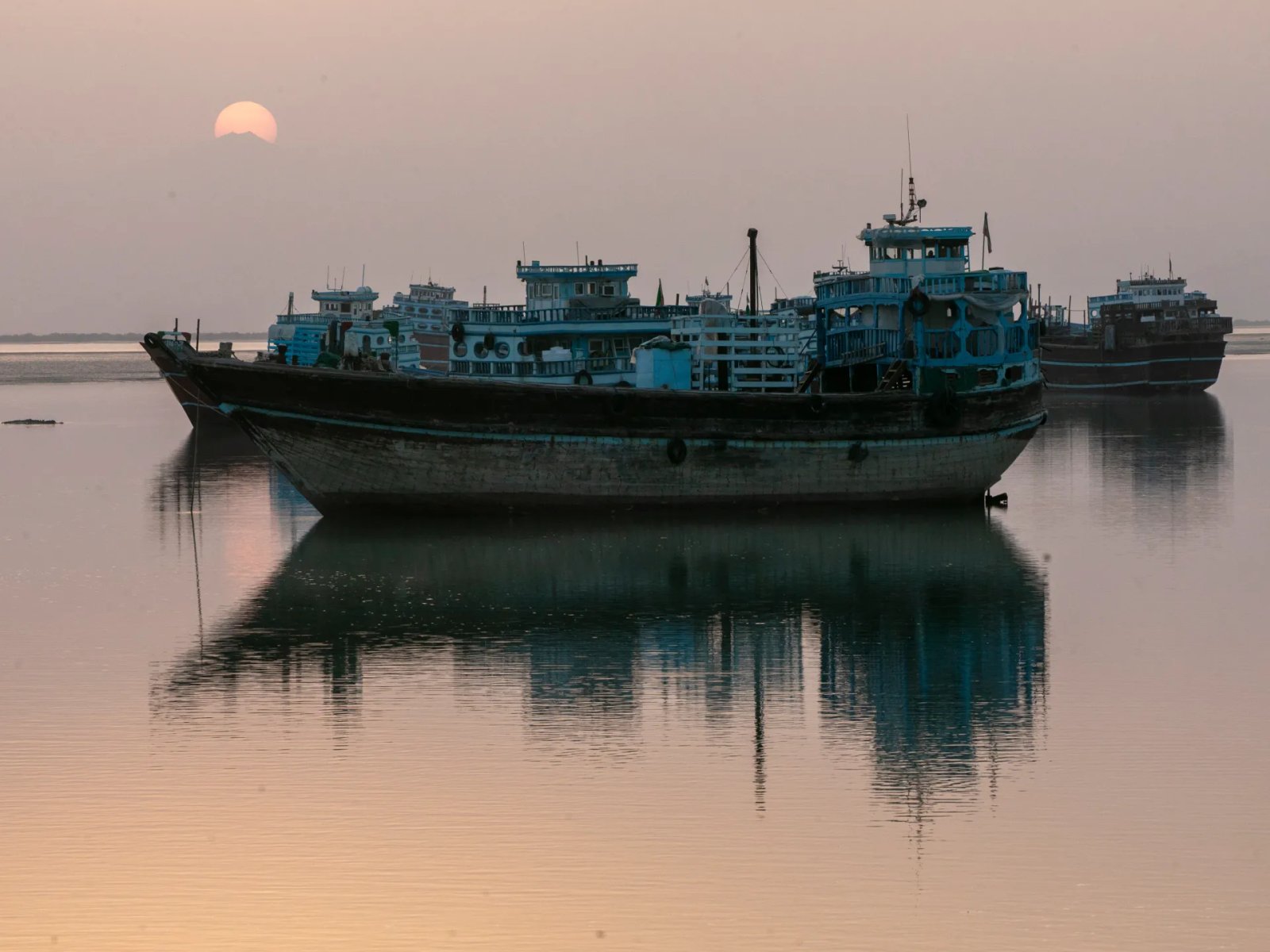
Qeshm Island remains a focal point of regional instability. Known as a primary platform for Iran’s asymmetric naval power, it has been a frequent target during the ongoing conflict that began on February 28. Previous strikes on the island, including a March attack on a critical desalination plant that left dozens of villages without fresh water, have underscored the devastating impact the war continues to have on civilian infrastructure.
Diplomatic channels remain active but increasingly precarious. Qatari mediators have been engaged in intensive, indirect talks between Washington and Tehran, shuttling between capitals to secure a breakthrough. Iranian Foreign Minister Abbas Araghchi indicated on Monday that Tehran had presented its conditions for a potential deal, placing the burden of “political rationality” on Washington. Meanwhile, Iranian President Masoud Pezeshkian has signaled a shift in strategy, noting that Supreme Leader Ayatollah Khamenei has granted the government authorization to pursue a diplomatic resolution.
Despite these efforts, rhetoric remains combative. Parliament Speaker Mohammad Bagher Ghalibaf warned Tuesday that Iran’s response to any “miscalculation” by the United States would be “unpredictable,” asserting that Tehran would not be forced into submission through military pressure.
In Washington, the narrative remains split. Vice President JD Vance expressed optimism regarding a negotiated settlement shortly before the strikes were carried out. Conversely, Donald Trump has maintained a more ambiguous posture. While suggesting on Truth Social that a deal could be reached “as soon as possible,” he simultaneously told media outlets that he was “in no rush,” citing the success of economic measures that have crippled the Iranian economy.
As the midterm elections serve as a major inflection point, observers fear that the window for a lasting ceasefire is closing. There is widespread speculation that the White House may pivot toward a more aggressive military campaign following the vote, potentially targeting Iran’s heavily fortified nuclear facilities, including the secretive “Pickaxe Mountain” site. With the Strait of Hormuz remaining a volatile bottleneck for global energy supplies, the international community continues to watch as both nations teeter between a fragile peace and the threat of total war.
Disclaimer: This content is auto-generated for informational purposes only.
Source: Read Original News