







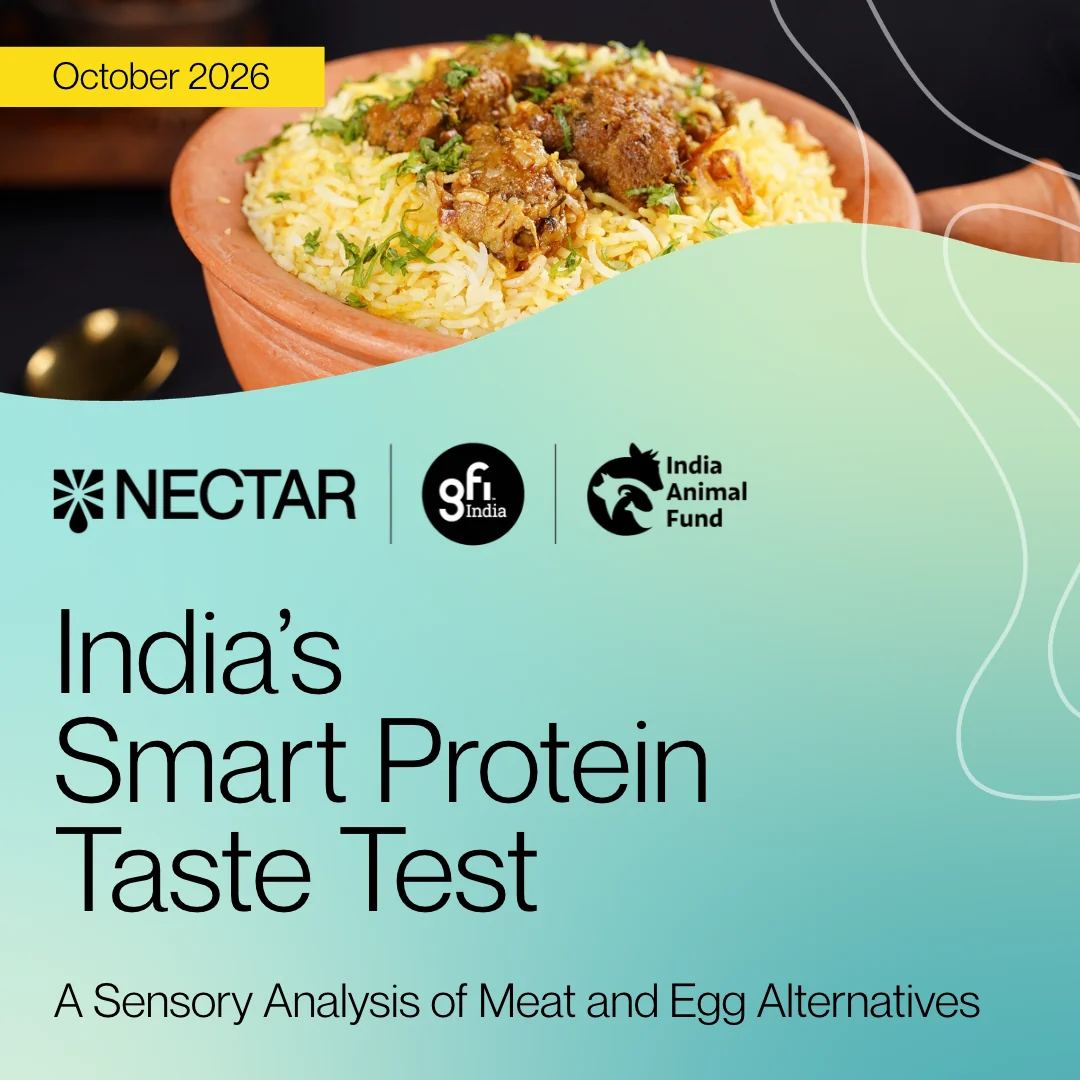
Plant-Based Protein Gains Traction in India as Taste Parity Nears
A groundbreaking study into the sensory appeal of alternative proteins has revealed that Indian meat-eaters are increasingly receptive to plant-based meat and egg substitutes. The research, titled India’s Smart Protein Taste Test, conducted by NECTAR, the India Animal Fund (IAF), and the Good Food Institute India (GFI India), suggests that the country’s burgeoning demand for protein could be met through sustainable, plant-derived alternatives if sensory quality continues to evolve.
The study involved 700 habitual meat consumers from Mumbai and Bengaluru, who participated in a blind taste test comparing 26 different plant-based products against their conventional animal-derived counterparts.
Encouraging Results for the Smart Protein Sector
The findings offer a mix of optimism and clear direction for industry R&D teams. Approximately 60% of the participants reported a positive experience, stating they either “liked” or “liked very much” the plant-based offerings. Even more promising for the sector’s commercial future was the 85% conceptual purchase intent expressed by the participants.
On a 7-point scale, the products achieved respectable “liking” scores ranging from 4.3 to 6.0. Most significantly, the research identified true “taste parity” in specific categories. A plant-based chicken tikka and a chicken-style patty performed so well that participants could find no meaningful difference between them and the animal-based versions.
“Taste is paramount to the success of plant-based meat,” noted Caroline Cotto, Director of NECTAR. “While values can drive a consumer to try a product, off-flavours or texture issues will prevent them from making a repeat purchase. We are encouraged by these results, but they also provide R&D teams with a clear roadmap on where to focus improvements.”
The Critical Role of Protein and Innovation
While consumers acknowledged the environmental and animal welfare benefits of choosing plant-based alternatives, the research highlighted that nutritional parity remains a major hurdle. When evaluating food, participants consistently prioritized protein content. Over 99% of those surveyed identified protein as a vital component of their diet, with many admitting they rely on meat and eggs to meet their daily intake requirements. When viewing product labels, clear communication regarding protein content significantly boosted the likelihood of purchase.
The study identified specific areas—such as eggs, mutton keema, and chicken chunks—that still require refinement. Researchers found that enhancing the “animal-like” qualities, such as richness and buttery mouthfeel, while simultaneously reducing off-notes, would be the most effective strategy for winning over a broader consumer base.
Adapting to India’s Culinary Landscape
For the plant-based sector to truly thrive in India, experts suggest that manufacturers must look beyond international templates and embrace local nuances.
“These findings point to a major opportunity for innovation,” said Sneha Singh, Managing Director of GFI India. “By utilizing indigenous crops and traditional Indian food processing techniques, we can create products that resonate with the local palate. This approach not only makes the food more appealing but also aligns with the country’s diverse culinary heritage.”
As the industry looks to the future, the integration of sensory excellence and cultural alignment will be key. Rekha Raghunathan, CEO of India Animal Fund, emphasized that plant-based protein is poised to become a permanent fixture in the Indian diet, provided that manufacturers continue to bridge the gap between ethical consumer values and the high taste expectations of the Indian kitchen.
Disclaimer: This content is auto-generated for informational purposes only.
Source: Read Original News