







The Durability Paradigm Shift in Foldable and Rigid Displays
The consumer electronics industry is currently navigating a complex transition regarding device durability. For years, the narrative surrounding foldables, particularly Samsung’s Galaxy Z series, centered on the vulnerability of the flexible hinge and the delicate polymer screen layer. However, a recent shift in discourse—often dubbed “crackgate” by early adopters—has moved the scrutiny toward Apple’s iPhone 16 series. Reports from some users describe hairline fractures appearing on the rear glass or near the camera modules without significant impact. This phenomenon has sparked a technical debate regarding the structural integrity of modern smartphones, raising questions about whether current manufacturing tolerances are keeping pace with increasingly sophisticated industrial designs.
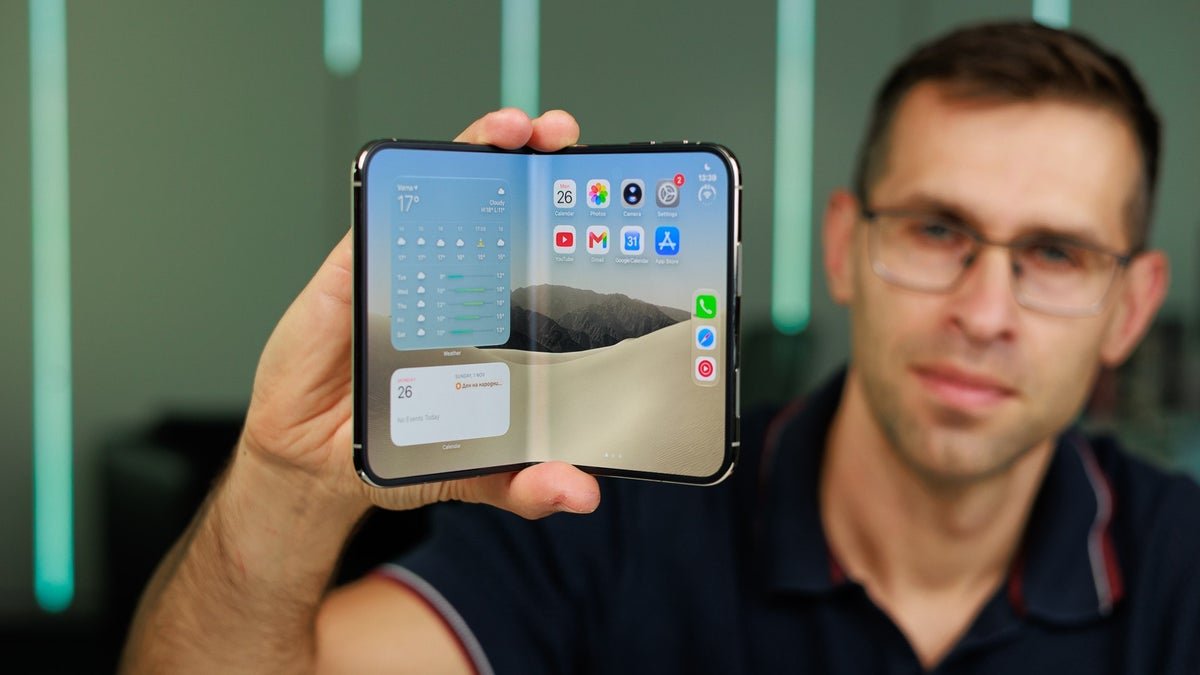
When comparing a rigid device like the iPhone 16 to a foldable like the Galaxy Z Fold 6 or 8, the engineering challenges differ fundamentally. The Galaxy Z series is engineered with a multi-layered, shock-absorbent display stack designed to dissipate kinetic energy across a flexible axis. Conversely, Apple utilizes ion-strengthened glass and aerospace-grade aluminum or titanium frames intended for rigidity. When a crack appears on a rigid phone, it often suggests a failure in stress distribution, where the frame or internal chassis is unable to absorb thermal expansion or micro-deformations, transferring that stress directly to the glass panel.
Engineering Stress Distribution in Modern Chassis Design
The structural failure observed in some units is often a matter of materials science rather than simple physical abuse. Modern flagship smartphones are packed with high-density components, including sophisticated camera arrays, large batteries, and complex haptic engines. As manufacturers strive for thinner profiles and more ergonomic curves, the internal framework must support these heavy components while maintaining enough structural rigidity to resist everyday torsion.
In devices where the glass is bonded directly to a metallic frame, the coefficient of thermal expansion becomes a critical factor. If the metal chassis expands at a different rate than the glass during internal heating—common during high-intensity gaming or rapid wireless charging—the resulting pressure can manifest as spontaneous micro-fractures. For users, this means that the “babying” of a device is no longer just about avoiding drops; it is about managing the thermal environment and minimizing torsional pressure in pockets or bags. While Apple maintains that these incidents affect a “very small percentage” of total units, the concern persists that the pursuit of aesthetic minimalism is pushing materials to their physical limits.
The Contrast Between Flexible and Rigid Failure Modes
The skepticism surrounding Apple’s current hardware stands in stark contrast to the historical caution applied to foldable devices. When the first generation of foldables launched, consumers expected failure as a default state, treating the hardware with a high degree of defensive care. Because the hinge and the flexible OLED panel were known variables in the failure equation, users adjusted their behavior accordingly. They were conscious of debris, screen protectors, and pressure points.
With the iPhone 16, users operate under the assumption of high durability. The marketing claims surrounding “Ceramic Shield” and reinforced titanium build a sense of invincibility. When that expectation is met with a hairline fracture, the disconnect is more jarring than when a foldable fails. The irony is that the high-precision fit and finish of a rigid flagship—which eliminates gaps and seams—actually makes the glass more susceptible to concentrated stress. In a foldable, the mechanical hinge acts as a pressure relief valve; in a rigid unibody, the glass has nowhere to go when the chassis flexes, leaving the surface layer as the primary point of failure.
Predictive Maintenance and User Behavior
For the average consumer, navigating these reports requires a shift in how they handle high-end hardware. Protecting a device now involves more than just a screen protector. Protective cases have become essential, not just for impact protection, but for adding structural rigidity to the device. A high-quality rigid case distributes pressure across the entire frame, preventing the phone from bending slightly when tucked into a tight pocket, which is often the silent culprit behind spontaneous screen or glass cracks.
Furthermore, awareness of thermal management is becoming a necessity for device longevity. Prolonged heat soak—often occurring when a device is left in a vehicle or subjected to sustained heavy processing without adequate cooling—can weaken the adhesives holding the glass to the frame. By managing how and where a device is charged and avoiding extreme environments, users can mitigate the risks associated with structural stress. While manufacturers continue to refine their assembly processes, current data suggests that the hardware is susceptible to the physical realities of modern material science.
The Future of Smartphone Structural Integrity
Looking ahead, the industry is moving toward new composites that may resolve these issues. Research into ceramic-infused alloys and more flexible, energy-dissipating frame structures is already underway. Apple and its competitors are likely evaluating the tradeoffs between the sleek, high-modulus materials currently in use and materials that provide more “give.”
Until a breakthrough in material elasticity is achieved, the gap between consumer expectations and physical reality will likely continue to manifest as these reports of spontaneous damage. For now, the takeaway for the tech-conscious user is clear: even the most robust flagship smartphone is not an indestructible tool. It is a highly engineered, delicate piece of machinery that remains susceptible to environmental forces and structural fatigue. Treating the device with a measured level of caution—regardless of its marketing label—remains the most effective strategy for ensuring long-term usability. The transition toward thinner, more integrated designs is a marvel of engineering, but it necessitates a more informed approach to how these devices are stored, carried, and maintained.
Disclaimer: This content is auto-generated for informational purposes only.
Source: Read Original News