








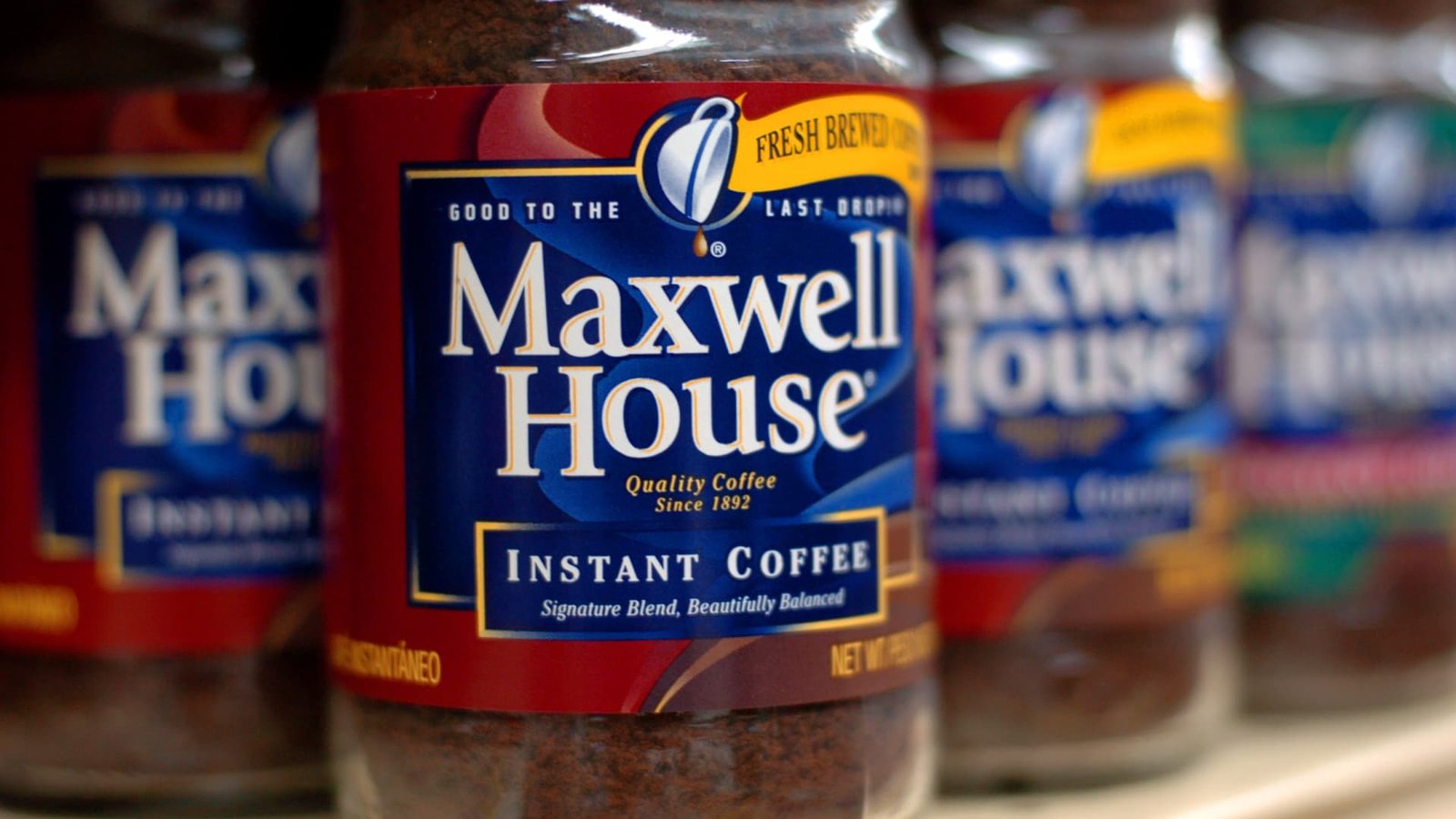
Kraft Heinz is doubling down on its strategic turnaround plan, announcing a significant divestiture of its North American coffee division as the food giant pivots toward its most profitable core brands. The company revealed on Wednesday that it has reached an agreement to sell the business—which includes household names like Maxwell House and Gevalia—to the private equity firm One Rock Capital Partners.
The deal, valued at $650 million, is slated to conclude by mid-2027. While Kraft Heinz is offloading the majority of the unit, it will retain a 30% noncontrolling stake in the entity, ensuring it remains tied to the future performance of these iconic coffee brands.
Refocusing on Core Brands and Financial Health
The divestiture is a centerpiece of CEO Steve Cahillane’s broader mission to streamline Kraft Heinz’s operations. Since taking the helm in January, Cahillane has moved away from previous, more drastic plans—such as splitting the company in two—to instead focus on internal optimization. By securing approximately $500 million in post-tax cash proceeds from the sale, the company intends to aggressively pay down its debt load.
For Kraft Heinz, this is more than just a sale; it is a reallocation of resources. The company is currently funneling $700 million back into its primary operations, emphasizing innovation within its core portfolio. This strategy aims to reverse stagnation and restore market share by sharpening the company’s focus on the product lines that define its footprint in the grocery aisle.
Technology and Efficiency as Growth Drivers
In an era where the food industry is increasingly reliant on data-driven consumer insights, Kraft Heinz is looking toward modernized operations to maintain its momentum. While the company operates in a traditional sector, its shift toward “meeting consumers where they are” implies a deeper integration of digital analytics and predictive modeling.
Modern food corporations are increasingly turning to AI-driven demand forecasting and sophisticated supply chain management software—tools often developed in collaboration with major tech players like Google Cloud. By optimizing production cycles and using advanced AI analytics to track shifting consumer preferences in real-time, Kraft Heinz is working to ensure that its marketing spend is as efficient as its manufacturing. The company’s recent efforts to launch new iterations of flagship products—such as its flavored Philadelphia cream cheese lines—suggest a desire to leverage data to keep brands relevant in a competitive, fast-moving digital retail landscape.
Market Sentiment and Future Outlook
The market responded favorably to the news, with Kraft Heinz shares climbing approximately 5% on Wednesday morning. This positive reaction follows a third-quarter earnings report that surpassed analyst expectations, signaling that the company’s internal stabilization efforts are beginning to yield tangible results.
Cahillane’s optimism is reflected in the company’s updated 2026 outlook. Kraft Heinz now projects organic net sales to decline by only 0.5% to 1.25%, an improvement from earlier, more pessimistic forecasts that suggested a drop of up to 2%.
“Our 2026 operating plan to turn around the U.S. business and accelerate growth internationally is on track,” Cahillane said in a statement. With trends in market share, sales, and volume showing improvement across all geographic regions, the company believes it is moving past the volatility that has plagued it since the massive merger a decade ago. As the business continues to shed non-core assets, the remaining structure appears better positioned to leverage operational efficiencies and sustain long-term growth in an increasingly complex global marketplace.
Disclaimer: This content is auto-generated for informational purposes only.
Source: Read Original News