








India to Champion Global South Interests at COP31 in Türkiye
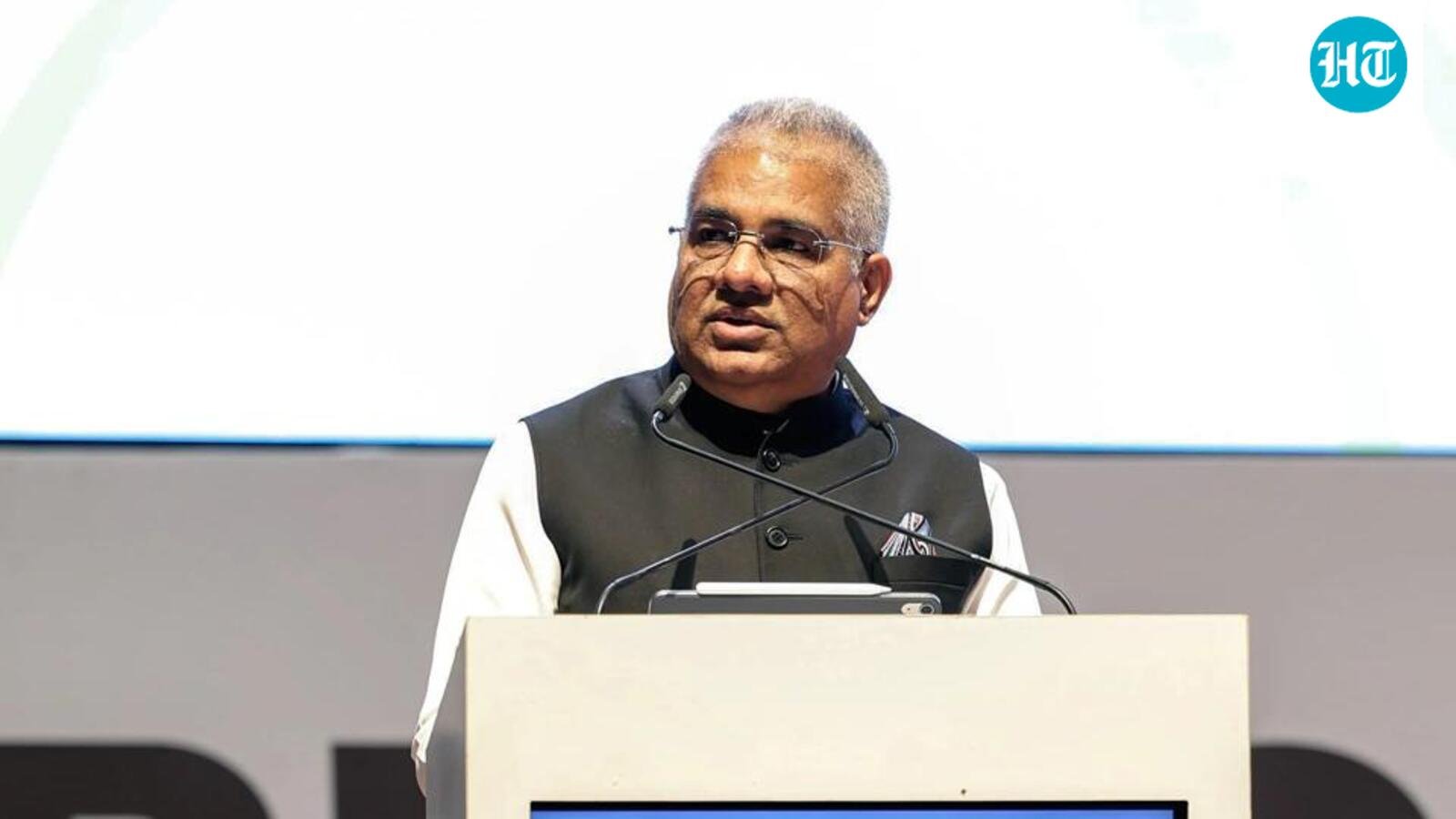
New Delhi: With the UN Climate Change Conference (COP31) set to commence in Antalya, Türkiye, from November 9 to 20, India has unveiled a robust, solution-oriented roadmap aimed at securing the interests of the Global South. Union Environment Minister Bhupender Yadav, who is scheduled to join the delegation on November 15, emphasized that India intends to steer the global discourse toward practical climate action, capacity building, and knowledge sharing.
Prioritizing Climate Finance and Equity
At the heart of India’s agenda is the demand for “predictable climate finance.” Addressing the media, Minister Yadav underscored that developed nations have a clear obligation under Article 9.1 of the Paris Agreement to provide financial resources to developing countries.
India is pushing for the formal commencement of the Climate Finance Work Programme to ensure that funding remains primarily public and concessional. “Climate finance must be predictable and should not exacerbate the debt burdens of developing nations,” Yadav asserted. Furthermore, India remains firmly opposed to any top-down imposition of new targets, arguing that the Global Stocktake and mitigation efforts must remain party-driven, facilitative, and respectful of the nationally determined nature of each country’s climate contributions (NDCs).
Removing Barriers to Green Technology
A significant pillar of India’s strategy involves dismantling systemic obstacles to technology transfer. Yadav stressed that developed countries have a moral and legal obligation to share climate-friendly technology. He pointedly criticized barriers related to intellectual property rights and trade costs, which often prevent smaller, vulnerable nations from accessing critical innovations.
“As long as we maintain these barriers, smaller countries will remain deprived of the benefits of climate-mitigation technology,” the minister stated. Consequently, India continues to maintain a strong stance against the European Union’s Carbon Border Adjustment Mechanism (CBAM). Echoing the sentiment of the recent BRICS New Delhi declaration, India argues that unilateral, protectionist measures like CBAM are discriminatory and fundamentally undermine the climate efforts of developing economies.
A Holistic Approach to Adaptation
Recognizing that climate change is a lived reality for millions, India is emphasizing the urgent need to prioritize adaptation, particularly concerning food security and the livelihoods of small and marginal farmers. The minister noted that while scientific reports from the Intergovernmental Panel on Climate Change (IPCC) provide a grim outlook on the impacts of weather phenomena like El Niño, these challenges can only be met through global cooperation.
India plans to operate as a bridge-builder during the Antalya summit, working in close coordination with the G-77, China, the Like-Minded Developing Countries (LMDC), and the BASIC bloc. By focusing on geography-specific solutions, the nation aims to ensure that global targets do not ignore the unique developmental realities of emerging economies.
Moving from Commitment to Implementation
As the international community converges in Türkiye, India’s message remains one of transition: moving from rhetoric to tangible implementation. By advocating for voluntary participation in carbon markets and resisting punitive climate measures, India seeks to ensure that the global transition to a greener economy is equitable, just, and inclusive.
“Our objective at COP31 is to make positive, constructive contributions that uphold the spirit of the Paris Agreement while ensuring that the interests of the Global South remain at the center of the transition,” Yadav concluded.
Disclaimer: This content is auto-generated for informational purposes only.
Source: Read Original News