








The historic Fernhill school site, which has stood as a local landmark since the late 19th century, is facing a transformative shift as its new owners move to clear the grounds of modern additions. The site, which was shuttered in mid-2026 amid a cloud of controversy, has become the subject of a major demolition application submitted by its current owner, electronics company Retronix Semiconductor.
The school’s closure occurred under the shadow of an investigation by the Office of the Scottish Charity Regulator (OSCR), which intervened after discovering that the institution had failed to submit its financial accounts for several consecutive years. Following the abrupt cessation of operations, the facility fell into a state of rapid decline, sparking mounting concerns from the local community and law enforcement.
In a demolition statement filed on behalf of Retronix, the company describes the site as a magnet for criminality. “Since the closure of the school in mid-2026, there have been multiple reports of break-ins and anti-social behaviour on the site,” the document reads. The situation reached a critical point in September 2026, when a fire broke out in the easternmost ancillary building, heightening fears that the vacant property had become a significant public safety hazard.
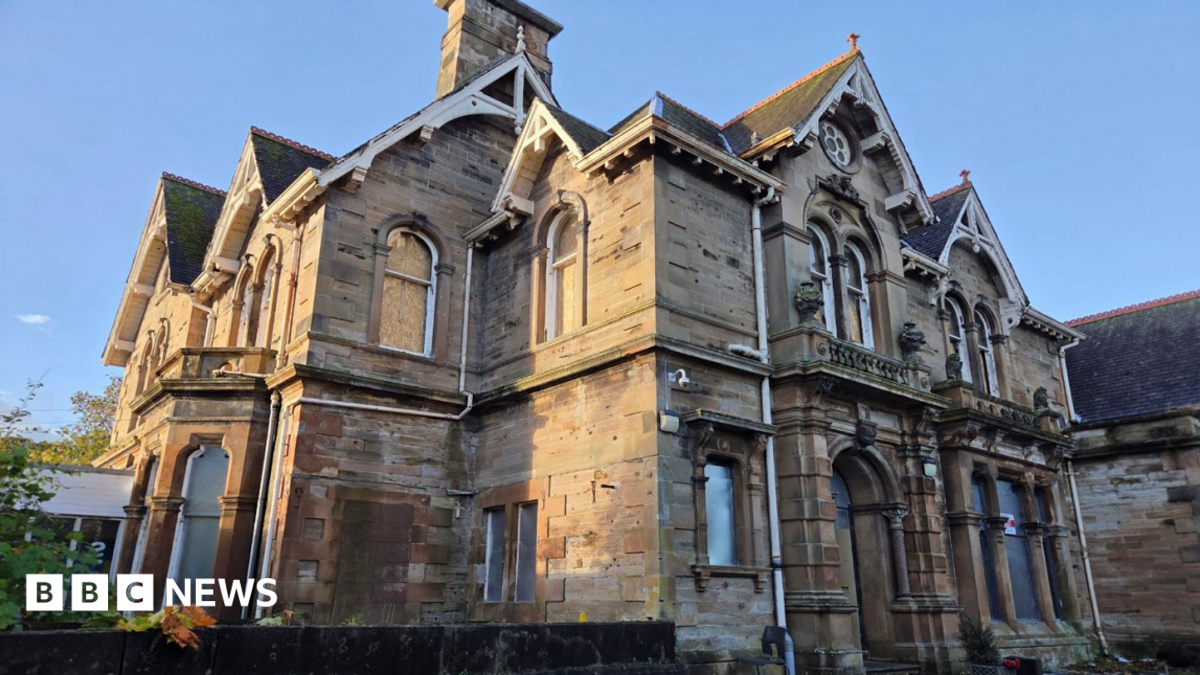
The applicant is now seeking permission to raze the later additions to the campus, arguing that these structures were built over several decades to accommodate the school’s expansion and possess no architectural merit. Crucially, the plan aims to preserve the original Category C-listed building, a structure dating back to the late 1800s that constitutes the historical heart of the property. Retronix argues that removing the surrounding, derelict school buildings is essential to ensuring the long-term security and preservation of the historic structure.
The connection between the site and its new owner is deep-rooted; Tony Boswell, the founder of Retronix Semiconductor, previously served as a director at Fernhill between 2011 and 2014, providing him with a unique insight into the campus’s operational history.
Proponents of the demolition argue that the removal of the dilapidated, modern extensions is the only viable path to securing the site against further vandalism. However, the proposal must now pass through the local planning process, where authorities will weigh the necessity of demolition against the conservation of the site’s heritage assets.
For many in the local area, the demolition marks a final chapter for an institution that had served the community for generations before its collapse into administrative and physical disarray. As planners review the application, the site remains under heavy scrutiny, with the owner maintaining that immediate action is the only way to prevent further destruction of the remaining protected architecture.
Disclaimer: This content is auto-generated for informational purposes only.
Source: Read Original News