





A Masterpiece Materialized: The Official Ocarina of Time Replica
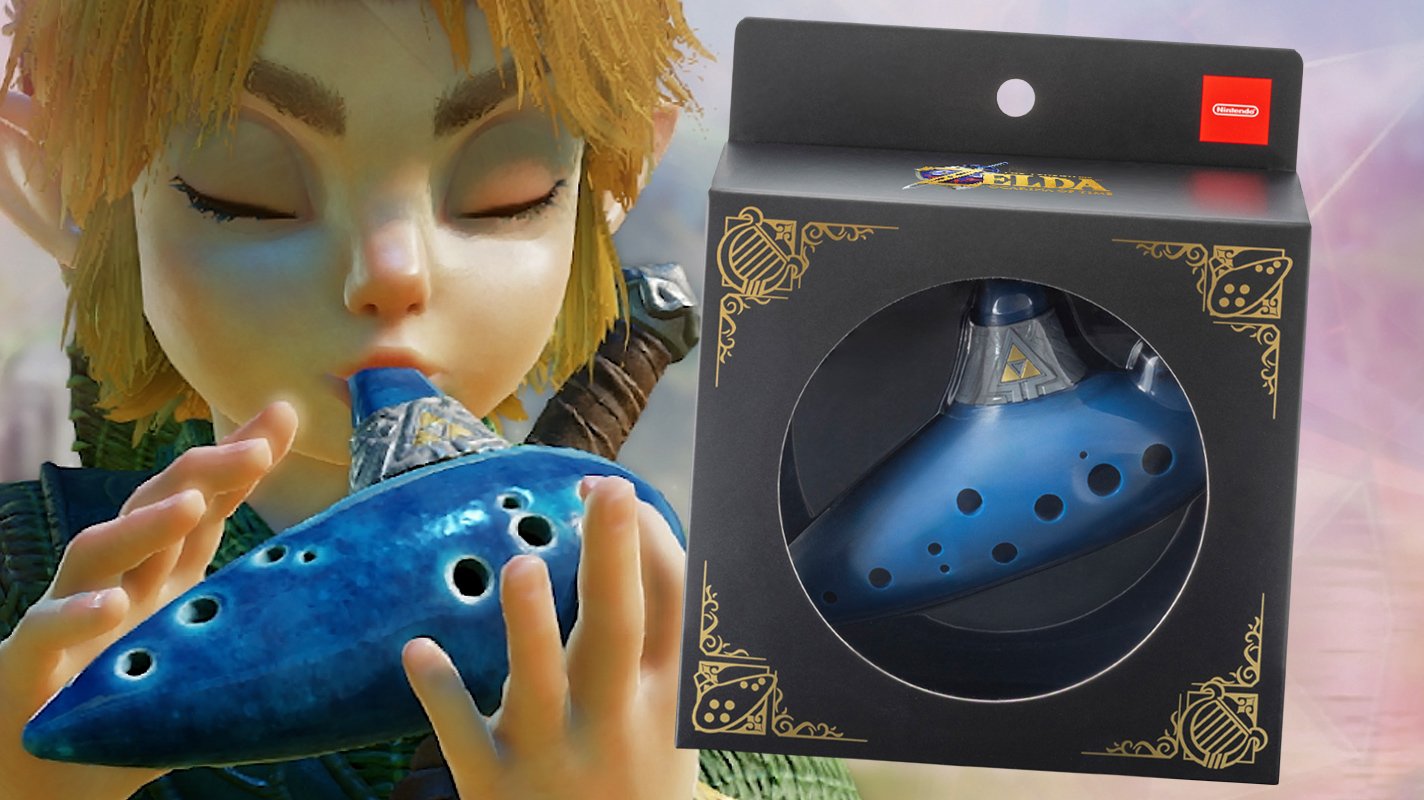
The world of Hyrule has frequently blurred the lines between digital fantasy and physical collectibles. Nintendo has officially reignited this intersection by launching a high-fidelity, non-electric replica of the iconic instrument from The Legend of Zelda: Ocarina of Time. Available exclusively through the official Nintendo online store, this physical release invites fans to bridge the gap between their console experiences and tangible musical craftsmanship.
This release follows a growing trend of high-end merchandise designed to cater to the dedicated enthusiast market. Priced at $54.95, the instrument serves as both a functional musical device and a premium display piece. Unlike mass-market toys, this version is constructed with an attention to detail that mirrors the aesthetic of the legendary artifact found within the game, providing a tactile connection to one of gaming’s most celebrated soundtracks.
Acoustic Fidelity and Design Considerations
While many digital-to-physical translations of gaming hardware prioritize form over function, this release maintains a focus on acoustic integrity. The instrument is crafted as a fully playable ceramic ocarina, capable of producing the haunting, melodic notes that define the 1998 classic. Because it lacks electronic components—distinguishing it from previous variations like the Hori Electric Ocarina—the device relies entirely on the player’s lung capacity and finger dexterity to produce sound.
The design utilizes a standard transverse fingering system, which is common among twelve-hole ocarinas. This allows users who possess basic musical knowledge to quickly learn the specific scales used in the game’s score. The absence of internal circuitry or digital emulation ensures that the instrument offers a purely organic experience, free from the latency or battery-dependent limitations often found in electronic replicas. For collectors, this represents a return to artisanal quality, where the focus remains on the acoustics of the material itself rather than digital output.
The Legacy of Electronic Alternatives
To understand the market positioning of this new release, one must consider the reception of the previous Hori Electric Ocarina. The Hori model functioned as a hybrid instrument, utilizing sensors and electronic feedback to simplify the playing experience for those unfamiliar with traditional wind instruments. It allowed users to trigger sound effects and assist with pitch accuracy, making it highly accessible but inherently limited by its digital nature.
The rapid sell-through of the Hori product signaled a massive demand for immersive, Zelda-themed hardware. However, the current non-electric offering serves a different demographic: the purist collector. By removing the digital crutch, Nintendo is appealing to those who wish to master the instrument in a traditional sense. This shift highlights a strategic pivot toward catering to enthusiasts who value the physical mastery of an instrument as much as the lore associated with the game itself.
Use-Cases and Practical Application
The utility of this instrument extends beyond a simple desk ornament. It serves as an educational tool for budding musicians, a high-quality prop for cosplayers seeking authenticity, and a centerpiece for memorabilia collections. Because it is tuned to standard musical keys, it can be played alongside other instruments, allowing fans to arrange their own versions of Koji Kondo’s timeless score.
For the modern gamer, the instrument provides a unique way to engage with the game’s themes. In the virtual environment of Ocarina of Time, the player uses specific musical sequences to manipulate the game world, such as shifting time or summoning allies. Owning a physical counterpart enables fans to recreate these sequences outside of the console environment, effectively turning the digital ritual into a real-world hobby. This reinforces the concept of “active fandom,” where the user’s engagement is measured by their ability to recreate elements of the narrative in their everyday life.
Strategic Exclusivity and Supply Dynamics
Nintendo’s decision to limit this product to its official store creates a controlled supply chain, which historically leads to rapid depletion of stock. Given the scarcity of similar items in previous regional rollouts, the current availability is expected to be brief. This exclusivity model emphasizes the “collector’s item” status of the product, preventing the market saturation that often comes with mass-retail distribution.
For consumers in regions like Australia, the rollout arrives following a period characterized by a lack of preorder incentives for recent Zelda software titles. By offering this product directly, Nintendo is attempting to rectify the void in exclusive merchandise, providing a tangible reward for loyal customers. The strategy is clear: focus on premium, limited-run physical goods that leverage nostalgia to drive direct-to-consumer sales, bypassing traditional retail channels where inventory management and brand representation are less controlled.
The Future of Tactile Gaming Collectibles
The release of the non-electric Ocarina marks a significant milestone in how gaming brands handle physical merchandise. As the industry continues to push for digital-first distribution, the value of high-quality, physical artifacts increases. Nintendo is successfully identifying niche areas where hardware meets lifestyle, ensuring that the brand remains present in the physical space of its consumers.
Looking ahead, the success of this product will likely determine whether Nintendo expands its line of “playable props.” Should the demand remain consistent, it could pave the way for other iconic instruments or physical tools from the Zelda universe to be recreated with similar attention to quality. Ultimately, this instrument is more than just a piece of plastic or clay; it is a testament to the enduring impact of the game’s auditory legacy and the desire of fans to manifest their digital memories into the physical world. Through this release, Nintendo confirms that for the true Hero of Time, the journey is meant to be played as much in the real world as it is on the screen.
Disclaimer: This content is auto-generated for informational purposes only.
Source: Read Original News