








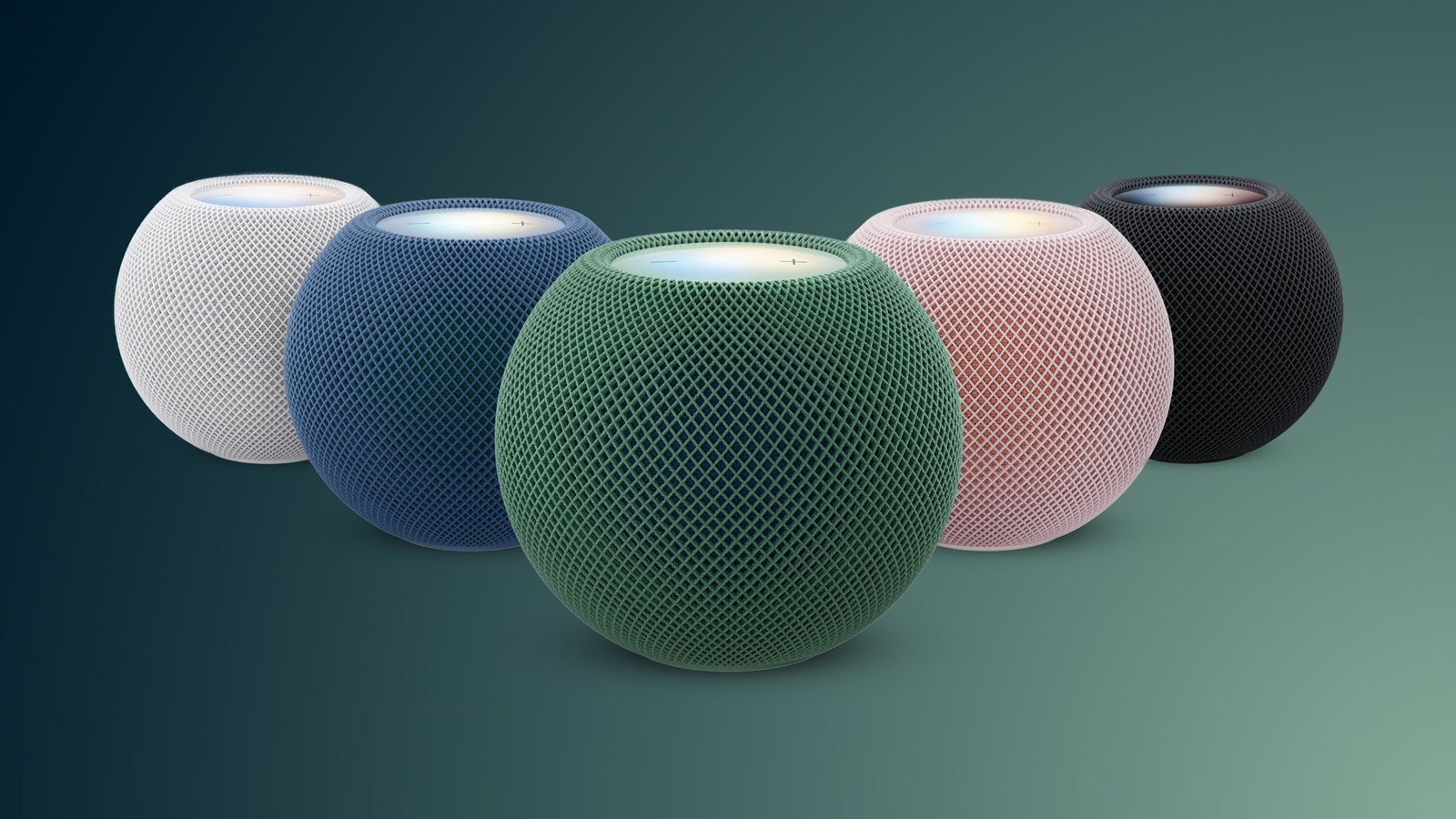
Architectural Advancements in the HomePod mini 2
The recent release of the HomePod mini 2 marks a significant milestone in Apple’s smart home strategy. While the external aesthetics maintain a familiar profile, the internal architecture has undergone a noteworthy transformation. Central to this update is the integration of the S10 chip, a processor previously reserved for the Apple Watch Series 10. Technical analysis has confirmed that this device features 2GB of RAM, supplied by SK Hynix. This memory allocation represents a strategic move to provide the necessary overhead for advanced on-device processing, ensuring that the hardware can handle modern computational demands without latency.
By aligning the HomePod mini 2’s silicon with the latest wearable technology, Apple has effectively bridged the gap between compact smart speakers and high-performance, intelligent home interfaces. The decision to include 2GB of memory—a specification not explicitly marketed in standard consumer tech sheets—highlights a commitment to future-proofing the device for upcoming software iterations and local processing tasks.
The Role of the S10 Chip in Computational Audio
The deployment of the S10 chip serves as the engine for the device’s improved audio performance. Computational audio relies on high-speed data processing to analyze the acoustic environment and adjust the output in real-time. With the S10’s architecture, the HomePod mini 2 can perform continuous monitoring of its surroundings, optimizing dynamic range and loudness profiles instantaneously.
This processing power is essential for maintaining acoustic fidelity regardless of the physical constraints of the hardware. As sound waves interact with walls and furniture, the chip executes algorithms that adjust frequency response, preventing distortion and maintaining clarity. This capability allows the device to manage complex audio tasks, such as delivering the new four-speaker surround sound experience, by managing the timing and phase of audio delivery with extreme precision.
Siri AI and On-Device Processing
Perhaps the most transformative inclusion in the HomePod mini 2 is its integration with Siri AI. The increased memory capacity directly supports the machine learning models required to run a more capable, responsive version of Siri. By shifting more of these operations from the cloud to the device, users can expect faster response times and improved privacy, as sensitive audio requests are processed locally whenever possible.
The 2GB of RAM is critical here, as modern artificial intelligence models require significant working memory to interpret intent, manage context, and execute multi-step commands. This hardware headroom ensures that even as Siri becomes more sophisticated with future updates, the HomePod mini 2 retains the ability to process these requests fluidly. This shift toward localized AI is a defining characteristic of the new generation of smart home hardware, reducing reliance on constant network communication for basic functional tasks.
Visual Interaction and the Sound Glow Feature
Beyond audio and intelligence, Apple has introduced the Sound Glow feature, which utilizes the top surface of the HomePod mini 2 as an interactive visual canvas. This feature leverages the S10 chip to synchronize light animations with the audio being played. This is not merely a cosmetic addition; it serves as a visual interface for user feedback, providing cues that indicate when Siri is listening, processing, or responding.
The precision required to map audio waveforms to the visual output in perfect synchronization demands low-latency processing. By utilizing the internal memory and the dedicated neural engine cores within the S10, the device ensures that these light displays are smooth and visually cohesive. This creates a more intuitive interaction model, allowing users to understand the internal state of the smart speaker through subtle, responsive light cues rather than relying solely on auditory feedback.
Future-Proofing the Smart Home Ecosystem
The HomePod mini 2 arrives alongside news of other upcoming products, such as the HomeView hub, signaling a broader push to modernize the smart home ecosystem. By equipping the mini-sized speaker with high-end internal components, Apple is positioning it as a foundational node within a larger, interconnected environment. The combination of the S10 chip and 2GB of RAM indicates that the company is moving toward a standard where even compact devices perform complex orchestration roles within a home network.
The impact of this update is twofold: it provides a tangible improvement in audio quality and responsiveness for the average user, while simultaneously providing developers and the platform with a stable, high-performance base to build upon. As more “smart” functionality is migrated to the edge of the network, the hardware specifications of devices like the HomePod mini 2 will play an increasingly vital role in maintaining performance standards. For consumers, this represents an investment in a device capable of evolving through software updates, ensuring that the hardware remains relevant as the ecosystem grows in complexity and capability.
Disclaimer: This content is auto-generated for informational purposes only.
Source: Read Original News