






India’s High-Stakes Bet: Can New Delhi Secure a Place in the Global Chip Race?
India is currently positioning itself to become a pivotal node in the global semiconductor supply chain, a move that promises to generate thousands of high-skilled jobs and fundamentally reshape the nation’s technology landscape. By aiming to reduce the world’s heavy reliance on Chinese manufacturing, the Indian government is looking to secure its strategic autonomy while deepening critical technology partnerships with the United States. However, the path to becoming a global semiconductor hub is fraught with historical failures and significant economic hurdles.
A Multi-Billion Dollar Ambition
The Modi administration has demonstrated unprecedented commitment to this sector, earmarking approximately $23 billion in federal subsidies to build a sustainable domestic ecosystem. This financial backing is being further bolstered by state-level incentives, creating a competitive environment for companies looking to set up manufacturing plants.
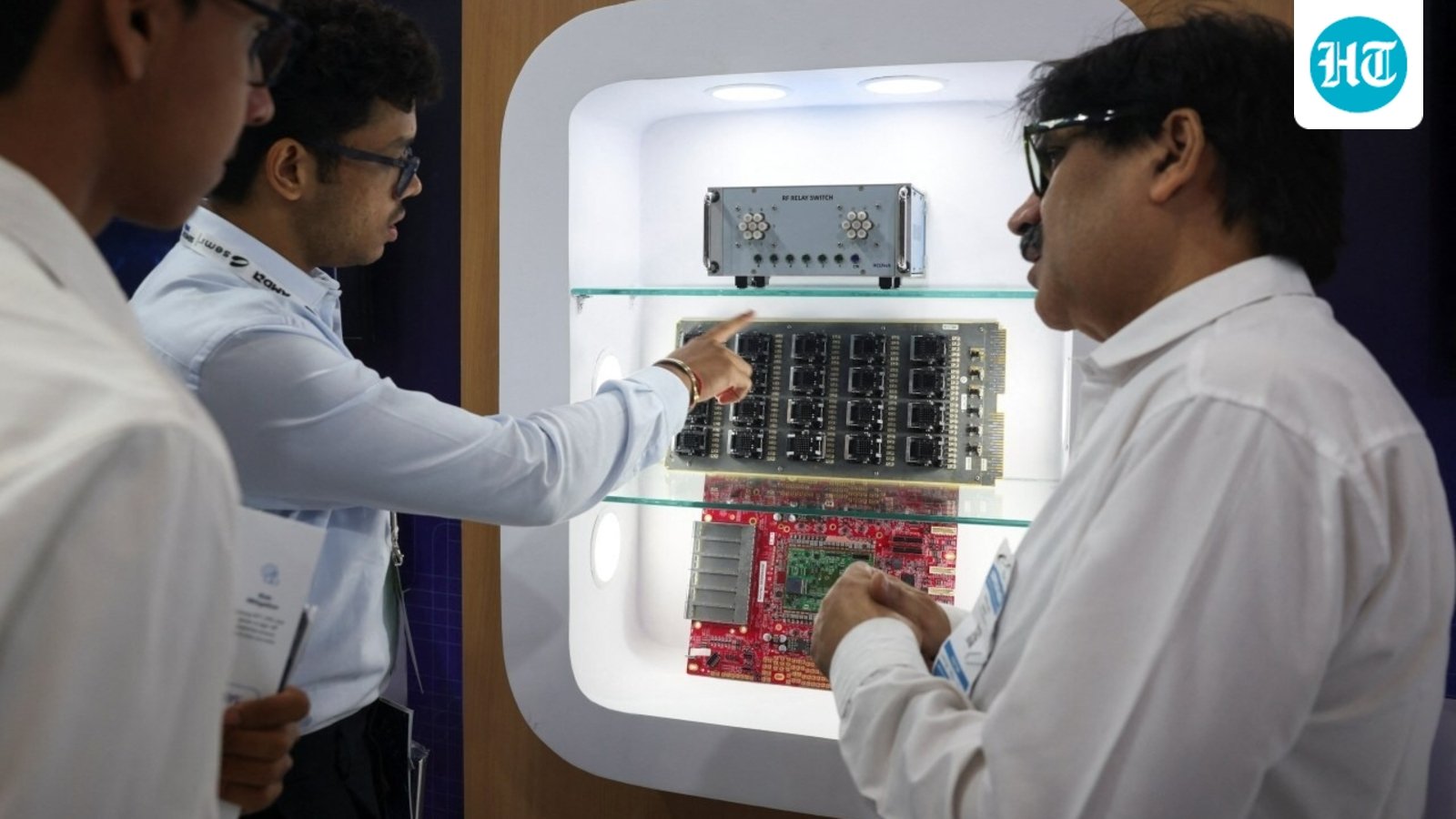
The strategy focuses on compressing decades of industrial evolution into just a few years. Notable milestones are already emerging: a major wafer fabrication facility in Gujarat is slated to become operational by 2028, while assembly and testing units in Assam and Gujarat are either already active or nearing the start of commercial production. Industry analysts note that India’s vast pool of chip design talent and its proximity to Silicon Valley’s innovation networks provide a unique competitive advantage over smaller manufacturing hubs in Southeast Asia.
Learning from Past Setbacks
Despite the current optimism, skeptics point to a long history of thwarted semiconductor dreams. Since the 1950s, India’s attempts to establish a robust electronics sector have frequently lost steam. High-profile projects, such as the ambitious $500 million chip initiative near Hyderabad in 2006, collapsed before they could break ground.
Experts often attribute these historical failures to a challenging business environment, characterized by fluctuating tax policies, bureaucratic bottlenecks, and inadequate infrastructure. Analysts Pranay Kotasthane and Abhiram Manchi, in their study of the industry, highlight that high trade barriers have historically rendered chip fabrication an unappealing venture within India.
The Strategy of Pragmatism
Recognizing these structural challenges, the government is adopting a pragmatic, phased approach. Unlike the high-stakes race for cutting-edge, nano-scale chips that dominate the U.S.-China rivalry, India is initially focusing on “legacy” technology. The $11 billion Tata Electronics plant in Gujarat, for instance, will produce 90-nanometer chips—components essential for automobiles, smartphones, and power-management systems.
This incremental strategy—prioritizing assembly and testing over the immediate pursuit of the most complex, hardest-to-manufacture chips—mirrors the successful growth seen in Tamil Nadu’s mobile phone assembly sector. By fostering a foundational industry, policymakers hope to build the technical infrastructure necessary for more complex manufacturing down the line.
A Geopolitical and Economic Pivot
For the United States, a successful Indian semiconductor industry offers a vital alternative to the current regional concentration in East Asia. As Washington seeks to “de-risk” its supply chains, India stands out as a natural, albeit challenging, partner.
Ultimately, the success of this mission depends on whether the government can provide the long-term policy consistency that the capital-intensive chip industry demands. If Prime Minister Modi and his technology team, led by Minister Ashwini Vaishnaw, can foster a predictable, investor-friendly climate, the initiative will transcend the semiconductor industry, signaling a permanent modernization of India’s economic governance. If they fail, however, the project risks becoming another cautionary tale of fiscal overreach. For now, the world is watching to see if India’s ambition can finally be matched by execution.
Disclaimer: This content is auto-generated for informational purposes only.
Source: Read Original News