







The Evolution of Game Mechanics in Remastered Titles
The recent release of the remastered version of The Legend of Zelda: Ocarina of Time for the next-generation Nintendo console has brought a fresh perspective on a classic title. Beyond the graphical fidelity and updated frame rates, players are discovering that the developers have implemented subtle shifts in gameplay logic. While these adjustments often go unnoticed by casual observers, they represent a significant change in how game designers approach legacy mechanics in modern hardware environments.
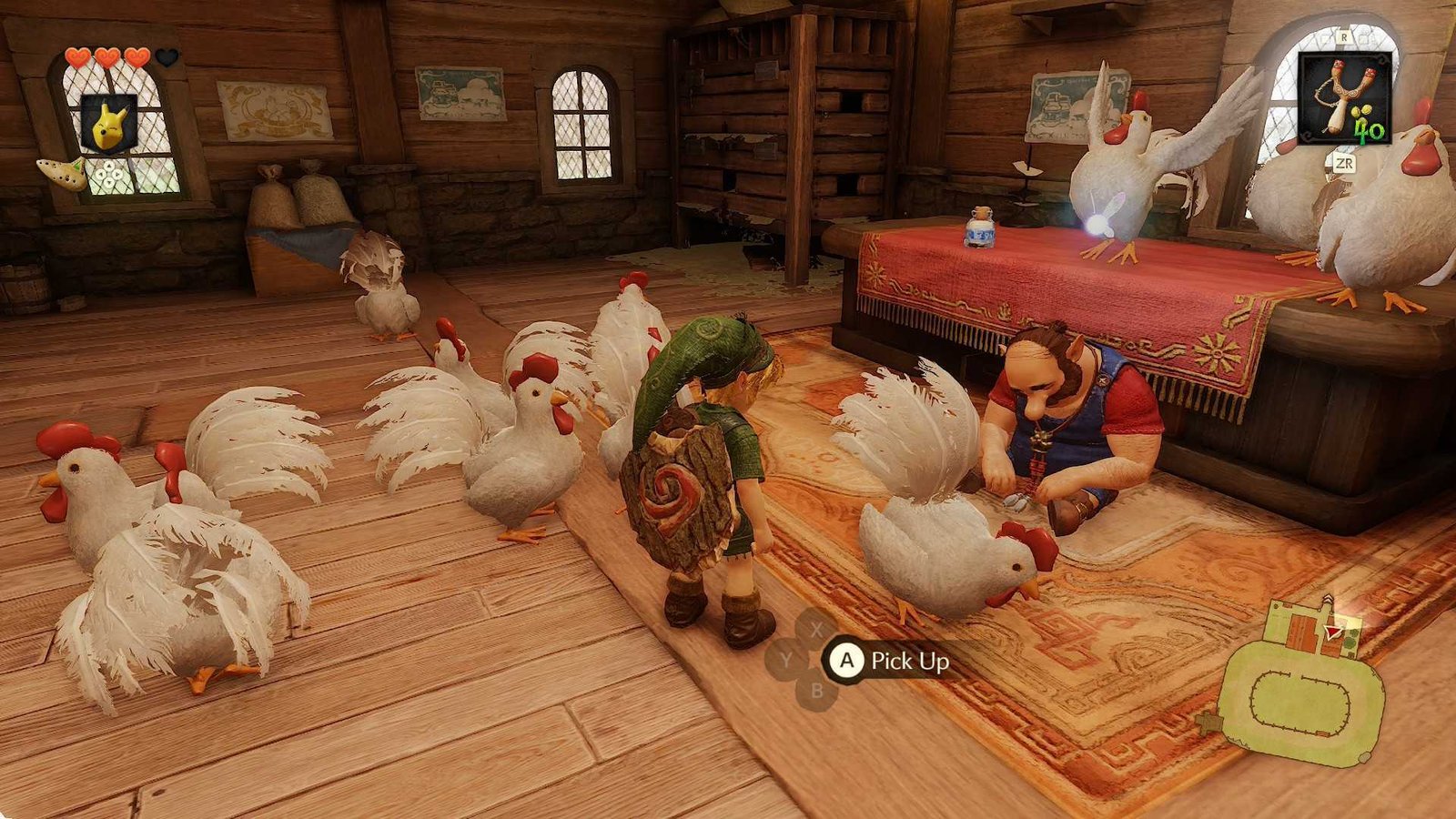
In original software development, what users frequently call “exploits” or “cheats” were often the result of hardware limitations or unoptimized collision detection. In the contemporary remastering process, developers must decide whether to preserve these legacy bugs—which have become part of the game’s cultural identity—or to refine them to fit the polished experience of a modern release. The removal of the Lon Lon Ranch Cucco-herding strategy serves as a prime example of this deliberate intervention.
Patched Logic: Addressing Legacy Exploits
In the original iteration of Ocarina of Time, the Cucco minigame at Lon Lon Ranch was famously susceptible to manipulation. Players could manually relocate the non-target chickens into a corner behind the proprietor, Talon, before the timer began. By isolating the environment, users effectively removed the random element, making the target Cuccos the only ones available in the play area. This strategy essentially bypassed the intended challenge of the game.
The remastered version employs a more sophisticated approach to state management. When the player initiates the minigame, the software triggers a procedural shuffle script. This script resets the coordinates of every entity in the room, effectively nullifying any pre-game preparations. Furthermore, the collision physics for the interior environment have been reworked. Objects that were once static or easy to trap against geometry now feature improved pathfinding or reset triggers that prevent them from being stuck. This shift reflects a move toward more rigid, predictable gameplay loops that align with modern design standards.
Enhanced Control Schematics and Game Flow
One significant factor that justifies the removal of these exploits is the improvement in input sensitivity and character movement. The Switch 2 hardware allows for much higher polling rates, meaning the connection between the player’s inputs and the game engine is more responsive than it was on the Nintendo 64. Because moving, picking up, and tossing items is significantly more fluid, the need for shortcuts to complete a minigame is greatly reduced.
By tightening the controls, the developers have ensured that the minigame is balanced around skill and speed rather than circumventing the systems via manual manipulation. The user interface feedback during these mini-challenges is more immediate, providing players with clearer indicators of success. This demonstrates a core principle in modern game development: if you improve the core mechanics to be more satisfying, players are less incentivized to seek out bugs to bypass content.
Retention of Organic Gameplay Features
Interestingly, not every legacy behavior has been removed. The development team has made a clear distinction between exploits that break game progression and quirky, “emergent” gameplay features that add flavor to the world. A notable example is the interaction between the Deku stick and butterflies. Striking a butterfly with the stick transforms the insect into a fairy, which can be captured for healing.
Because this interaction is a low-impact, discovery-based feature rather than a way to trivialize a challenge, it has been preserved in the new build. This indicates a design philosophy focused on preserving the “secrets” that rewarded attentive players in the original version. By keeping these elements, the remaster retains a sense of discovery that original fans recognize, while ensuring that the primary gameplay systems—such as the chest guessing game and certain dungeon sequences—still offer a balanced level of difficulty.
Technical Implications for Future Remasters
The changes observed in Ocarina of Time highlight a growing trend in software engineering for games: the shift toward intentional engine-level correction. Developers are no longer just porting code; they are analyzing the intended versus unintended outcomes of the original source material. By utilizing high-speed processors, they can implement event listeners that detect specific player behaviors and trigger corrective actions, such as resetting the positions of non-player characters or objects.
This methodology has significant implications for future industry projects. As companies revisit their back catalogs, they must navigate the delicate line between “faithful recreation” and “modern optimization.” If a game relies on technical debt—code that performs in unexpected ways due to legacy hardware—the remastering team faces the choice of either stabilizing that code or rebuilding the interaction entirely. In this instance, the developer has chosen a hybrid path, eliminating game-breaking shortcuts while maintaining the organic, discovery-based interactions that define the player experience.
Ultimately, this remaster shows that modernizing a classic is not just about visual aesthetics. It is about refining the logic of the virtual environment to support a more stable, responsive, and curated experience. While some players may miss the ability to manipulate the Cucco minigame, the overall result is a more consistent journey through Hyrule that honors the spirit of the original while embracing the precision of modern hardware.
Disclaimer: This content is auto-generated for informational purposes only.
Source: Read Original News