








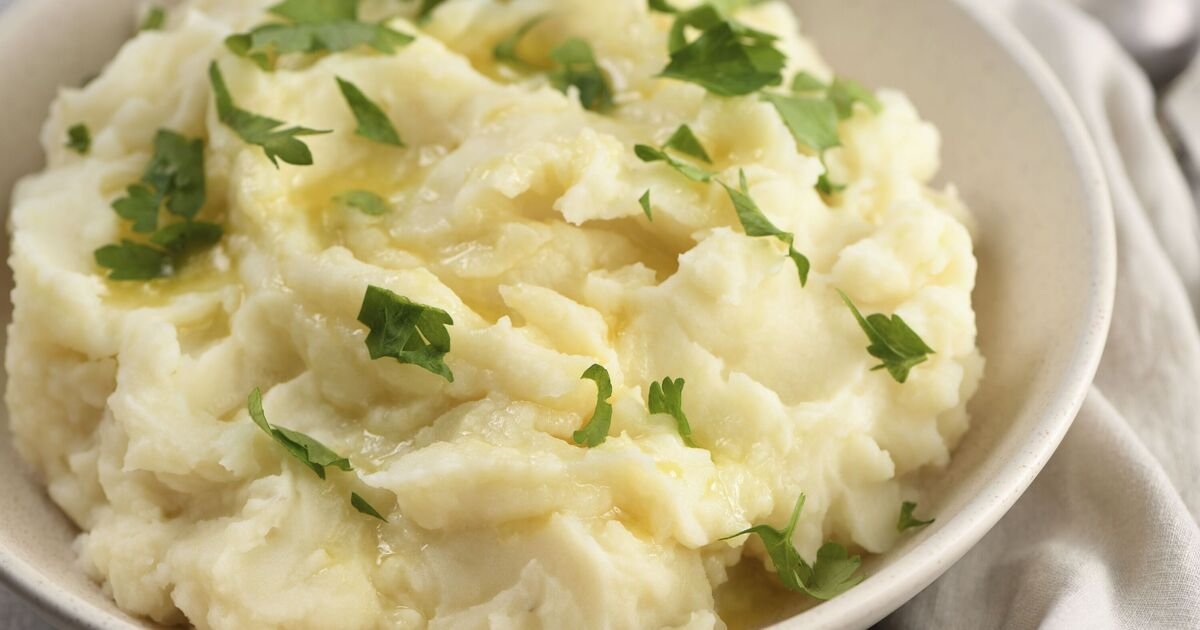
Mashed potatoes are the ultimate comfort food. Whether you are serving them alongside a Sunday roast or using them as a base for a hearty dinner, few things hit the spot quite like a bowl of creamy, buttery spuds. Yet, many home cooks struggle to move past the lumpy or gluey textures that often haunt our kitchens. If your mash has been missing the mark, it might be time to rethink your process from the ground up.
Choose Your Potato Wisely
The most common mistake happens before you even pick up a peeler. Not all potatoes are created equal, and their internal makeup determines how they behave in the pot. The key is to look at the starch content.
Starchy potatoes are the gold standard for a fluffy finish. When boiled, their starch granules swell and separate, leading to a light texture that practically melts in your mouth. In North America, the russet is the go-to for this purpose. If you are shopping in the UK, look for varieties like Maris Pipers, King Edwards, or Vivaldi. These are your best friends when aiming for a cloud-like consistency.
On the other end of the spectrum are the waxy varieties, such as Jersey Royals or Charlottes. These stay firm and hold their shape even after extended boiling. If you try to mash these, you will likely end up with a heavy, sticky paste rather than a light puree. Save these types for roasting or boiling in salads where you actually want them to stay intact.
The Science of Starch
If you have ever wondered why your potatoes turn into a gummy mess, it usually comes down to overworking the starch. When you use too much force or keep mashing long after the lumps are gone, you release too much starch into the mixture. This turns a delicate side dish into something closer to wallpaper paste.
By starting with a naturally starchy variety, you allow the potato cells to break down easily on their own. This means you do not have to battle with the vegetable to get it smooth. The less work you do, the lighter and more refined the finished product will be.
Ditch the Masher for a Better Texture
Most of us grew up watching parents wrestle with a standard hand masher, but modern culinary experts suggest there is a superior way to achieve the perfect texture. The manual masher often requires excessive effort, increasing the likelihood that you will overwork the potatoes and ruin their structure.
Instead, reach for a kitchen sieve. By pushing your cooked potatoes through the fine mesh of a sieve with a spatula, you create a perfectly smooth, silky mash without any effort at all. It might feel like an extra step, but the result is a professional, restaurant-quality consistency that a traditional masher simply cannot replicate.
If you happen to have a potato ricer in your drawer, that is a fantastic second choice. Think of it as a oversized garlic press for your vegetables. It forces the potato through small holes, ensuring every morsel is uniform and completely lump-free. Both the sieve and the ricer prevent that heavy, gluey fate, keeping your mash light and airy.
Refining Your Technique
Once you have your starchy potatoes and your tool of choice, the final touch is all about patience and quality ingredients. When your potatoes are perfectly tender, drain them thoroughly. Moisture is the enemy of a good mash, so let the steam evaporate for a minute or two before adding your butter or cream.
Adding cold butter can shock the potatoes, so consider warming your dairy before incorporating it. Fold it in gently rather than beating the mixture aggressively. By treating your potatoes with care and picking the right variety from the start, you will transform a basic staple into the highlight of your meal. It is a simple shift in habit that makes a world of difference on the dinner table.
Disclaimer: This content is auto-generated for informational purposes only.
Source: Read Original News