





India Stresses ‘Bipartisan’ Ties Amidst US Midterm Shift
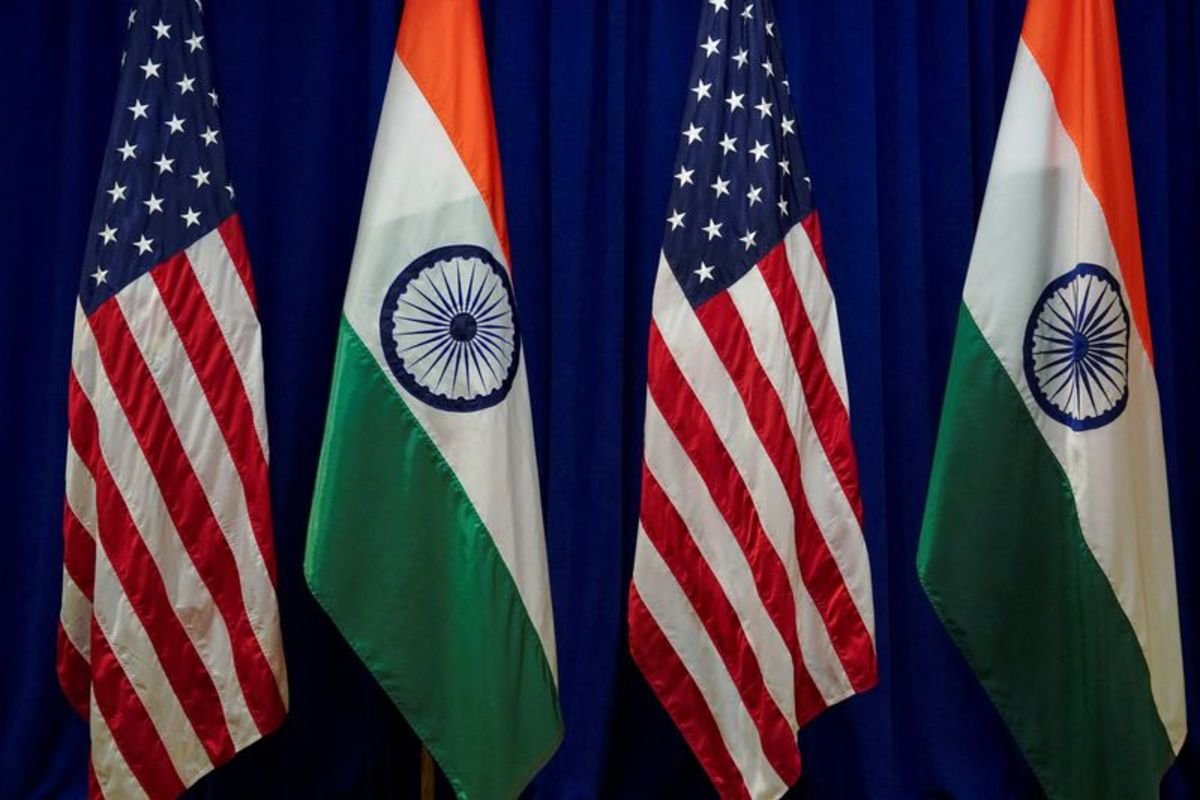
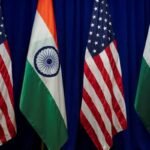
New Delhi has maintained a posture of diplomatic restraint following the decisive outcome of the United States midterm elections, which saw the Democratic Party secure control of both houses of Congress. The results, widely interpreted as a significant political setback for President Donald Trump, mark a potential turning point in American domestic policy.
Responding to the election results on Tuesday, External Affairs Ministry (MEA) spokesperson Randhir Jaiswal declined to comment on the internal political dynamics of the US. Instead, he emphasized the enduring nature of the India-US relationship. “The midterm elections are an internal matter of the US,” Jaiswal stated. “We underline that the India-United States relationship enjoys strong bipartisan support across the political aisle, and we continue to work to further strengthen our Comprehensive Global Strategic Partnership.”
Navigating a Complex Bilateral Relationship
The midterms arrive at a time when Indo-US relations have faced notable headwinds. Over the past two years, the two nations have navigated significant friction regarding trade policies, tariff disputes, visa regulations, and concerns over deportations. Additionally, India has remained wary of the shifting US diplomatic landscape, particularly regarding Washington’s evolving ties with Pakistan’s military establishment.
Adding to the diplomatic strain are the persistent criticisms emanating from the United States Commission on International Religious Freedom (USCIRF). Recently, the commission’s leadership issued statements calling for the US government to link security assistance to India’s management of religious violence—a narrative New Delhi has vehemently rejected.
Spokesperson Jaiswal dismissed the USCIRF’s recent remarks, labeling the commission a “biased and ill-informed organization” with a clear political agenda. He argued that the commission maintains a selective silence regarding hate crimes and racial abuse against the Indian diaspora in the United States, suggesting that its prejudiced stance renders its recommendations unreliable.
Lobbying and Legal Challenges
As the geopolitical landscape becomes more complex, India has taken proactive steps to ensure its interests remain a priority in Washington. Recent disclosures under the US Foreign Agents Registration Act (FARA) highlight that Indian officials have utilized lobbying firms, such as SHW Partners LLC, to maintain consistent channels of communication with the White House and Congressional leaders.
The MEA has defended these engagements as standard diplomatic practice, noting that India has employed lobby firms in Washington D.C. since 1948. “It is a normal practice for diplomatic missions to engage firms to facilitate outreach and engagement with the US Administration and other relevant stakeholders,” Jaiswal explained, asserting that these activities are conducted in full compliance with US law and are publicly transparent.
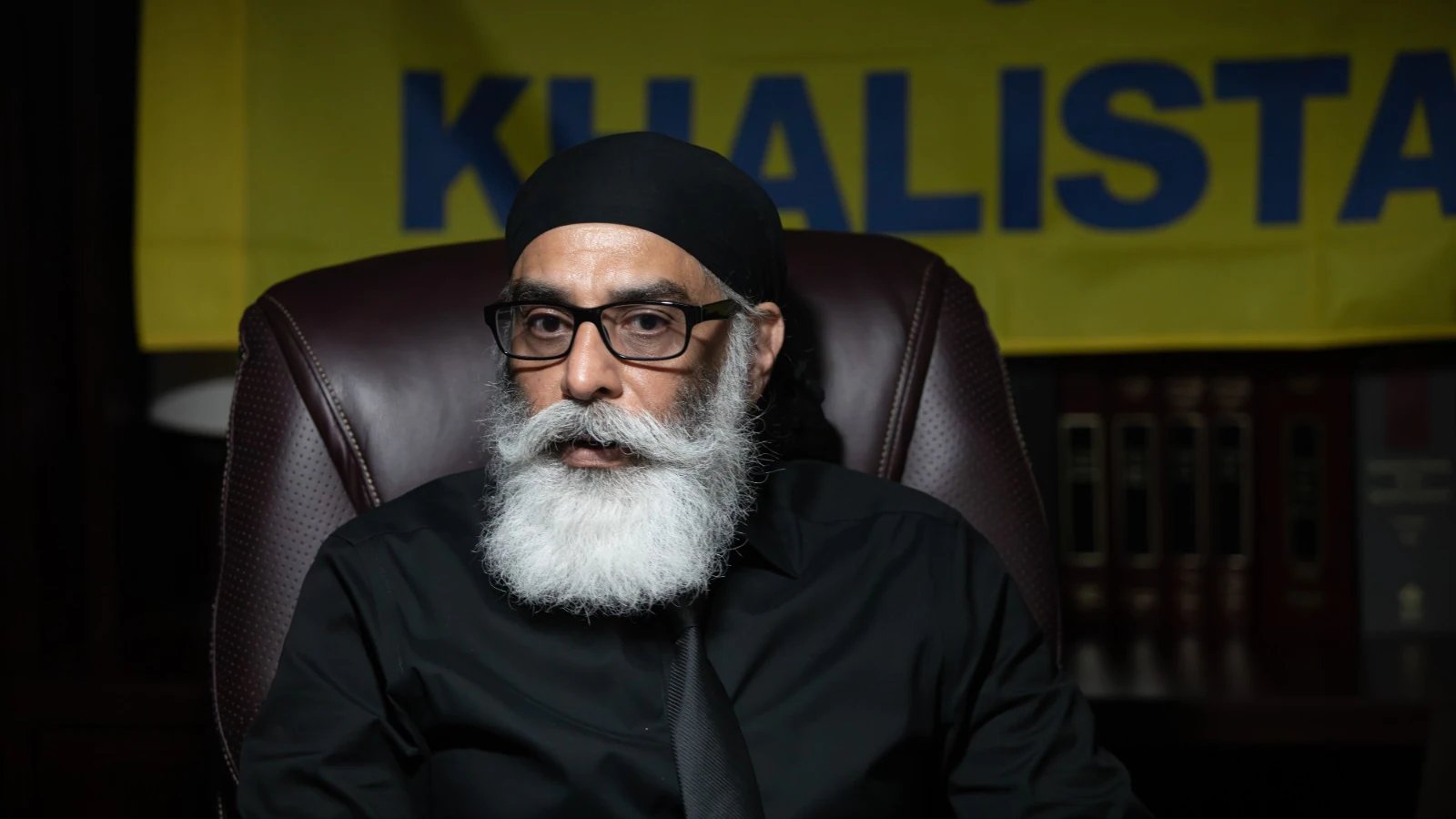
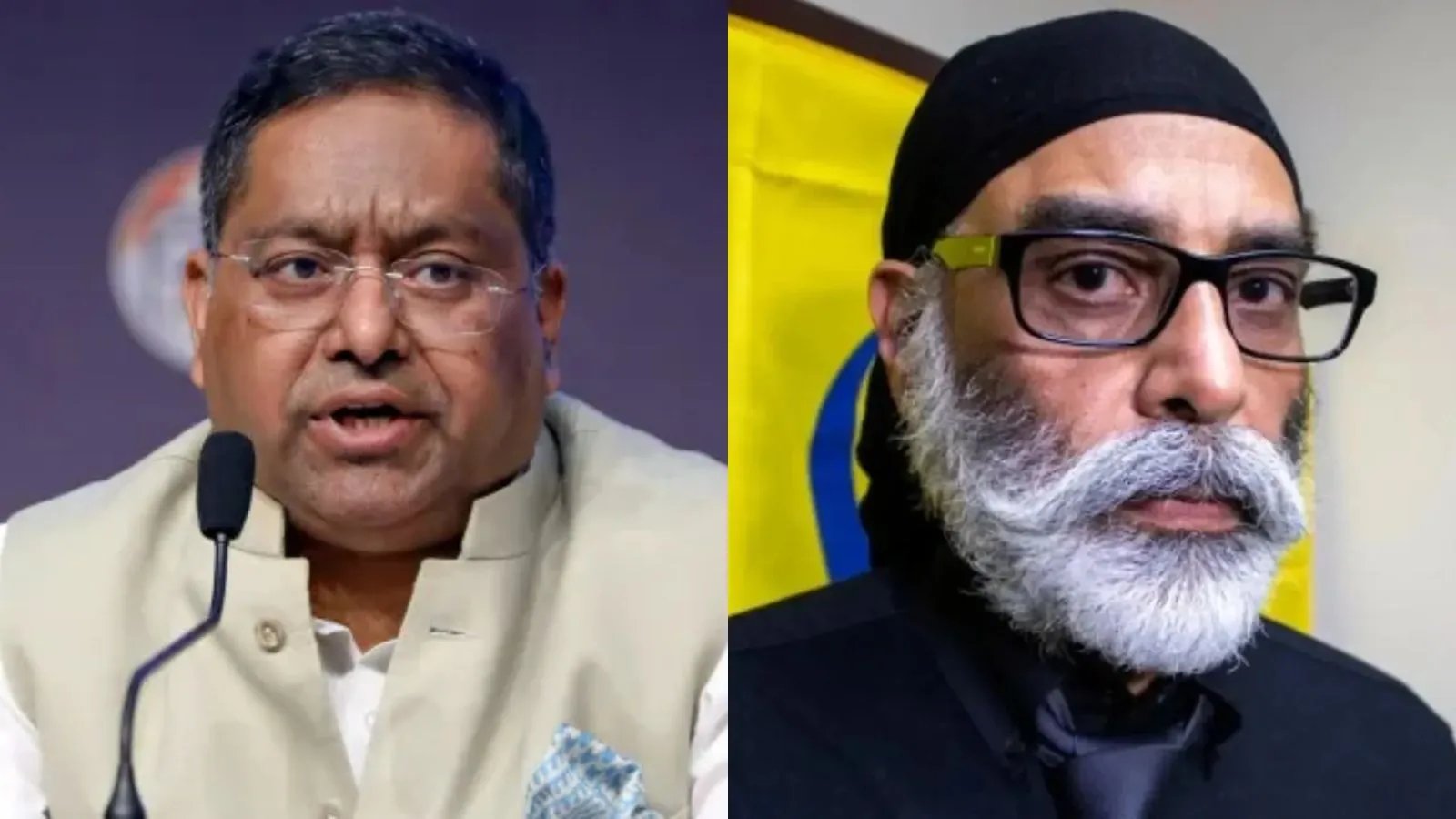
Simultaneously, the Indian government has rebuffed legal efforts by Khalistani extremist Gurpatwant Singh Pannun, who has filed a civil lawsuit against Indian officials in the US. A New York district court recently allowed Pannun to pursue the service of summons against National Security Adviser Ajit Doval and the former head of the Research and Analysis Wing (R&AW), Samant Goel.
New Delhi has categorically rejected the litigation. “We reject the fabricated and malicious attacks on our high officials,” the MEA spokesperson said, clarifying that any request for the service of judicial documents must be routed through the proper channels, specifically India’s Ministry of Law and Justice.
As the dust settles on the US midterms, India’s focus remains on insulating its strategic partnership from temporary political shifts, ensuring that the long-term objectives of the bilateral relationship take precedence over emerging legal and rhetorical challenges.
Disclaimer: This content is auto-generated for informational purposes only.
Source: Read Original News