






At the 8th Annual State of the Water event in Miami on October 15, 2026, marine scientist Dr. Ross Cunning was honored with the Porter Prize, a prestigious recognition named after conservation champion Jim Porter. The award celebrates individuals who demonstrate an unwavering commitment to the stewardship of South Florida’s watershed, a region currently grappling with the dual pressures of industrial development and climate change.
For over a decade, Dr. Cunning has been a cornerstone of marine research in Florida, meticulously documenting the resilience and decline of coral populations. His work has been particularly vital in providing the scientific bedrock necessary to challenge large-scale maritime infrastructure projects that threaten sensitive marine habitats.
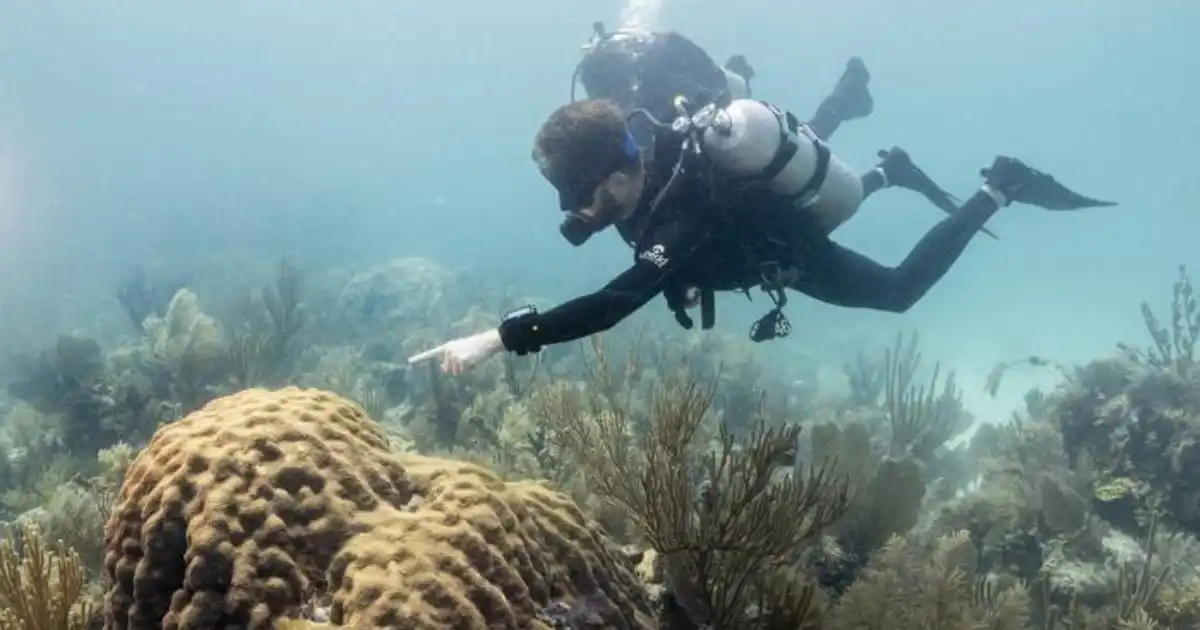
The impetus for this year’s award lies largely in Cunning’s pivotal work concerning the Port Everglades dredging project. When plans were proposed to widen the channel to accommodate larger cruise and container ships, Cunning and his research partners recognized an urgent need to quantify the biological cost of such an endeavor. Through exhaustive underwater surveys, the team identified, counted, and measured the corals in the path of the proposed dredging. The findings were staggering: an estimated 10 million corals, including tens of thousands of individuals protected under the Endangered Species Act, occupied the area.
This data served as the scientific centerpiece for a years-long campaign spearheaded by the nonprofit Miami Waterkeeper. By providing empirical evidence of the ecological devastation the project would invite, the advocacy group was able to build a compelling case against the development. In April 2026, those efforts reached a historic milestone when the permit application for the dredging was formally withdrawn, marking a rare and significant victory for environmental conservation.
“Every decision should be rooted in science, and I’m so grateful that my research can serve as an example of turning evidence into action to protect our blue planet,” Dr. Cunning said during the ceremony. “There are enormous challenges ahead for coral reefs, and while we can’t completely spare them from every threat, we can act on the threats within our control. This victory shows that those actions matter, and it gives me hope for the future.”
Cunning’s advocacy is deeply informed by the lessons of the past. Following the completion of the Port of Miami dredging project in 2015, Cunning was part of a research team that conducted a post-mortem analysis of the surrounding reef. Their data revealed a catastrophic loss of over 500,000 corals—nearly 80 times the amount projected by official estimates. This stark discrepancy galvanized the scientific community, ensuring that such an oversight would not be repeated at Port Everglades.
Dr. Rachel Silverstein, CEO of Miami Waterkeeper, emphasized the impact of Cunning’s methodology. “Ross Cunning’s research shows what an advocacy campaign backed by science can do. It can tell us what is beneath the surface and reveal what is worth protecting,” she said. “Ross has consistently played a critical role in our efforts to protect what’s left of Florida’s coral reef.”
Beyond his advocacy work, Cunning continues to push the frontiers of coral restoration. As a researcher at the Shedd Aquarium, he is investigating the genetic and ecological traits that allow specific corals to withstand heat stress. Using the aquarium’s specialized research vessel, the Coral Reef II, Cunning and his colleagues conduct field experiments to identify heat-tolerant strains. This research is instrumental in developing strategies for active reef repopulation, providing a proactive approach to survival as global ocean temperatures continue to rise.
By bridging the gap between rigorous biological assessment and public policy, Dr. Cunning’s work serves as a blueprint for marine conservation in an era of rapid environmental change. His recognition with the Porter Prize underscores the growing necessity of science-based advocacy in safeguarding the world’s most vulnerable marine ecosystems.
Disclaimer: This content is auto-generated for informational purposes only.
Source: Read Original News