








A cascade of high-profile technical outages has rattled the nation over the past week, disrupting critical sectors ranging from national security and commercial aviation to global banking and corporate communications. While the rapid succession of failures has fueled public speculation regarding potential cyber-warfare or malicious interference, top Trump administration officials are firmly pushing back, insisting there is no evidence of a coordinated cyberattack.
The disruptions began on Thursday, Nov. 12, with a global outage of Microsoft 365 services, including Outlook. Microsoft clarified that the issue was the result of a botched internal technical update rather than an outside actor.
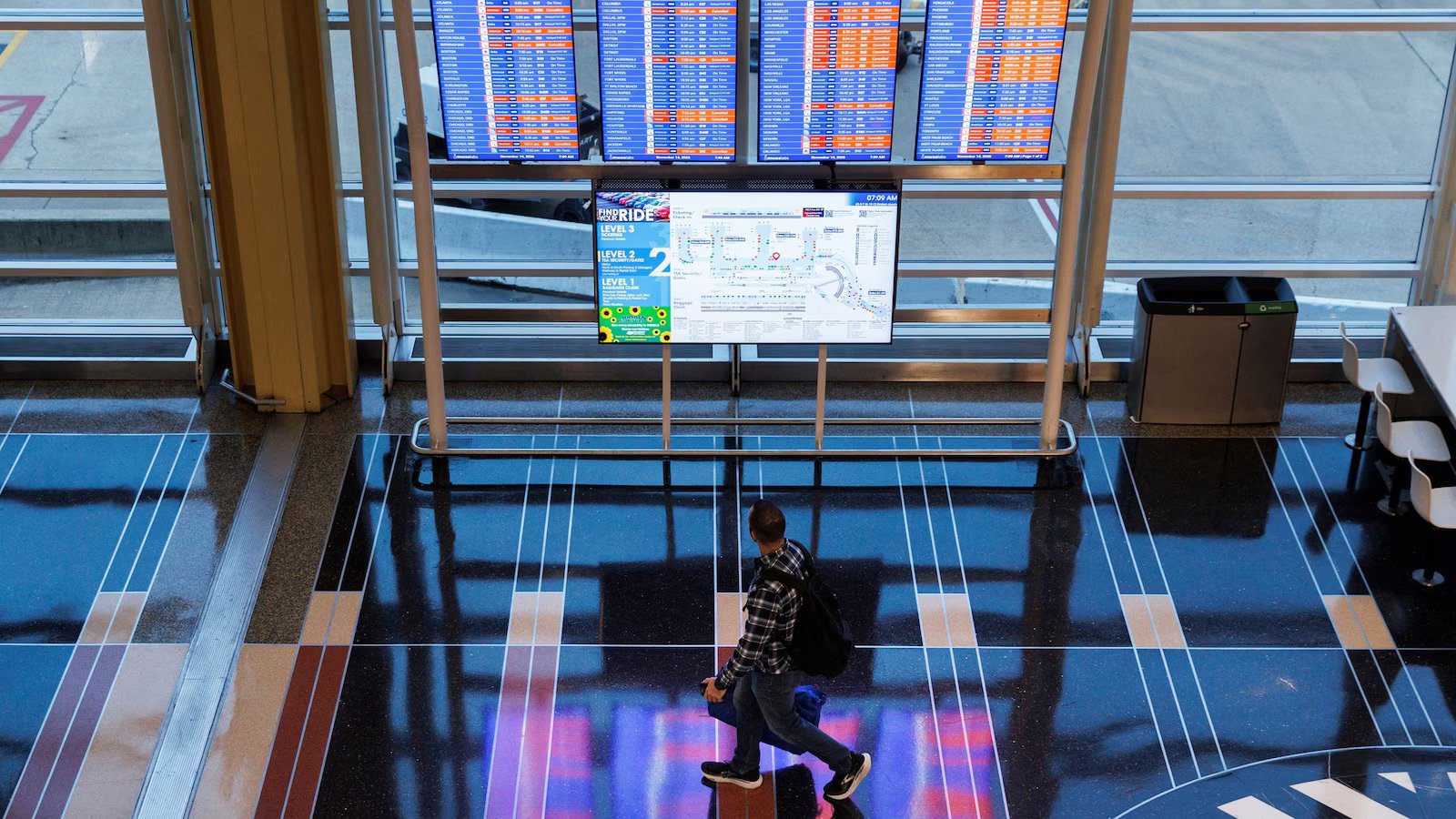
The situation escalated dramatically on Friday, Nov. 13, when the Federal Aviation Administration (FAA) issued a historic nationwide ground stop for all U.S. flights—an event not seen since the aftermath of the Sept. 11 attacks. Officials later attributed the collapse to a routine infrastructure upgrade at an Arkansas facility, where the replacement of copper wiring with fiber optic cables overwhelmed an aging system with a massive surge of data. FAA Administrator Bryan Bedford stressed that there was “zero evidence of anything nefarious.”
As the week progressed into Monday and Tuesday, the technical instability appeared to migrate across industries. JPMorgan Chase, the nation’s largest bank, reported internal software bugs that triggered delays for online banking users across several major financial institutions. Simultaneously, United Airlines faced a system-wide disruption that grounded flights and crippled crew communication apps. By Tuesday, the issues reached high-stakes federal infrastructure, with the National Security Agency (NSA) confirming a “temporary degradation” in its classified internal communications network, which it blamed on routine maintenance.
Consumer-facing services also felt the strain. Apple users reported widespread difficulties accessing iCloud, the App Store, and Apple Pay, while Marriott International experienced a temporary failure of its booking and mobile sign-in portals. In both instances, the companies cited internal technical errors and explicitly ruled out cybersecurity-related causes.
Despite these official explanations, the scope and timing of the incidents have placed immense pressure on the current administration. A bipartisan group of lawmakers has already begun pushing for answers, with Secretary of State Marco Rubio, Director of National Intelligence Jay Clayton, and Department of Homeland Security Secretary Markwayne Mullin leading the government’s response.
The administration maintains that the failures are coincidental, stemming from the fragility of interconnected legacy systems undergoing modernization. However, as the government continues its review of these disruptions, the public remains on edge, waiting to see if the streak of technical failures—which have paralyzed everything from the boarding gate to the halls of intelligence—has finally come to an end.
Disclaimer: This content is auto-generated for informational purposes only.
Source: Read Original News