





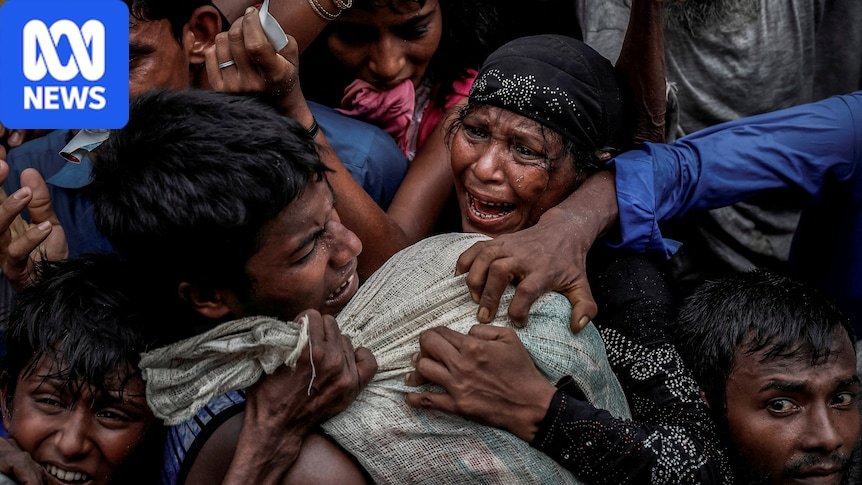
In a landmark decision that echoes through the annals of international law, the United Nations’ top court has formally ruled that the Myanmar military’s 2017 campaign against the Rohingya Muslim minority amounted to state-sponsored genocide.
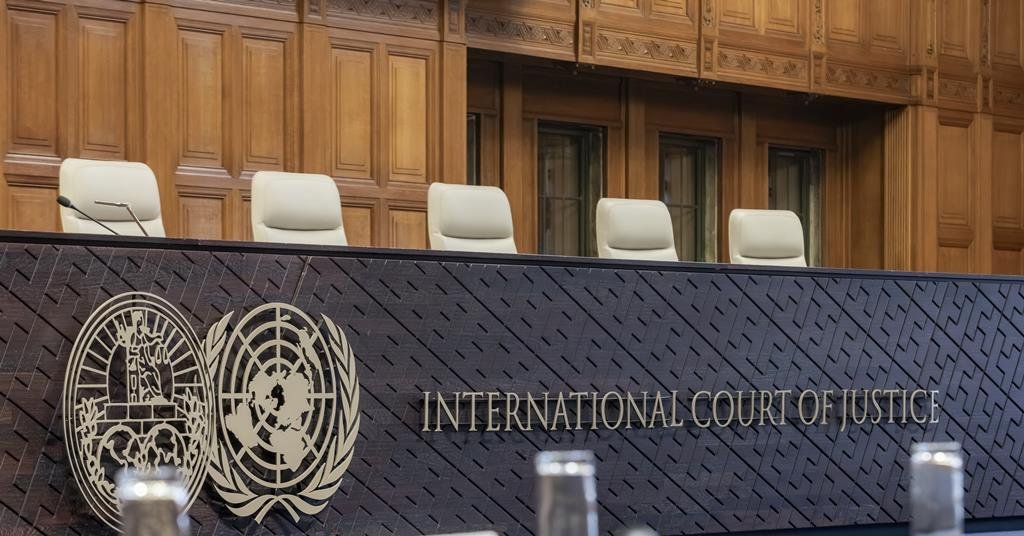
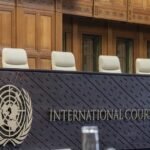
The International Court of Justice (ICJ) delivered its verdict seven years after the case was initiated by The Gambia, marking only the fourth time since the Nazi Holocaust that an international tribunal has reached the high legal threshold required to prove genocide. Notably, it is the first time the court has held a sovereign state directly responsible for such crimes.
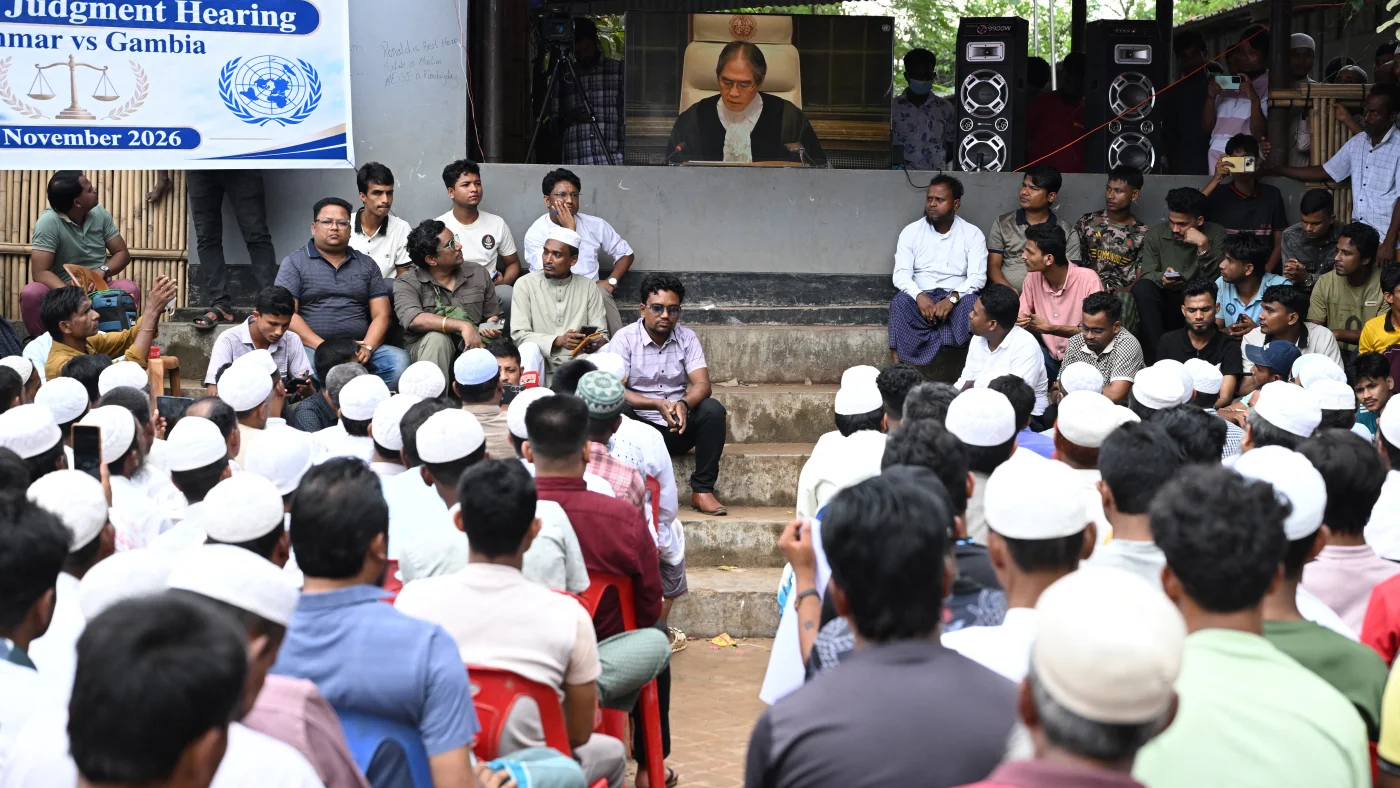
Presiding Judge Yuji Iwasawa delivered the stinging rebuke of Myanmar’s actions, confirming that the country’s security forces orchestrated the systemic killing of thousands of Rohingya civilians, engaged in widespread sexual violence, and targeted children with extreme brutality. “The court finds that the Republic of the Union of Myanmar has committed genocide against the Rohingya group in Northern Rakhine State,” the ruling stated.
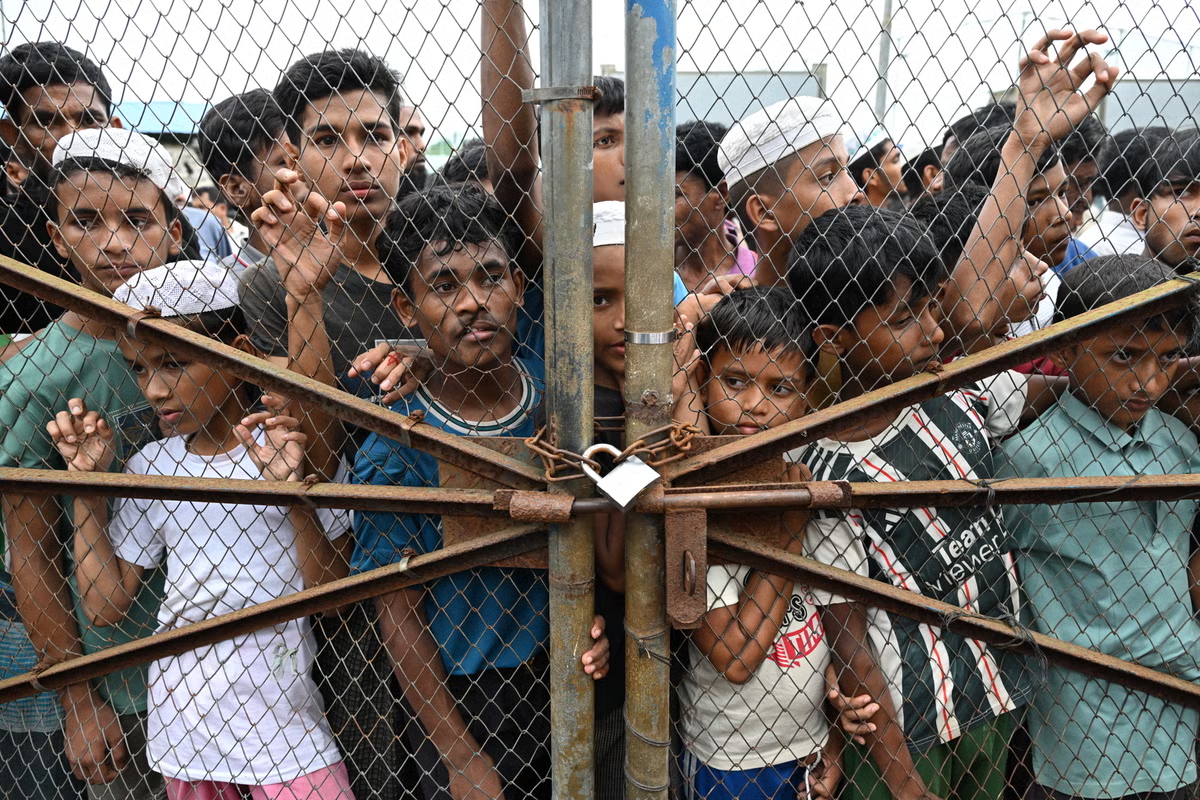
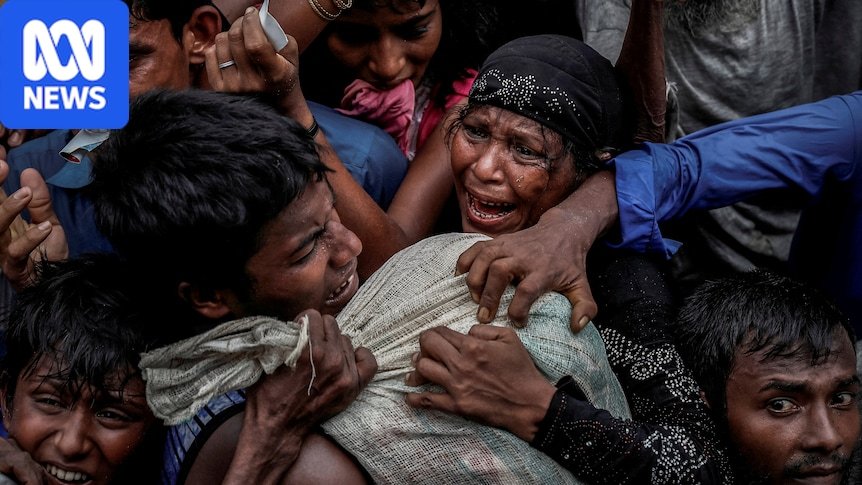
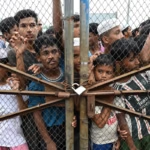
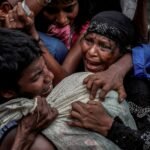
The legal proceedings centered on the military’s 2017 “clearance operations,” which were launched following attacks by Rohingya militants on government outposts. The subsequent crackdown resulted in the displacement of over 740,000 people who fled to neighboring Bangladesh. Survivors have long recounted a harrowing landscape of massacres, systematic gang rape, and the burning of entire villages.
During the hearings, the court heard chilling testimony regarding the scale of the violence. Experts and witnesses documented instances of mass execution and sexual violence so pervasive that investigators argued it served as undeniable evidence of an intent to destroy the group—the critical, and often hardest-to-prove, component of the definition of genocide.
Myanmar, represented during the initial stages of the trial by former leader Aung San Suu Kyi, had consistently rejected the allegations. The government maintained that the military campaign was a lawful counter-terrorism measure and dismissed reports of atrocities as “unsubstantiated narratives.”
While the ruling is a monumental vindication for the Rohingya, legal experts highlight a significant hurdle: enforcement. The ICJ is not a criminal court, meaning no individuals will face prison time as a direct result of this specific judgment. While the court ordered Myanmar to provide compensation and facilitate the safe, dignified return of refugees, its ability to force compliance is limited. If the junta refuses to act, the case could be escalated to the UN Security Council, where permanent members hold veto power, potentially stalling further action.
The ruling also carries profound geopolitical implications. It is widely viewed as a bellwether for the ongoing genocide case brought by South Africa against Israel regarding the war in Gaza. Observers suggest that the criteria used by the court to determine genocidal intent in the Myanmar case will inevitably shape the legal strategies and expectations surrounding the Middle East conflicts currently under review at The Hague.
For the million-plus refugees living in limbo across the globe, the ruling offers a glimmer of justice. “We have been waiting for decades to be recognized for our suffering,” said 24-year-old Nur Sadek, who has lived as a refugee since fleeing the violence. “The legal proceedings give me hope that the situation might change… so that we can go back someday.”
Disclaimer: This content is auto-generated for informational purposes only.
Source: Read Original News