








The winter months often tempt us to pack away our gardening gloves and retreat to the warmth of the living room, leaving the backyard to fend for itself until the first signs of spring. We tend to think of the vegetable patch as a place of rest, but if you have a patch of rhubarb, you are sitting on a secret ingredient that could transform your kitchen menu before the daffodils even bloom.
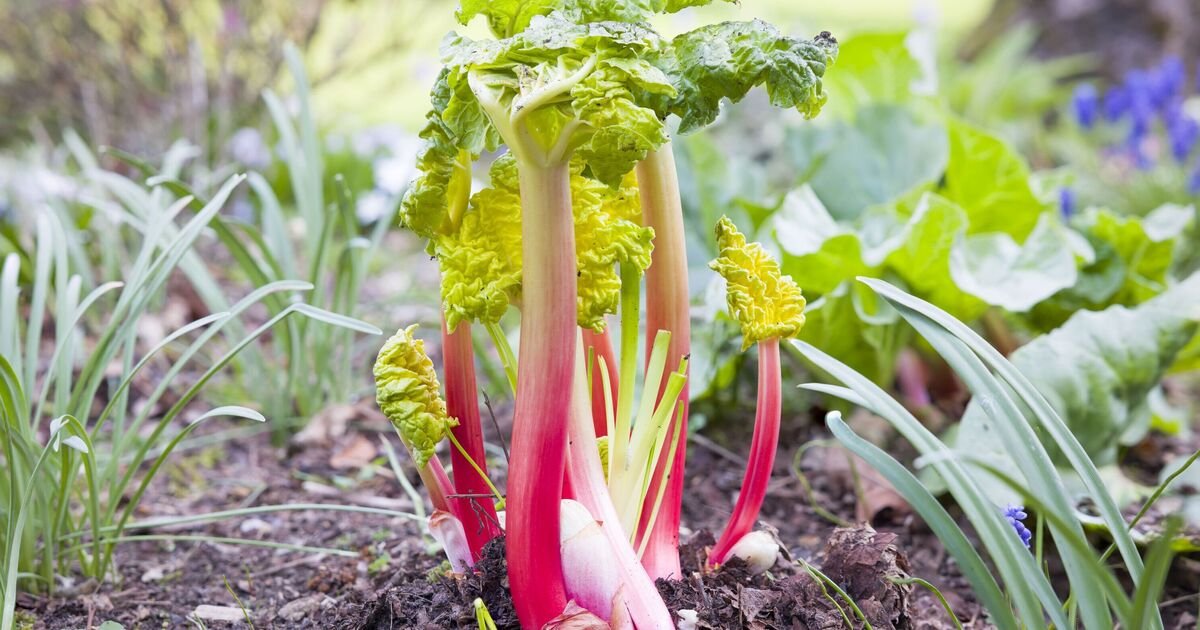
Forcing rhubarb is a time-honored tradition that sounds slightly mysterious but is actually one of the simplest ways to elevate your home gardening game. By depriving the plant of sunlight during its dormant stage, you can trick it into producing stems that are remarkably tender, pale pink, and far less acidic than those grown under the open sun.
Why Force Your Rhubarb?
Rhubarb is a botanical overachiever, but left to grow at its own pace, it can be a bit rugged. Outdoor stalks often develop a stringy texture and a sharp, bitey flavor that requires heaps of sugar to balance in a pie or crumble. When you block out the light, the plant stops photosynthesizing in the normal way. Without that light energy, the plant rushes to push its stored energy into the stems to reach for the surface. The result? Rapid growth, a delicate texture, and a naturally sweeter taste that requires far less sweetener when you finally get to the baking stage.
The Perfect Timing for Success
Timing is everything, but luckily, the window for this task is quite generous. You can begin the process anytime from December through March while the crown is in its winter slumber. The key is to start while the plant is dormant. If you wait until the stalks have already started pushing up naturally, you have missed the prime window. By starting now, you are effectively signaling to the plant that spring has arrived, allowing you to harvest stalks several weeks earlier than your neighbors who leave their patches uncovered.
Selecting and Preparing the Crown
Before you commit to the process, take a moment to assess the health of your plant. You want a mature crown, ideally at least two years old. Look for signs of strength—the crown should feel firm and look healthy, with tight, reddish-pink buds visible at the soil level. Clear away any debris, dead leaves, or stray stones from the area. This is also a perfect time to apply a generous mulch of compost or well-rotted manure around the base. This provides a slow-release boost of nutrients and adds an extra layer of insulation to keep the soil warm, which helps kickstart that rapid growth.
Creating the Perfect Darkroom
The most essential part of this technique is ensuring total darkness. You do not need a fancy, expensive ceramic forcing jar to get professional results. A tall, sturdy plastic bucket, an old metal trash can, or even a large, deep plant pot turned upside down will work perfectly. If your container has drainage holes at the top, be sure to cover them with a bit of duct tape or a heavy stone to prevent any light from leaking in. If you live in a particularly windy area, place a heavy brick on top of your container to keep it secure. The goal is to create a cozy, pitch-black space where the rhubarb can focus all its energy on vertical growth.
Patience and the Reward
Once your container is in place and insulated with a bit of soil or compost around the base, your work is essentially done. The magic happens in the dark over the next seven to eight weeks. Resist the urge to peek inside every few days; the less you disturb the environment, the better. When the time is right, you will see the stalks pressing against the top of your container, usually reaching lengths of 45 to 50 centimeters. Harvesting is simple: just give the stalks a gentle twist and a firm pull at the base. You will be rewarded with a harvest that looks professional and tastes like a bright, delicious promise of the spring to come.
Disclaimer: This content is auto-generated for informational purposes only.
Source: Read Original News