









For decades, the medical consensus has held that allergies are primarily disorders of the immune system, with bodily barriers breaking down as a secondary consequence of internal inflammation. However, a groundbreaking study from Griffith University challenges this sixty-year-old paradigm, suggesting that the root cause of the allergy epidemic may lie in a localized “power failure” within the body’s barrier cells.
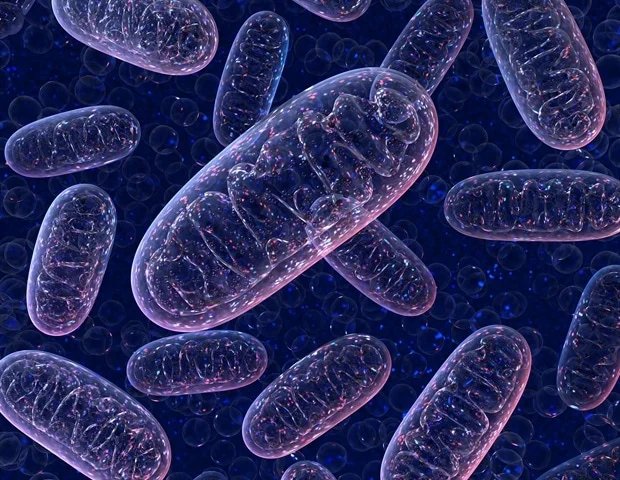
The research, led by Professor Peter Smith of Griffith’s School of Medicine and Dentistry, indicates that the epithelial cells lining the skin, gut, nose, lungs, and esophagus are struggling to meet the energy demands of the modern environment. When these cells suffer from mitochondrial dysfunction, they become hyper-sensitive, raising “false alarms” that trigger the immune response we recognize as an allergic reaction.
“For 60 years, we’ve taught that allergies start with the immune system and the barrier breaks as a consequence, but our work suggests it may be the other way around,” said Professor Smith. “The barrier cell can’t meet the energy and stress demands of the modern environment so it raises the alarm too easily, and the immune events we recognize as an allergy follow.”
The study, published in the journal Allergy, represents one of the most comprehensive investigations into the condition to date. The research team analyzed a massive multi-omic collection of data, encompassing 116 case-control cohorts and thousands of patients. By synthesizing this data, the researchers identified a common thread: the compromised bioenergetic capacity of epithelial cells.
This “outside-in” hypothesis offers a potential explanation for why allergies—ranging from eczema and food intolerances to asthma—have spiked significantly within a single generation. The researchers argue that various modern environmental stressors act upon a shared target: the energy capacity of these barrier cells. These triggers include high-consumption of processed diets, increased exposure to air pollution and microplastics, the use of harsh chemical detergents, the loss of dietary fiber, and early-life antibiotic use.
The evidence was particularly compelling in cases of eosinophilic esophagitis, a chronic allergic disease of the esophagus. In every one of the 13 independent patient cohorts analyzed, the cellular machinery responsible for clearing damaged mitochondria was found to be significantly reduced. Similarly, in patients with eczema, researchers identified changes to skin barrier defenses and antioxidant capacity even in areas of the skin that appeared clinically normal or non-inflamed.
While the signal was not uniform across all conditions—appearing absent in established asthma and nasal polyps—it provides a vital new roadmap for understanding why allergic conditions are so prone to relapse. According to co-author Associate Professor Nic West, a molecular immunologist at Griffith University, current pharmaceutical approaches fail because they address the downstream symptoms rather than the fundamental cellular deficit.
“Today’s drugs act downstream, so the disease often returns when treatment stops as they do not reach the root cause,” Dr. West explained. “Once inflammation is established, it damages the barrier further, creating a cycle that is difficult to break.”
The research team is cautious, describing their findings as a new, testable hypothesis rather than a settled mechanism or an immediate cure. Nevertheless, the discovery marks a significant shift in perspective for a field that has long struggled to account for the skyrocketing prevalence of allergies.
“We have spent our careers managing the smoke, and for the first time, we think we can see the fire, and it is not where everyone was looking,” Professor Smith said.
The next phase of this research is critical: the team plans to measure the mitochondrial health of barrier cells directly in infants before the onset of allergic disease. By moving from retrospective data analysis to prospective observation, scientists hope to determine if this bioenergetic failure is the primary driver that sets the stage for lifelong allergic conditions. The collaborative project, involving researchers from institutions in the U.S., Europe, and Asia, marks a potentially transformative step toward developing preventative strategies for one of the most persistent public health challenges of the 21st century.
Disclaimer: This content is auto-generated for informational purposes only.
Source: Read Original News