









The Intersection of Digital Pop Culture and Institutional Marketing
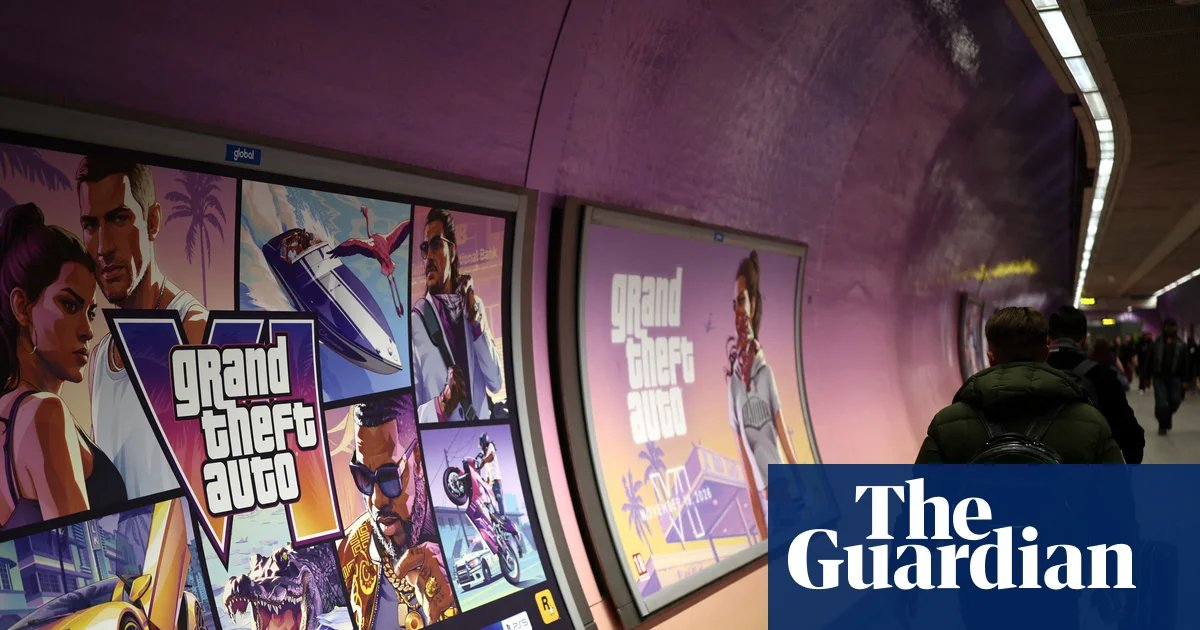
The release of Grand Theft Auto VI, the latest installment in a multi-decade franchise known for its satirical commentary on American life, has sparked a unique phenomenon in the realm of public sector communications. Despite the game’s reputation for portraying law enforcement as aggressive antagonists—often depicting them as corrupt entities prone to excessive force—police departments across North America have pivoted to utilize the game’s cultural momentum for recruitment and public safety messaging. This intersection represents an unusual convergence of high-fidelity interactive media and traditional institutional outreach.
By leveraging the visual identity and aesthetic language of the game, various law enforcement agencies are attempting to capture the attention of a demographic that might otherwise be detached from conventional recruitment advertisements. The core challenge for these agencies lies in bridging the gap between the chaotic, lawless nature of a virtual sandbox and the structured, disciplined requirements of a municipal career.
Artificial Intelligence as a Creative Catalyst
A notable aspect of this trend is the heavy reliance on generative artificial intelligence to produce visual assets that mimic the specific, high-contrast, neon-saturated look of the game’s promotional material. Departments such as the San Diego Police Department utilized AI tools to generate imagery featuring cruisers set against stylized, dusk-lit environments that mirror the artistic direction of the game.
This approach highlights a shift in how public institutions manage digital media assets. Instead of relying on expensive, traditional production cycles, agencies are deploying generative models to iterate rapidly on topical trends. The resulting imagery serves as a synthetic bridge between the popular imagination and institutional branding. While these assets are visually striking, they also raise questions regarding the authenticity of governmental communication, as the output relies on algorithmic approximations of popular design motifs rather than original, human-curated content.
The Logic of Recruitment Through Parody
The decision to associate an official recruitment drive with a title that explicitly encourages illegal acts—such as reckless driving and theft—appears paradoxical. However, the logic employed by these departments centers on brand visibility. In a digital landscape where attention is a scarce resource, agencies are finding that “piggybacking” on the buzz surrounding a major software launch provides an efficient way to penetrate social media feeds.
The messaging tactics vary in their execution. Some departments have opted for a direct appeal, such as the Washington-based agency that framed a career in law enforcement as a real-world experience involving “no respawns” and “no cheat codes.” This narrative attempts to reframe the serious nature of police work by contrasting it with the mechanics of gaming. By acknowledging the lack of typical gaming safeguards—such as the ability to restart a mission—the messaging attempts to appeal to those seeking genuine stakes and professional challenge, effectively repositioning the game as a point of reference rather than a direct thematic parallel.
Regulatory and Safety Reminders in a Digital Age
Not all engagement with the game’s release has been focused on recruitment. A significant portion of law enforcement communication has taken the form of public service announcements aimed at separating virtual behavior from real-world consequences. Agencies in cities like Glendale, California, and Denver, Colorado, have used the trend to issue lighthearted but firm reminders regarding traffic laws and property theft.
These campaigns utilize the aesthetic of the game to deliver traditional messages, such as adhering to speed limits and obeying traffic signals. By adopting the vernacular of the game—for instance, advising citizens to keep their “wanted level at zero”—these departments engage in a form of digital code-switching. This allows them to reach audiences through the medium of the culture they are currently consuming, potentially increasing the likelihood that safety warnings are perceived rather than ignored as standard bureaucratic notices.
Institutional Impact and Long-term Efficacy
The rapid adoption of Grand Theft Auto VI-themed content across platforms such as Instagram underscores a significant transition in public relations for local government entities. As digital natives continue to replace traditional television and print media with streaming services and immersive gaming, the strategies for public engagement must inevitably evolve.
Whether this trend translates into measurable recruitment outcomes or improved public adherence to traffic laws remains to be seen. Critics argue that co-opting the aesthetic of a game that fundamentally mocks the institution of policing leads to a dilution of authority. Conversely, proponents suggest that such initiatives demonstrate an agency’s ability to remain relevant in a shifting technological landscape. Regardless of the efficacy, the influx of AI-generated content into municipal feeds signals a permanent change in how public institutions leverage global cultural events to maintain a presence in the digital lives of their constituents. The phenomenon highlights the persistent reach of gaming culture, forcing even the most traditional state organizations to adapt their communication strategies to compete in the attention economy.
Disclaimer: This content is auto-generated for informational purposes only.
Source: Read Original News