








With the Democratic Party securing 56 seats in the U.S. Senate following recent results in Alaska, the political landscape is shifting, and advocates are closely watching how climate policy will integrate into the new legislative agenda. While the recent midterms were not explicitly framed around climate change, the Environmental Voter Project (EVP) suggests that voters are increasingly linking their concerns about affordability and daily hardships to environmental policy.
Nathaniel Stinnett, founder and executive director of the EVP, argues that the strategy of “climate hushing”—the political practice of avoiding the topic on the campaign trail—may be counterproductive. Citing a September survey, Stinnett noted that a clear majority of voters in battleground states want politicians to discuss climate change more, not less.
“Our goal is to get millions of people who care deeply about climate and the environment who aren’t voting to start voting more often,” Stinnett said in an interview with Living on Earth. He emphasized that the stereotypical image of an environmentalist does not match reality. The EVP has identified tens of millions of potential voters who prioritize the climate, noting that these individuals are disproportionately young, lower-income, and people of color.
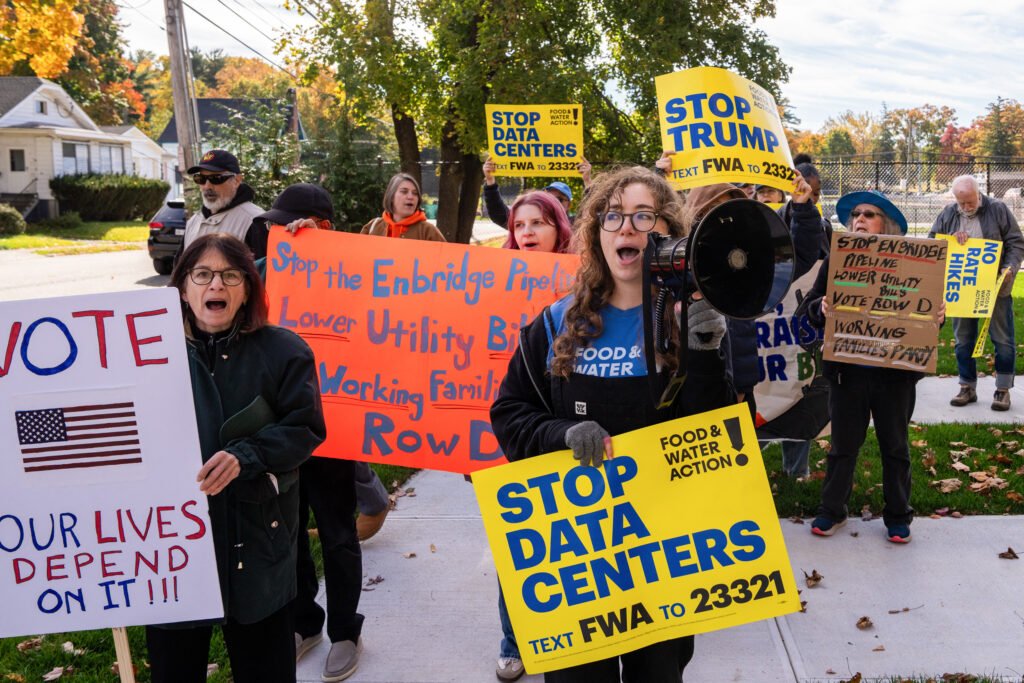
While direct mentions of “climate change” may not have dominated the discourse in the latest election cycle, Stinnett pointed out that voters were hyper-focused on climate-adjacent issues. According to his analysis, 87 percent of voters expressed concern over gas and diesel prices, 86 percent were concerned about utility costs, and a significant majority highlighted the impact of AI and data centers on their communities.
“If you transition away from fossil fuels, you’re not going to have those worries,” Stinnett said. He views these economic pressures as powerful, underutilized avenues for framing environmental policy. By connecting the climate crisis to tangible burdens like healthcare costs and the rising expense of living, advocates believe they can move the needle beyond “luxury issue” perceptions.
The success of Democratic candidates in traditionally deep-red territory, such as Texas, suggests that the political ground is shifting. Stinnett pointed to the electoral successes of figures like James Talarico, whose campaign victory was decided before polls even closed on election day. He believes this new wave of legislators will be emboldened by data showing that their constituents, even in energy-heavy states, are deeply concerned about the environment.
As the political gaze turns toward the 2028 presidential primaries, the pressure on candidates to embrace climate leadership is expected to intensify. Stinnett noted that while the general electorate might be focused on incremental improvements, the primary voters who ultimately choose the party nominees are consistently highlighting climate as a top-three priority.
A significant hurdle to climate action, according to the EVP, is a phenomenon known as “pluralistic ignorance.” Research suggests that most Americans incorrectly believe their neighbors and peers care less about climate change than they actually do. This misconception leads individuals to feel isolated in their concerns, reducing the likelihood that they will engage in activism or demand systemic change.
“We need to let them know that they’re not alone,” Stinnett concluded. “Whenever we talk about healthcare and affordability, we’ve also got to be talking about climate change.”
For now, the focus shifts to how the incoming Senate and House will translate this voter sentiment into policy. With a clear mandate from a base that is increasingly demanding systemic, rather than incremental, change, the coming term promises to be a critical test for climate advocates and policymakers alike.
Disclaimer: This content is auto-generated for informational purposes only.
Source: Read Original News