





The landscape of Scotland’s energy and environmental future is shifting at an unprecedented pace, driven by a complex interplay of industrial expansion, climate urgency, and the unintended consequences of rapid technological deployment. From the towering wind turbine blades arriving at Leith docks to the sprawling data center proposals in the Lammermuirs, the nation is currently grappling with how to reconcile modern infrastructure needs with the preservation of its natural assets.
The logistical scale of this transition is visible in ports like Leith, where the arrival of sunshine-yellow turbine components serves as a physical reminder of the massive offshore wind projects destined for the North Sea. These structures represent more than just renewable energy; they are a central pillar of Scotland’s economic strategy and a critical component of its effort to meet ambitious emissions targets. However, the path to a greener grid is rarely straightforward. Experts and journalists tracking these developments point to a “dizzying” array of questions regarding the national grid’s capacity, the total energy demand of a digitalized society, and the long-term impact on rural communities hosting these large-scale developments.
Equally pressing is the emergence of artificial intelligence and the associated demand for data centers. In recent months, developers have submitted a flurry of proposals for these facilities across Scotland, with 28 projects currently awaiting grid connection consent. If realized, the potential power demand from these sites would exceed twice Scotland’s current peak winter energy consumption. This has sparked a debate between the promise of technological advancement and the environmental costs of increased energy strain, forcing policymakers to play catch-up with an industry that is evolving faster than current regulatory frameworks.
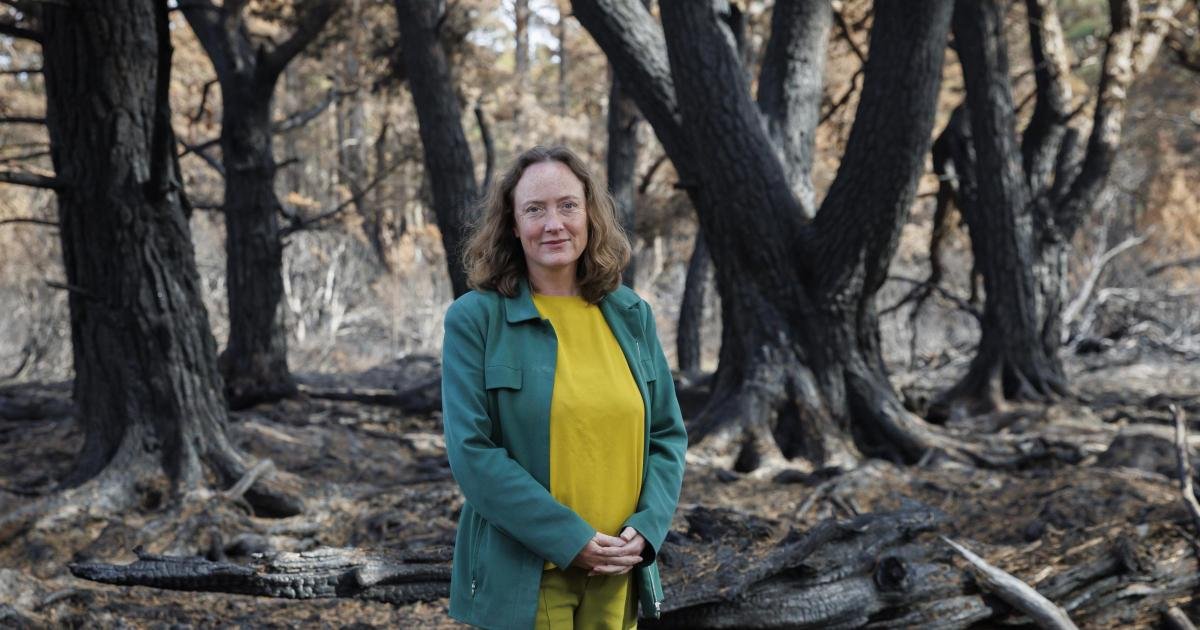
Beyond the energy sector, the health of Scotland’s natural capital remains a focal point of environmental scrutiny. Recent reporting has highlighted the vulnerabilities of the Scottish wilderness, from the devastating impact of wildfires in the Cairngorms to the ongoing debates surrounding forest governance and the mass mortality of saplings in corporate-led reforestation efforts like BrewDog’s “Lost Forest.” These incidents underscore the complexities of carbon offsetting and nature finance, where the intention to mitigate climate change through land management can sometimes face significant ecological and governance hurdles.
Furthermore, the long-standing controversy surrounding the salmon farming industry continues to act as a litmus test for environmental oversight. The push for economic growth in the aquaculture sector is frequently pitted against concerns over stock mortality, biodiversity loss, and the health of the marine ecosystem. By cross-referencing industry data with the observations of environmental campaigners, analysts continue to pull back the curtain on an industry that remains a lightning rod for debate over Scotland’s environmental standards.
As Scotland navigates these competing pressures—the need for robust energy infrastructure, the digital revolution, and the imperative to protect planetary boundaries—the challenge lies in balancing economic necessity with long-term ecological resilience. The current discourse suggests that while solutions like renewables and reforestation are vital, they are not immune to systemic problems. Achieving a sustainable future will require more than just technological roll-outs; it demands rigorous oversight, data-driven transparency, and a willingness to confront the unintended consequences of policy decisions.
In this era of rapid change, the ability to investigate the intersection of land, power, and policy is more crucial than ever. Whether it is examining the highest levels of fuel poverty or analyzing the environmental footprint of new infrastructure, the ongoing assessment of these developments remains essential for a nation attempting to modernize while safeguarding its natural identity.
Disclaimer: This content is auto-generated for informational purposes only.
Source: Read Original News