






India-Nepal Ties Set for Strategic Boost as PM Balendra Shah Begins Delhi Visit
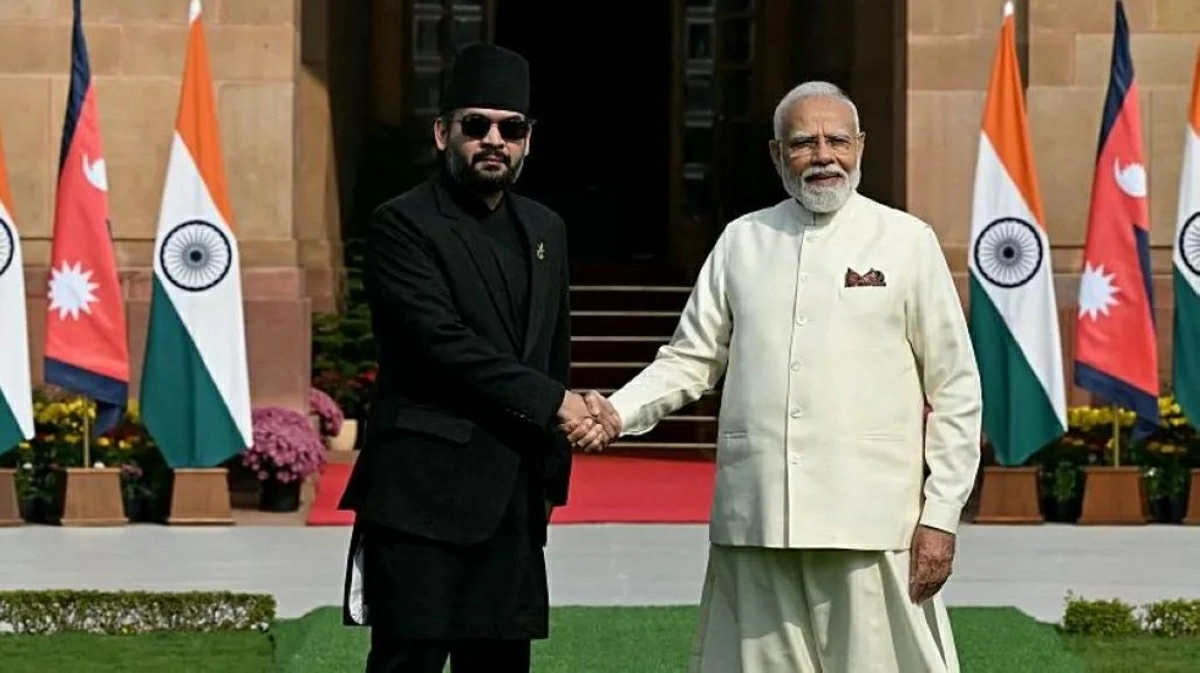
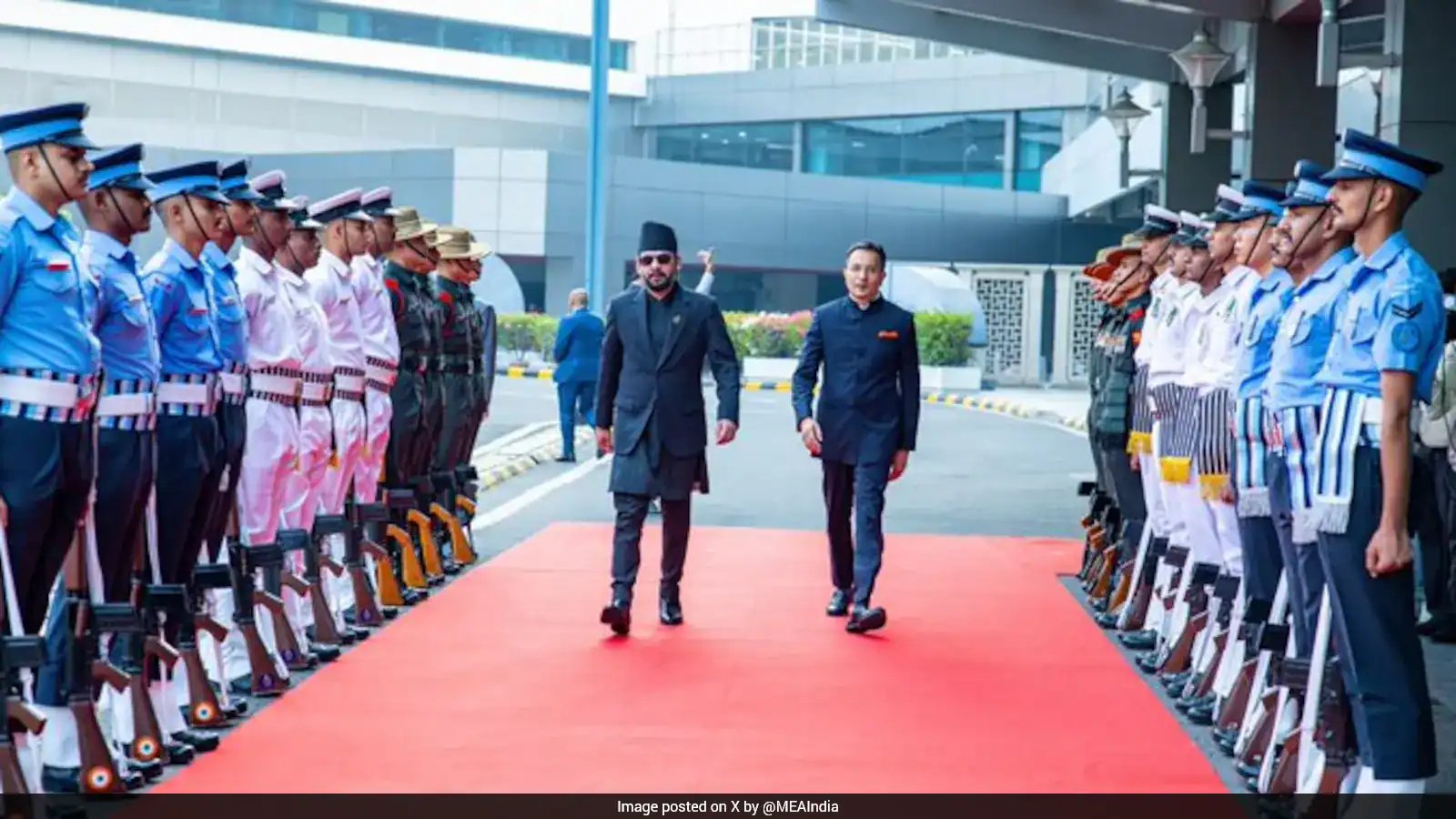
In a significant diplomatic engagement, Nepal’s Prime Minister Balendra Shah arrived in New Delhi on Sunday for a state visit that is expected to recalibrate the partnership between the two neighboring nations. Received by Minister of State for Commerce and Industry Jitin Prasada, the visit serves as the first official trip for the Nepalese leader since taking office this March, signaling a concerted effort to reset and deepen bilateral cooperation.
The primary agenda for Monday’s high-level dialogue between Prime Minister Narendra Modi and Prime Minister Shah centers on critical sectors including energy, hydropower, infrastructure, and regional connectivity. According to diplomatic sources, the meeting is intended to provide a robust political framework to guide the bilateral relationship toward a period of accelerated growth and integration.
Strengthening Economic and Connectivity Ties
India remains Nepal’s primary economic partner, holding the position of the Himalayan nation’s largest trade, investment, and transit source. With approximately 80 percent of Nepal’s exports finding a market in India and Indian foreign direct investment accounting for nearly one-third of total inflows into Nepal, the economic stakes of this visit are substantial.
A key highlight of the visit will be the virtual inauguration of several joint infrastructure projects. Furthermore, both nations are exploring ambitious connectivity initiatives, most notably the proposed Raxaul-Kathmandu railway project. This link is envisioned as a game-changer for both passenger transit and freight logistics, further cementing the land-locked nation’s access to global markets through India.
In a move to honor the cultural and religious ties between the two countries, leaders are also expected to launch a new passenger train service connecting the sacred cities of Ayodhya and Janakpur Dham. This route is set to bolster the “Roti-Beti” relationship—the deep-rooted, age-old social and cultural connection shared by the people of India and Nepal.
Energy Cooperation and Strategic Outlook
Energy security has emerged as a cornerstone of the bilateral agenda. Nepal has successfully turned its natural resources into a revenue stream, recording approximately 1,800 crore Nepalese Rupees in net electricity exports to India for the 2025-26 fiscal year. The ongoing long-term power supply agreement continues to be a vital mechanism for fulfilling Nepal’s domestic energy requirements while fostering regional stability.
The visit comes at a time when both governments have identified a strong synergy in their national priorities, ranging from technological adoption to collective responses against climate change and natural disasters.
Navigating Border Complexities
While the atmosphere of the visit remains focused on development, the talks are taking place against the backdrop of recent diplomatic friction. Earlier this year, tensions arose following comments from Prime Minister Shah regarding the potential involvement of third-party nations in resolving longstanding border disputes concerning Lipulekh, Limpiyadhura, and Kalapani.
New Delhi has maintained a firm stance on this matter, reiterating that any issues regarding boundary demarcations must be addressed through established bilateral mechanisms, effectively rejecting the involvement of third parties. Despite these historical challenges, the current state visit underscores a shared commitment to move beyond individual friction points, focusing instead on the multifaceted development partnership that remains essential to the regional stability and shared prosperity of both nations.
Disclaimer: This content is auto-generated for informational purposes only.
Source: Read Original News