







Netherlands Backs India’s Diplomatic Role in Ukraine Conflict
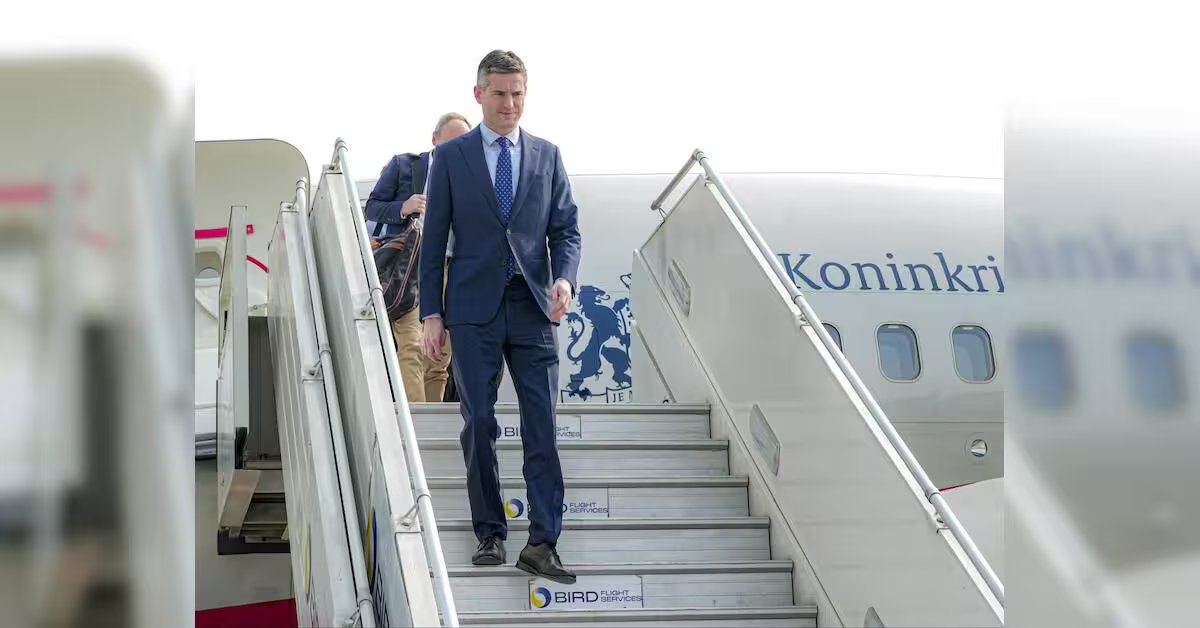
In a significant endorsement of New Delhi’s independent foreign policy, Dutch Foreign Minister Tom Berendsen has underscored that India’s enduring ties with Russia serve as a strategic “added value” for the international community. Speaking during his official visit to India this week, Berendsen suggested that New Delhi is uniquely positioned to leverage its historical rapport with Moscow to advocate for an end to the ongoing Russia-Ukraine conflict.
Berendsen, who arrived in India on November 22 for a two-day visit, co-chaired the inaugural Foreign Ministers’ Meeting alongside External Affairs Minister S. Jaishankar. Amid global pressure on nations to pick sides, the Dutch minister’s comments reflect a pragmatic shift in Western perspectives, acknowledging that India’s strategic autonomy is not an obstacle, but rather a bridge for potential peace negotiations.
“We understand that India has its own history and its own role in the world,” Berendsen told reporters. “We actually see it as an added value… that it can use its relationship with Russia to show Moscow that it needs to put an end to this war and accept a ceasefire.”
Deepening the Strategic Partnership
The discussions between Jaishankar and Berendsen served as a comprehensive review of the India-Netherlands Strategic Partnership. As the Russia-Ukraine war enters its fifth year—impacting global food security and energy stability—both leaders addressed the complexities of the Black Sea region. The Dutch side specifically praised India’s diplomatic initiatives aimed at ensuring the safe passage of grain shipments, which remain vital to global food supply chains.
Beyond the geopolitical discourse, the two nations are aggressively expanding their economic cooperation. The ongoing negotiations for an India-European Union Free Trade Agreement, anticipated to be finalized in December, dominated trade talks. Berendsen described the potential deal as a gateway for broader economic integration, moving beyond traditional goods to encompass services and digital trade.
Building a Technological Future
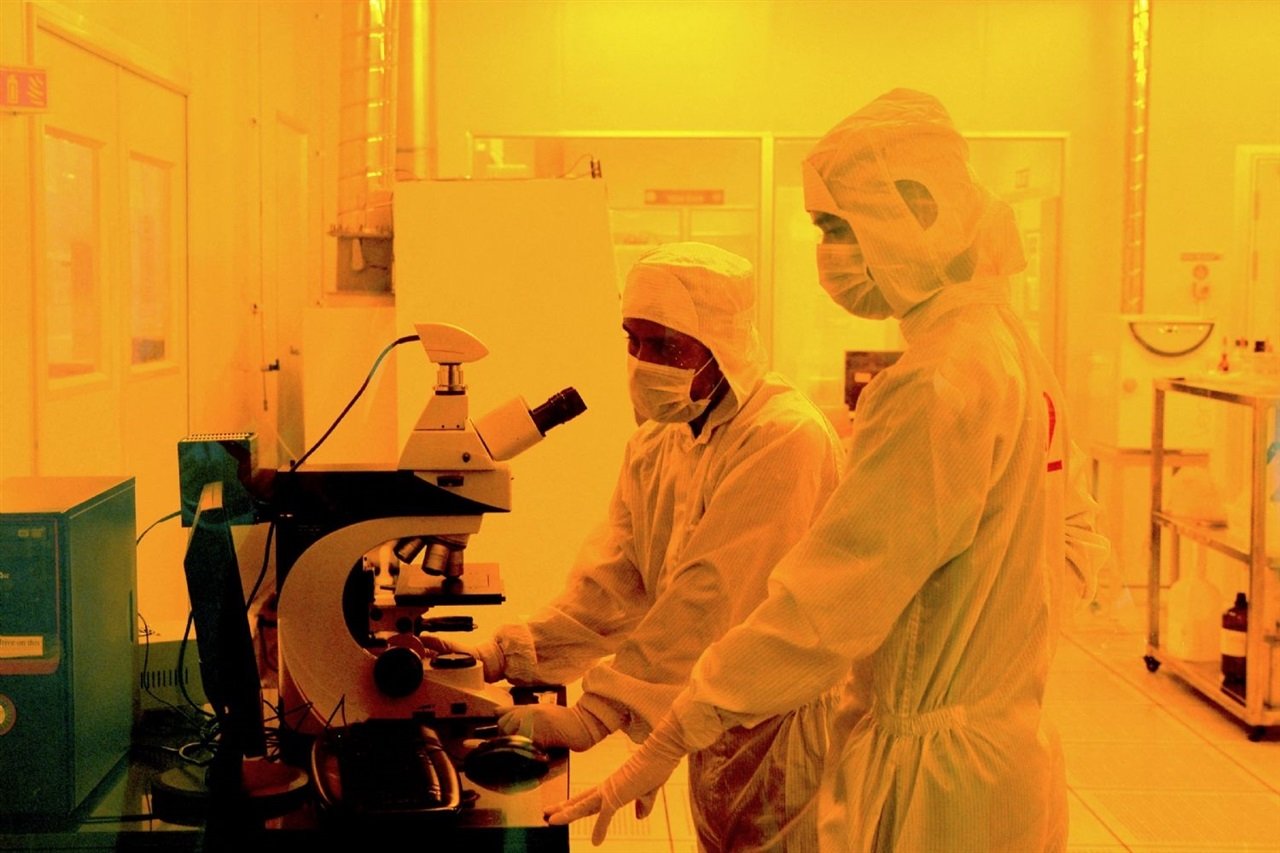
A focal point of the visit was the burgeoning collaboration in the semiconductor sector. Following the signing of a Memorandum of Understanding (MoU) between Tata Electronics and Dutch industry giant ASML earlier this year, both ministers confirmed that the partnership is transitioning from a policy framework to active implementation. The collaboration is centered on supporting India’s ambitious 300 mm semiconductor fabrication facility in Dholera, Gujarat.
“It is not only about signing a document; it is the starting point of strengthening the partnership,” Berendsen noted. This initiative is part of a broader Dutch-Indian strategy to diversify supply chains, reduce dependence on singular markets, and gain greater autonomy over critical raw materials and cutting-edge technology.
A Shared Vision for Global Security
During the meeting, S. Jaishankar emphasized the evolving nature of the bilateral relationship, which has matured from traditional cooperation in water management and agriculture to high-stakes defense and tech-led engagement.
“There are shared challenges. I think terrorism is one, climate change is another, where it’s important we work together,” Jaishankar remarked.
As Berendsen prepares to meet with Electronics and Information Technology Minister Ashwini Vaishnaw on Monday, the momentum from this visit suggests that the India-Netherlands relationship is set to play a pivotal role in the broader EU-India geopolitical framework. By focusing on mutual interests in maritime security, sustainable energy, and technological resilience, the two countries are positioning themselves as critical partners in an increasingly volatile global landscape.
Disclaimer: This content is auto-generated for informational purposes only.
Source: Read Original News