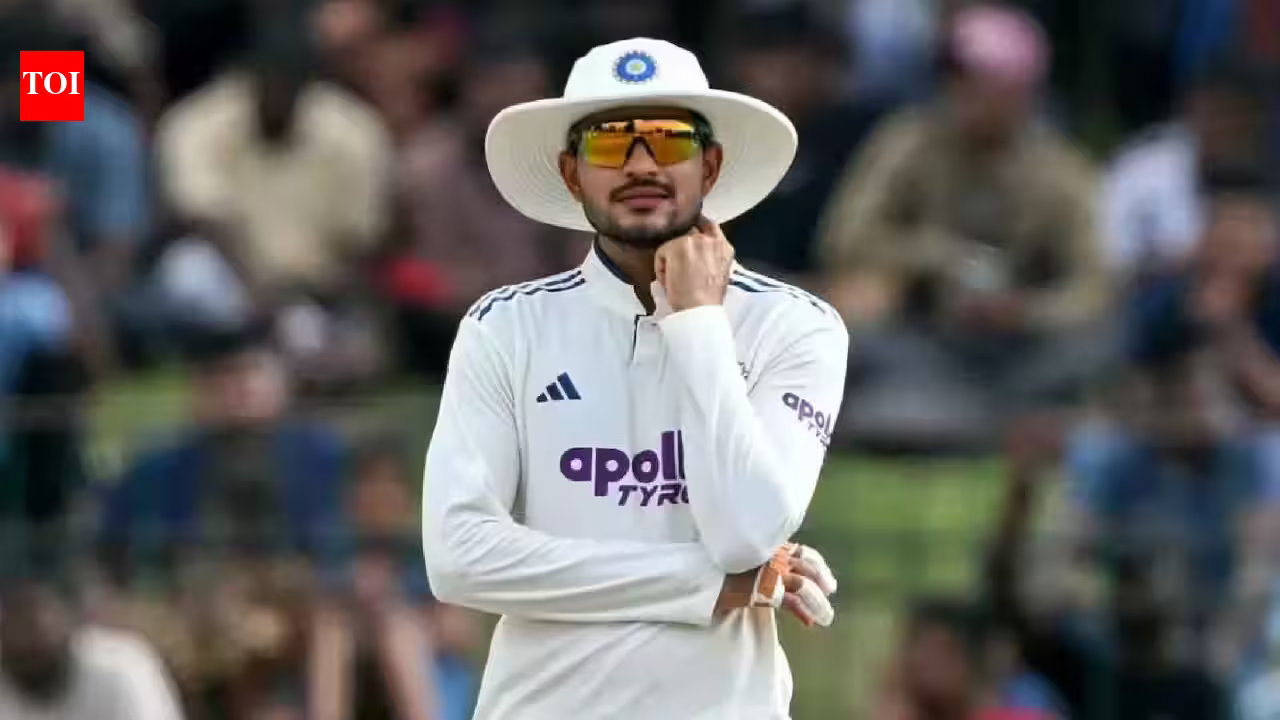









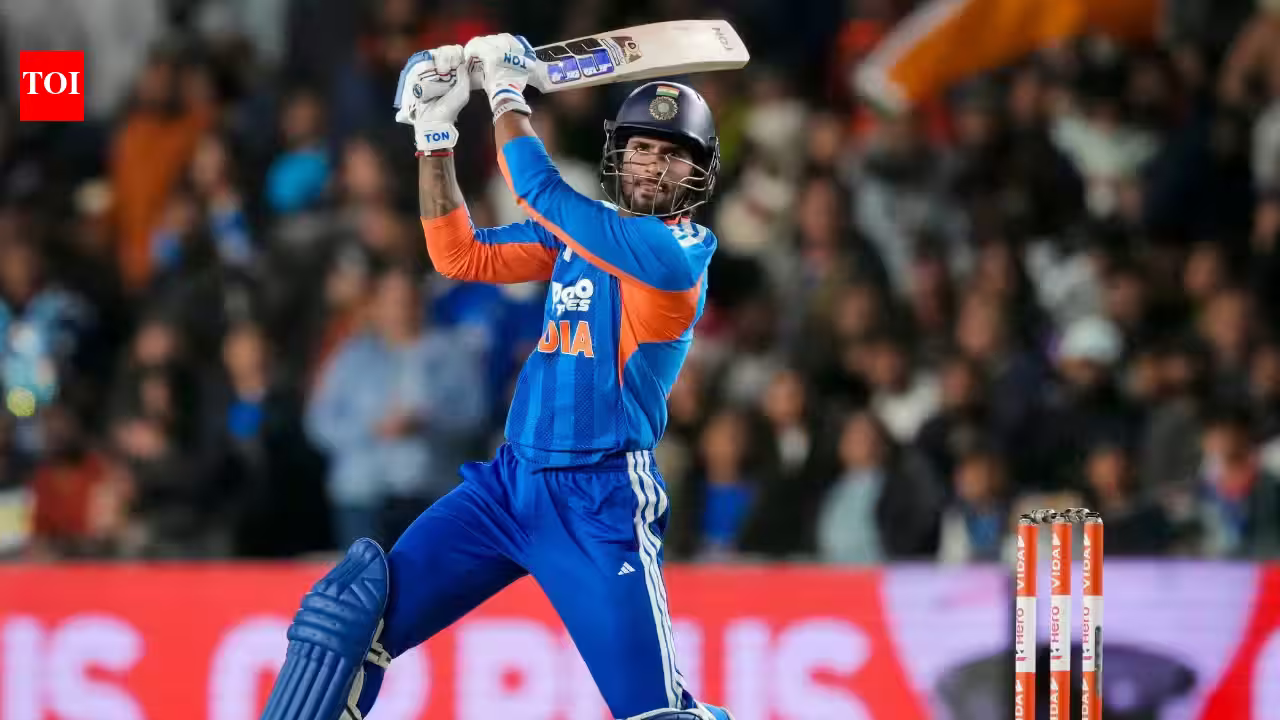
Tensions have simmered within the India A camp following a bitter defeat, but the post-match headlines are being dominated not by the loss itself, but by a candid—and controversial—assessment from captain Tilak Varma. Following a 49-run loss in a high-stakes List A encounter, Varma’s public critique of teammate Shahbaz Ahmed has drawn sharp rebukes from veteran leader Ajinkya Rahane, who believes the young skipper crossed an unspoken line of dressing room etiquette.
Chasing a daunting target of 314, India A faltered, eventually collapsing for 265 in 49.1 overs. Despite Varma’s resilient century, the skipper did not mince words when reflecting on the game’s pivotal moments, explicitly pointing to the dismissal of Shahbaz Ahmed as the catalyst for the team’s failure to accelerate.
### The Anatomy of the Collapse
The chase had promised much, particularly during a 112-run partnership between Varma and Shahbaz, which stabilized the innings after a precarious 129/5. However, the momentum vanished when Shahbaz departed in the 43rd over, triggering a final, fatal collapse.
In the immediate aftermath of the defeat, Varma’s assessment of his partner’s exit sparked immediate friction. “The way Abhishek started and in between again the way Shahbaz has given a partnership with me, that was crucial. But unfortunately, when we wanted to accelerate, Shahbaz got out. Otherwise, if he could have stayed for another two overs, something like that, then I could have finished the game,” Varma remarked.
The comments have been received with mixed reactions, particularly given the context of Varma’s own innings. While he eventually reached a fighting 100 off 149 balls, critics have pointed to the extreme discrepancy in strike rates throughout the innings. Varma’s knock was marked as the second-slowest century by an Indian batter in List A history, a stark contrast to Abhishek Sharma, who had fired a rapid 60 off just 34 balls. Statistical analysis of the partnership revealed that while Sharma was scoring freely at the start of the innings, Varma had managed only six runs off his first 34 deliveries, a slow start that critics argue placed undue pressure on the middle order to make up for lost time.
### The “Dressing Room” Doctrine
Ajinkya Rahane, a veteran of numerous high-pressure captaincy stints for the senior national side, was quick to address the comments during a broadcast on Sony Sports Network. For Rahane, the issue was never about the loss, but about the optics of a leader pointing fingers at subordinates in a public arena.
“Nobody wants you to talk about your player in front of the world,” Rahane stated firmly. “If you want to say something, go say in the dressing room—it builds their confidence.”
Rahane, known for his calm temperament and astute man-management, acknowledged the immense psychological burden of captaincy. He conceded that post-match interviews can be a minefield for any leader, especially when raw emotions are running high after a difficult loss. He suggested that Varma’s comments may have been a byproduct of a tired mind rather than an intentional slight against his teammate.
“Look, this happens in cricket. You put in the effort, results go your way or they don’t. Sometimes you don’t get the chance as captain, because so many things are running through your mind. You come to the presentation, whatever you want to say, maybe that thing doesn’t come out, something else comes out,” Rahane explained.
### A Steep Learning Curve
Despite the backlash, Varma maintained that his only focus remains the ultimate goal of victory. When asked if his century represented his best form, he deflected the praise, framing his performance strictly through the lens of team success.
“I won’t say, sir. For me, best is winning the game. If I won’t win the game, then it’s not best for me,” Varma said. “If you are a captain for the team, then you should take that load and responsibility. So yeah, I honestly love doing that.”
For a young captain on the rise, this incident serves as a significant chapter in his development. Leadership in the Indian cricket setup is as much about managing the egos and morale of one’s peers as it is about tactical decisions on the field. Rahane, viewing the situation with the perspective of a seasoned mentor, remains confident that this will prove to be a constructive experience for Varma.
“I’m sure Tilak Varma as a captain will learn,” Rahane concluded. “This is an experience for him on how to handle things.”
As India A looks toward their next challenge, the incident highlights the fine line between accountability and public criticism. For Varma, the task ahead is twofold: refining his tempo to better match the demands of modern white-ball cricket and mastering the subtle art of leadership that keeps a team united, both in victory and in the frustration of defeat.
Disclaimer: This content is auto-generated for informational purposes only.
Source: Read Original News