







India’s Electric Vehicle Surge: Record Sales and a Roadmap for 2040
November 23, 2026 | By EI News Network
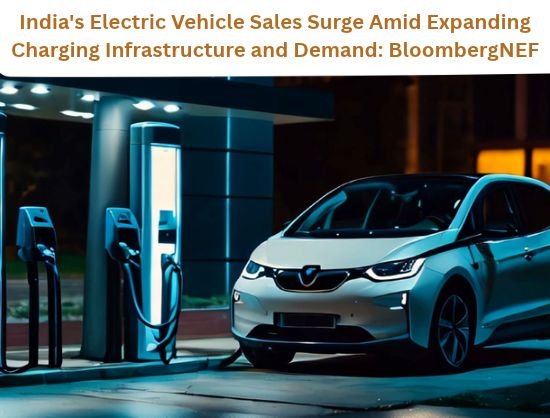
India’s transition toward sustainable mobility is gaining significant momentum. According to the latest India Electric Vehicle Outlook 2026 by BloombergNEF, the country hit a major milestone with 2.9 million electric vehicle (EV) sales recorded in the first ten months of this year alone. This figure follows a robust 2025 performance, where annual sales eclipsed 2.4 million units.
The current uptick is largely fueled by a volatile global energy landscape. The spike in fossil fuel prices, exacerbated by the ongoing conflict in Iran, has pushed consumers toward the cost-effective embrace of electric two-wheelers. Coupled with a broader range of vehicle models and an expanding network of charging stations, the case for electrification has never been more compelling for the average Indian buyer.
The Passenger Vehicle Landscape
While two-wheelers lead the charge, the passenger car segment is also charting a steady path forward. Projections indicate that annual passenger EV sales will surpass 305,000 units in 2026—a notable 42 percent leap over the previous year. Currently, electric cars command a 6.7 percent share of the passenger vehicle market.
Interestingly, Indian demand is being driven primarily by private owners rather than fleet operators. While shared mobility services are the primary drivers of EV growth in other global regions, in India, these operators remain hesitant due to the limited availability of affordable electric commercial cars and the stiff competition from cost-efficient Compressed Natural Gas (CNG) alternatives.
Long-term Projections: Beyond 2030
The industry expects a massive transformation as battery prices continue their downward trend, allowing manufacturers to launch more accessible models. BloombergNEF’s Economic Transition Scenario forecasts that passenger EV sales will climb to roughly 620,800 units by 2030. However, the true explosion in growth is expected post-2030; by 2040, annual sales in this segment are anticipated to reach 5.2 million units as battery technology matures and becomes deeply competitive.
The two-wheeler market will remain the backbone of this movement. With 9.4 percent of current two-wheeler sales now electric, the sector is poised for exponential growth, with forecasts suggesting 13.2 million annual sales by 2040. Electric scooters are currently the primary drivers of this segment, though the adoption of electric motorcycles remains a potential bottleneck for future expansion.
Challenges in Heavy Transport and Infrastructure
The electrification of heavy commercial vehicles faces steeper hurdles. Factors such as driving range, load capacity requirements, and high upfront costs mean that the transition for buses and heavy trucks will be slower, with projections suggesting only 40.4 percent of new sales will be electric by 2040. In contrast, light commercial vehicles are expected to transition rapidly, with 64 percent expected to be electric by that same year.
This widespread adoption will inevitably strain the grid, with charging demand expected to exceed 96 terawatt-hours by 2040. To support this, India will need to install over 8.7 million charging connectors, requiring an estimated investment of $29 billion.
Despite these achievements, BloombergNEF warns that India is currently falling short of its official national electrification targets for 2030, with the exception of the three-wheeler segment. Moving forward, the industry requires more than just market-driven growth; it demands aggressive policy intervention, sustained infrastructure investment, and a coordinated national effort to ensure India aligns its transport sector with global net-zero aspirations.
Disclaimer: This content is auto-generated for informational purposes only.
Source: Read Original News