








The Evolving Landscape of India-US Trade Relations
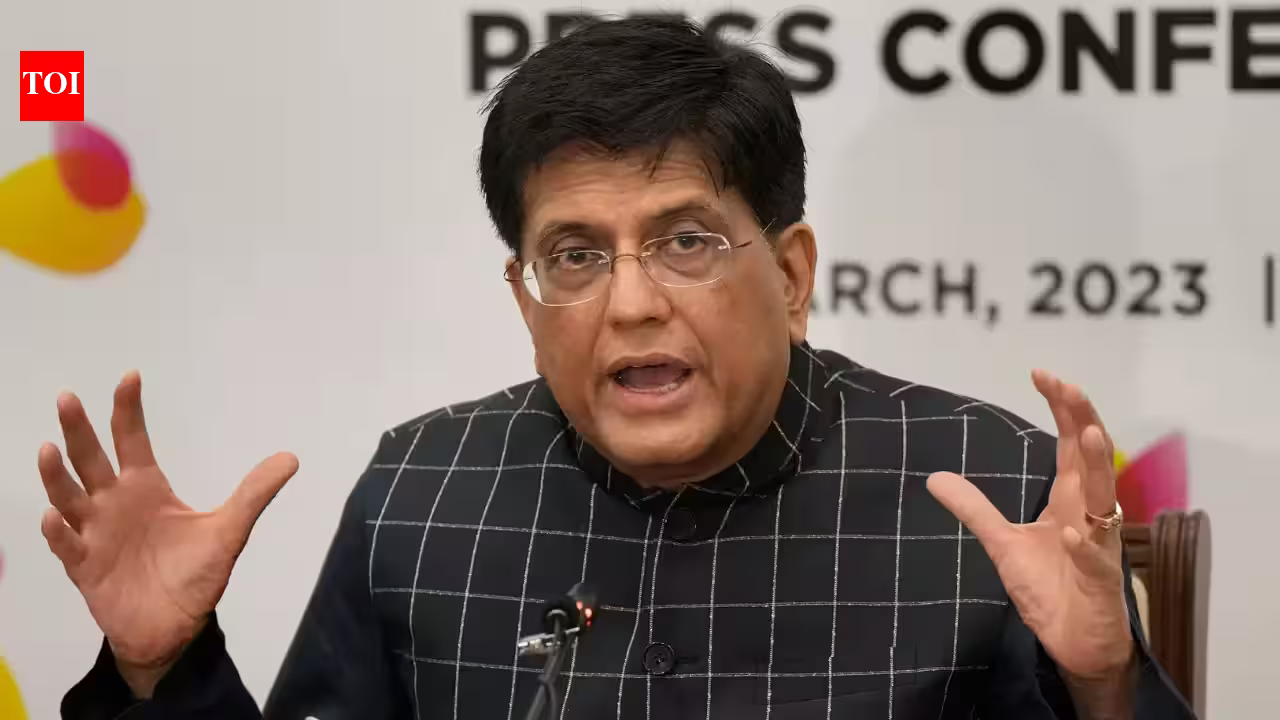
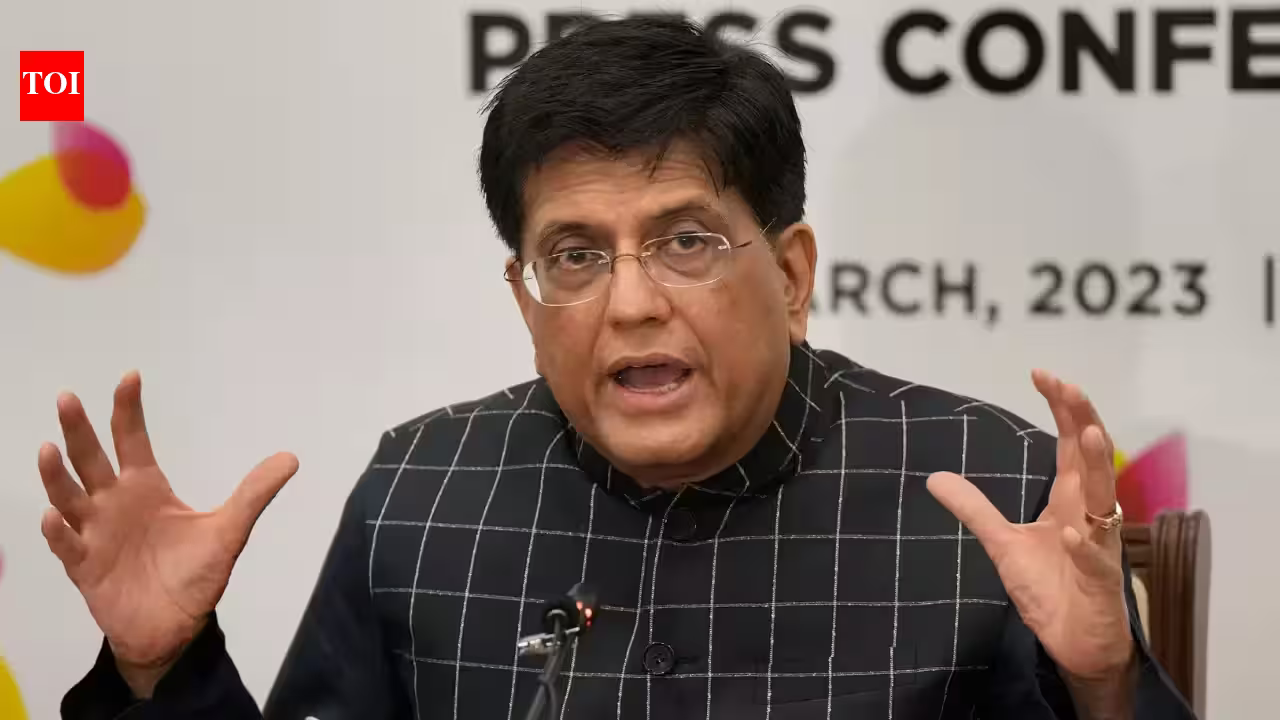
The bilateral trade relationship between India and the United States has long been defined by a complex interplay of strategic partnership and protectionist friction. As the world’s largest democracy and the world’s largest economy converge on increasingly complex global supply chain strategies, the recent commentary from Union Minister of Commerce and Industry Piyush Goyal suggests that a long-awaited trade agreement is nearing a point of culmination. This development follows nearly two years of intensive deliberations aimed at navigating the volatile landscape of tariff policies and market access.
For India, the United States remains the most critical export destination, with trade volumes exceeding $90 billion annually. This massive scale underscores the necessity of a stable framework that allows Indian businesses to plan long-term manufacturing and export strategies without the threat of sudden, unilateral tariff hikes. The current phase of negotiations is particularly delicate, as both nations attempt to balance domestic protectionist pressures with the broader objective of fostering a resilient and mutually beneficial economic ecosystem.
Understanding the Section 301 Tariff Mechanism
A central point of contention in recent months has been the US move to utilize Section 301 investigations to propose additional tariffs on Indian exports. Section 301 of the Trade Act of 1974 grants the US President the authority to impose retaliatory tariffs if it is determined that a foreign country’s trade practices are “unjustifiable” or “unreasonable” and burden US commerce. In this instance, the US administration has proposed a 25 percent additional tariff, with a conditional offer to reduce this to 17 percent if a broader trade agreement is reached.
From an analytical standpoint, this is a coercive instrument designed to force concessions. For Indian policymakers, the challenge lies in responding to these investigations without compromising the sovereignty of domestic economic policies. Commerce Secretary Rajesh Agrawal has maintained a composed stance, noting that India is currently examining the notification and preparing a formal response. This bureaucratic deliberation is critical; it demonstrates that India is not merely reacting to external pressure but is actively engaging in the legalistic processes that govern international trade law. By responding through established channels, India minimizes the risk of escalating trade hostilities while signaling its intent to protect its manufacturing sector.
Strategic Imperatives for India in Global Supply Chains
The desire for a trade agreement with the US is not merely about avoiding tariffs; it is a strategic maneuver to secure India’s position as a viable alternative to other manufacturing hubs. India’s commerce ministry has repeatedly emphasized that any final deal must provide a clear competitive advantage over rivals such as China, Vietnam, Bangladesh, and Pakistan. In an era where “China Plus One” strategies are driving multinational corporations to diversify their supply chains, India stands to gain significantly if it can offer a predictable regulatory and tax environment.
The competitiveness of Indian exports—ranging from textiles and pharmaceuticals to engineering goods and IT services—is heavily dependent on the landed cost in the US market. Additional tariffs disrupt this cost structure, making Indian goods less attractive compared to competitors who may have more favorable tariff arrangements. Consequently, the push for an FTA (Free Trade Agreement) or a comprehensive trade deal is rooted in the long-term objective of achieving “Ease of Doing Business” on an international scale. Indian industry leaders are keenly watching these developments, as the culmination of such a deal would reduce uncertainty, incentivize foreign direct investment (FDI), and stabilize the export pipeline for thousands of small and medium enterprises.
Navigating Protectionism and the Trump Tariff Policy
One of the most significant hurdles in the current negotiations is the unpredictable nature of US tariff policy. The “flip-flops” noted by observers reflect a broader trend in US trade strategy that prioritizes domestic industrial protection above traditional multilateral cooperation. For Indian officials, the art of the deal involves crafting an agreement that is flexible enough to accommodate shifts in US political leadership while rigid enough to prevent arbitrary tariff hikes.
Indian government officials have been walking a tightrope, choosing to prioritize caution over speed. By avoiding aggressive rhetoric, India seeks to maintain its status as a reliable strategic partner while simultaneously defending its market interests. This approach is reflective of a maturing Indian foreign trade policy that recognizes the US as a vital source of technology and capital, yet remains firm on issues of agricultural protection and digital services, where domestic interests are paramount. The goal is to move from a relationship defined by reactive tariff negotiations to one governed by proactive, structural market access.
Economic Implications for the Indian Industrial Sector
The potential impact of a finalized trade deal on the Indian economy cannot be overstated. Should India succeed in securing favorable terms, the immediate result would be a boost in investor confidence. Sectors such as information technology, pharmaceuticals, and automobiles are expected to benefit the most from reduced tariff barriers. Furthermore, a stable trade relationship with the US provides a blueprint for negotiating similar terms with other developed economies, including the European Union and the United Kingdom.
However, the path forward requires addressing the structural issues that have historically hindered Indian manufacturing. While tariffs are an external factor, domestic reforms—such as improving logistics, lowering electricity costs for industrial zones, and streamlining port operations—remain essential to ensuring that Indian goods remain competitive regardless of the tariff regime. The government’s current focus on infrastructure development, as seen in the push for high-speed connectivity and digital logistics, serves as the necessary internal counterpart to its external diplomatic efforts.
Looking Ahead: The Path Toward Finalization
The narrative surrounding the US-India trade talks is shifting from one of perpetual delay to one of active preparation. As commerce officials indicate that the “pathway” is now taking shape, the focus must shift to the technical details of market access. Success will be measured not by the speed of signing, but by the tangible improvements in market entry for Indian products and the long-term predictability of the tariff environment.
As India continues its trajectory toward becoming a $5 trillion economy, its influence in international trade negotiations will only grow. The current challenges with the US administration represent a test of this growing influence. By engaging in rigorous, evidence-based trade diplomacy, India is demonstrating that it is prepared to move beyond the traditional “developing nation” stance and operate as a serious, commercially-driven partner on the global stage. The culmination of this deal, if achieved, will serve as a cornerstone for India’s export-led growth strategy, providing a much-needed boost to the domestic manufacturing sector and cementing the bilateral relationship as one of the most consequential economic partnerships of the 21st century.
Disclaimer: This content is auto-generated for informational purposes only.
Source: Read Original News