







The consumer electronics landscape has shifted significantly over the last five years. Where once the promise of technological advancement meant receiving better features for the same retail price, the current market climate of supply chain constraints, inflationary pressure, and increased manufacturing costs has fundamentally altered this formula. Today, consumers often find themselves paying more for hardware that provides marginal improvements over previous iterations, or in some cases, features that remain stagnant while price tags climb. This trend is clearly illustrated by the 2026 Kindle lineup, which highlights a shift toward higher entry costs even as the competitive landscape for e-readers remains saturated.
The Inflation of E-Reader Pricing
The historical trajectory of Kindle pricing suggests a period where the barrier to entry was consistently lowered to facilitate mass adoption. However, the current generation of devices reflects the reality of a hardware market where basic gadgets are no longer immune to rising costs. When comparing current pricing to models released just a few years ago, the value proposition has become increasingly difficult to justify for casual users. The 2026 entry-level Kindle carries a higher price point than the mid-range devices of previous years, leaving users to weigh the merits of the latest hardware against the performance of refurbished or used older models, which often offer comparable, if not superior, feature sets for a fraction of the cost.
Hardware and Design Evolution
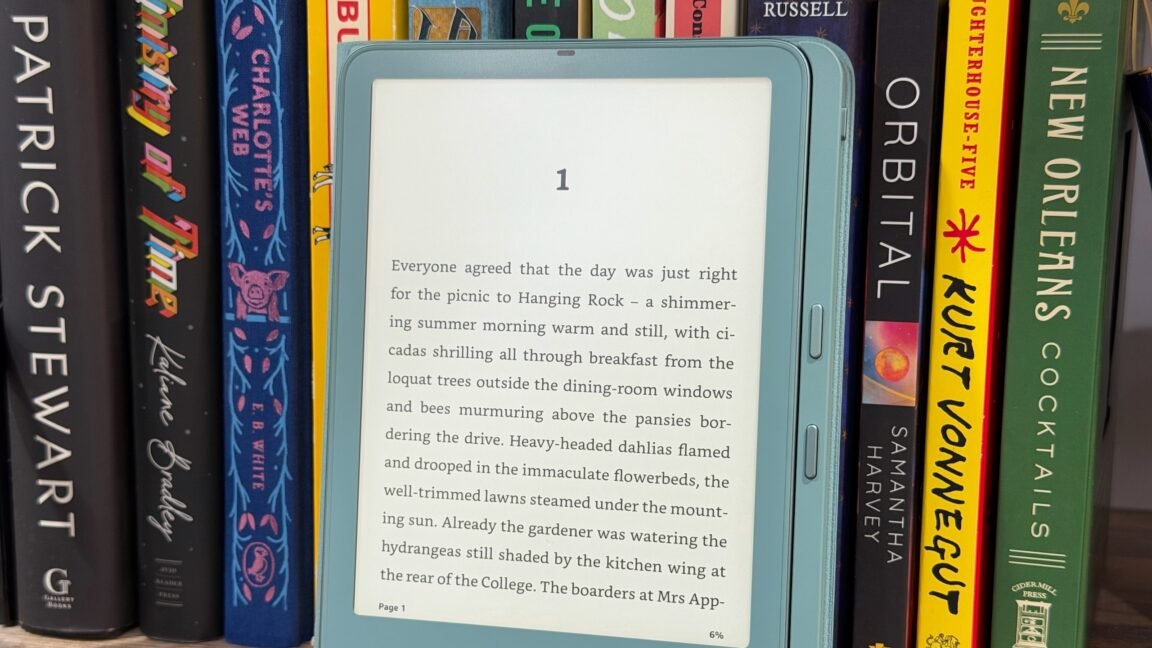
The centerpiece of the current lineup is the 2026 Paperwhite Signature Edition. Positioned at a premium $250 price point, this device departs from the standard plastic construction found in previous iterations, opting for an aluminum chassis reminiscent of modern tablet aesthetics. This shift provides a more robust, premium feel, yet it highlights a stark divide between the flagship models and the more accessible, plastic-bodied variants.
Design adjustments are present throughout the new range. The power buttons, previously located on the bottom of the devices, have been relocated to the left side. This change is intended to minimize accidental inputs when the device is placed on a flat surface or in a cover, though it requires a shift in muscle memory for long-time users. Connectivity remains standardized via USB-C, maintaining consistency with modern charging requirements, while the Signature Edition retains copper contact pins for dedicated accessories, preserving the functionality of pogo-pinned charging or folio attachments.
Feature Regression and Stagnation
Perhaps the most notable aspect of the 2026 update is the lack of significant innovation in display technology. Unlike the meaningful screen and front-light upgrades that defined the 2021 and 2024 cycles, the 2026 Paperwhite maintains the status quo in terms of visual performance. Users expecting a display revolution will find the screens largely consistent with their predecessors.
Further complicating the value proposition is the omission of features previously established as premium standard-bearers. The 2026 Signature Edition has notably dropped wireless charging, a capability that was a key selling point for the 2024 model. While the device remains the fastest iteration of the Paperwhite, the removal of this convenience feature serves as a point of contention for potential buyers who value the ecosystem of wireless charging pads established by the previous generation.
System Speed and User Experience
While hardware enhancements in display and battery remain largely stagnant, internal processing speed continues to be the primary metric for improvement. Amazon has indicated that the base model Kindle features a 30 percent improvement in book-opening speeds compared to its predecessor. This incremental boost suggests that while the hardware architecture has matured, the focus for this generation is on the fluidity of the user interface and content consumption speed rather than transformative reading technologies.
For the average user, these speed gains contribute to a more responsive device, but they do little to mask the feeling that the category has plateaued in terms of hardware innovation. The responsiveness is a welcome inclusion, yet it functions more as a necessary upkeep to keep the software from feeling sluggish rather than a compelling reason to upgrade from hardware that is only two or three years old.
Market Impact and Consumer Considerations
The current state of the Kindle market necessitates a more cautious approach to hardware purchasing. With the flagship Paperwhite Signature Edition priced at $250, and the baseline Paperwhite at $200, the gap between the budget-friendly reader and the luxury e-reader has widened. Prospective buyers must now decide whether the marginal speed improvements and aluminum design warrant the premium, especially when prior-generation devices with similar screen technologies are widely available at lower costs.
As the industry faces persistent supply pressures, the strategy of rebranding or slightly modifying existing hardware to meet higher price points is likely to continue. The 2026 Kindle lineup serves as a microcosm of this broader tech trend: the devices are undoubtedly capable and well-constructed, but they are defined more by the absence of expected upgrades and the presence of price hikes than by any significant technological leap. For consumers, the decision to invest in these new units should be based on a strict need for modern hardware or a requirement for specific design changes, rather than an expectation of revolutionary new reading capabilities.
Disclaimer: This content is auto-generated for informational purposes only.
Source: Read Original News