








The Strategic Imperative for Liquidity
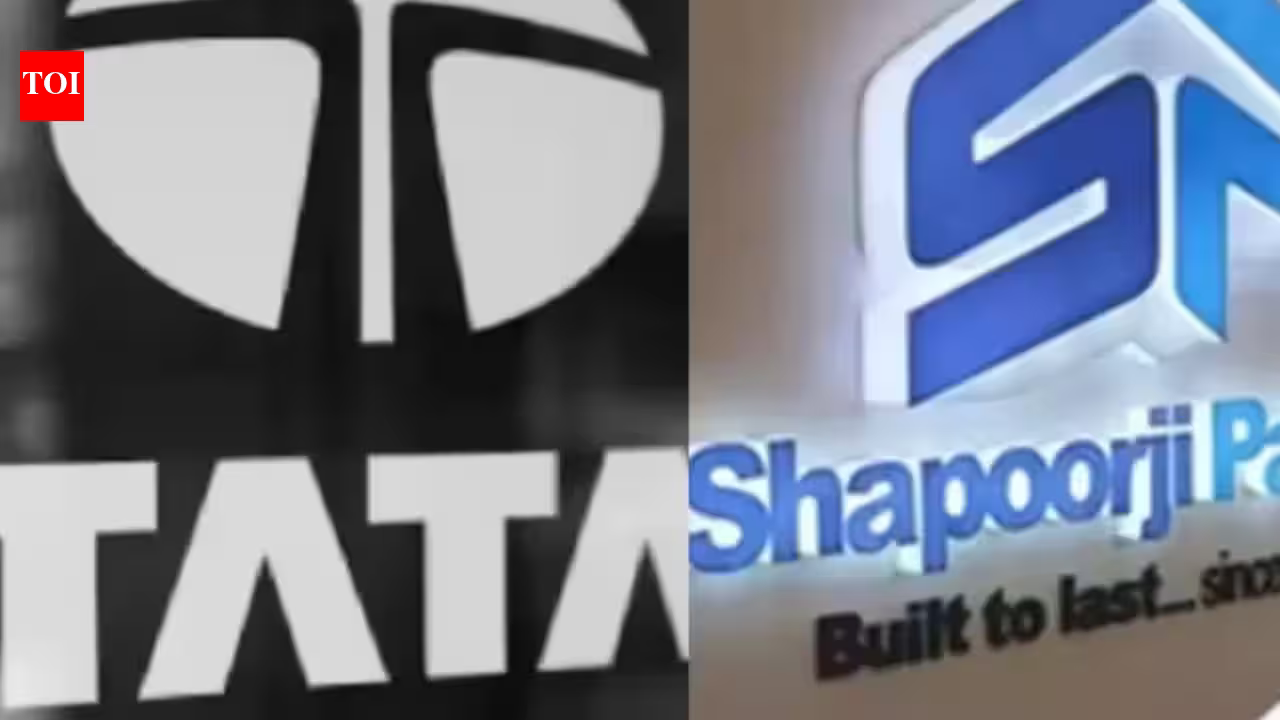
The proposal by the Shapoorji Pallonji (SP) Group to exit or partially divest its 18 percent stake in Tata Sons represents a critical juncture in one of India’s most long-standing corporate sagas. By seeking a Rs 25,000 crore infusion through a share buyback or direct sale, the SP Group is effectively attempting to decouple its immediate financial solvency from the complex, long-term governance disputes that have defined its relationship with the Tata conglomerate for nearly a decade.
For the SP Group, the necessity is driven by the stark reality of debt repayment obligations. As a construction and engineering powerhouse, the group has faced significant capital constraints in recent years. Converting its passive, illiquid stake in the Tata holding company into cash is an essential move to restore its own balance sheet health. The request for an expedited process reflects a pivot away from the protracted legal battles that previously characterized their interaction with Tata Sons, moving toward a pragmatic, commercially driven resolution.
The Mechanics of the Buyback Proposal
The preference for a share buyback or a direct sale over a court-sanctioned reduction of capital is a strategic maneuver designed to bypass the procedural friction of the National Company Law Tribunal (NCLT). The NCLT process, while legally sound, is notoriously time-consuming and prone to adversarial interventions. By framing the transaction as a standalone commercial event, the SP Group is attempting to minimize external interference and regulatory delays.
A buyback is technically the most efficient route for Tata Sons as well, provided the company holds sufficient reserves. It allows Tata Sons to consolidate its equity base while providing an exit for the minority stakeholder. However, the proposal introduces complications for Tata Sons. Any major liquidity event involving the SP Group requires careful balancing of cash flow requirements and the potential dilution of other shareholders. More importantly, the SP Group’s insistence that this move remains independent of the ongoing discussions regarding Tata Sons’ public listing highlights a desire to avoid being caught in the crossfire of the holding company’s own regulatory challenges.
Regulatory Pressures and the Listing Conundrum
The backdrop of this request is the Reserve Bank of India’s (RBI) classification of Tata Sons as an Upper-Layer Non-Banking Financial Company (NBFC). Under current regulations, such entities are mandated to list their shares on public stock exchanges. This regulatory requirement has created a significant administrative hurdle for Tata Sons, leading to internal debates about whether to pursue an Initial Public Offering (IPO) or to restructure the business to shed its NBFC status.
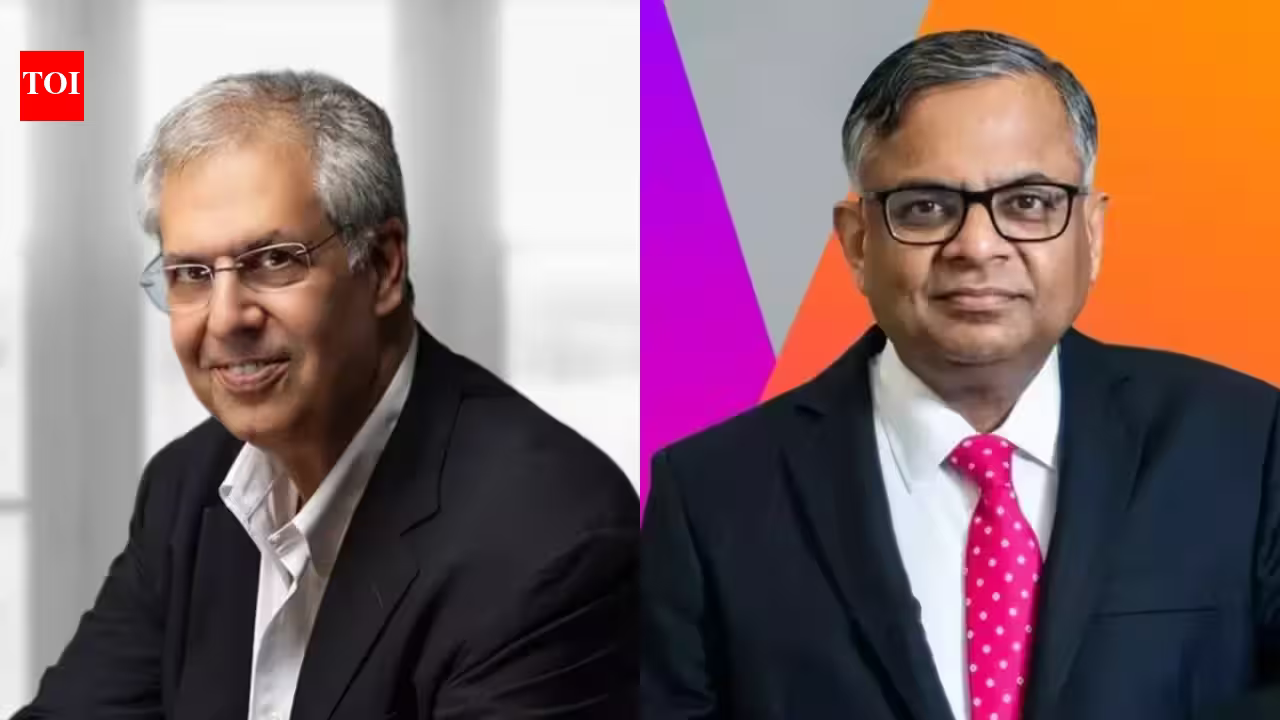
Noel Tata’s proposal to transform Tata Sons into an operating company is, in effect, a strategic attempt to bypass the listing mandate. If the company successfully reclassifies itself, it may no longer fall under the stringent disclosure and listing requirements of an Upper-Layer NBFC. The SP Group is acutely aware of this, which is why their letter to Chairman N. Chandrasekaran emphasizes that their liquidity needs should not be tethered to these governance shifts. From the perspective of the SP Group, the internal restructuring of Tata Sons is a matter of corporate policy, while their share divestment is a matter of contractual rights and financial necessity.
Impact on the Indian Corporate Governance Landscape
The tension between the SP Group and Tata Sons serves as a case study for the complexities of minority shareholding in large Indian family-run conglomerates. In India, many holding companies are structured to preserve founder control, often creating a mismatch between the wealth locked in a company and the liquidity available to individual shareholders. When these relationships break down, the lack of an easy exit mechanism for minority stakeholders can threaten the stability of both the parent group and the subsidiary entities.
This event forces a broader conversation about corporate governance in the Indian context. While the Tata brand is synonymous with high ethical standards and robust board practices, the existence of such a deep-seated dispute with its largest minority stakeholder highlights the inherent difficulties in managing multi-generational business partnerships. Investors and analysts are closely monitoring these developments, as the outcome will set a precedent for how, and under what conditions, large institutional-scale minority stakes can be liquidated without disrupting the core operations of a major conglomerate.
Future Outlook for Tata Sons and the SP Group
The path forward for both entities is narrow. For Tata Sons, the board must navigate the delicate balance of addressing the SP Group’s legitimate claim for liquidity while ensuring that any payout does not undermine its own capital adequacy or its strategic objectives regarding its regulatory status. If the company opts for a buyback, it signals a desire to clear the slate and potentially end the era of shareholder litigation, even at a high financial cost.
For the SP Group, securing this capital is not just about clearing debt; it is about reclaiming autonomy. Successfully monetizing a portion of their 18 percent stake would provide the group with the necessary breathing room to reorganize its assets and focus on its core engineering and construction businesses. However, the negotiation process remains fraught with challenges. The interplay between the upcoming board meetings, the potential restructuring plans, and the regulatory requirements of the RBI suggests that the situation remains fluid.
Ultimately, the resolution of this issue will signal the end of a turbulent chapter in Indian corporate history. Whether through a negotiated buyback or an alternative disposal of shares, the conclusion of this dispute will be a defining moment for the Tata brand. It underscores that even the most well-capitalized and prestigious Indian business houses are subject to the fundamental laws of market liquidity and the necessity of maintaining constructive shareholder relations. The business community will be watching to see if a consensus-based approach can prevail, or if the history of adversarial relations will continue to dictate the terms of this multi-billion rupee separation.
Disclaimer: This content is auto-generated for informational purposes only.
Source: Read Original News