






A large swathe of central, eastern and southern England is now experiencing a flash drought, which develops very quickly brought about by a combination of very low rainfall and higher temperatures.
Rivers are running low, farmers are having to harvest crops early, wildfire risk is increasing, and millions of people are living under restrictions on water use.
The seven areas in drought are:
- The West Midlands
- East Anglia
- Hertfordshire and the whole of London
- Hampshire & the Isle of Wight
- Wessex (covering Dorset, Somerset, Wiltshire and south Gloucestershire)
The Environment Agency has again stepped up its operational response, including enhanced monitoring and controlling how much water can be taken from rivers and groundwaters.
In the West Midlands, the Environment Agency continues to run their River Severn Regulation system to ensure flows remain on the River Severn, which provides 6 million people with drinking water.
When flows are predicted to drop below a prescribed minimum flow at Bewdley gauging station, water is released from Llyn Clywedog, Lake Vyrnwy and, when required, the Shropshire Groundwater Scheme to maintain the minimum flow.
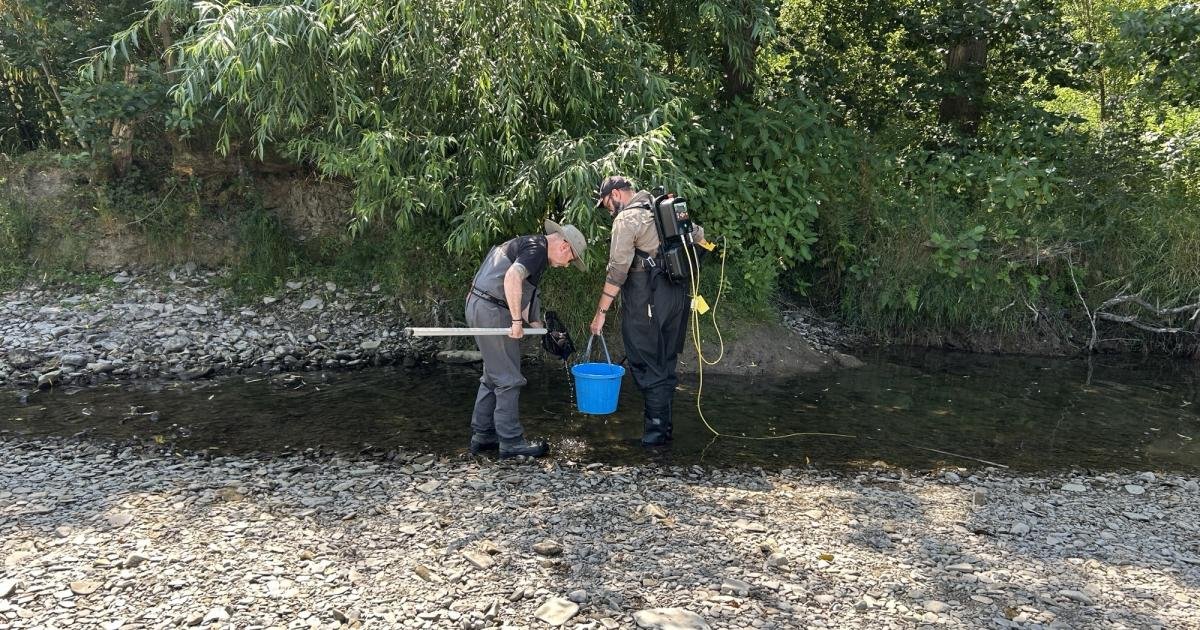
The Environment Agency is responding to the impacts of low water levels on wildlife.
On the River Teme and River Onny in Shropshire, fish rescue operations have been carried out where conditions have become unsuitable for fish to survive. Members of the public can report fish in distress to the Environment Agency’s incident hotline on 0800 80 70 60.
Helen Wakeham, Director of Water at the Environment Agency and Chair of the National Drought Group, said: “The hot and dry weather means we are currently using water faster than nature can replenish it.
“A second consecutive summer drought is an exceptionally serious situation and one that will have long-lasting impacts on our environment, wildlife and the economy.
“We want everyone to stay safe and hydrated during the hot weather but every drop we can save is a drop more for nature and agriculture.”
The current drought now means there have been three droughts in the past five years – 2022, 2025 and now 2026.