





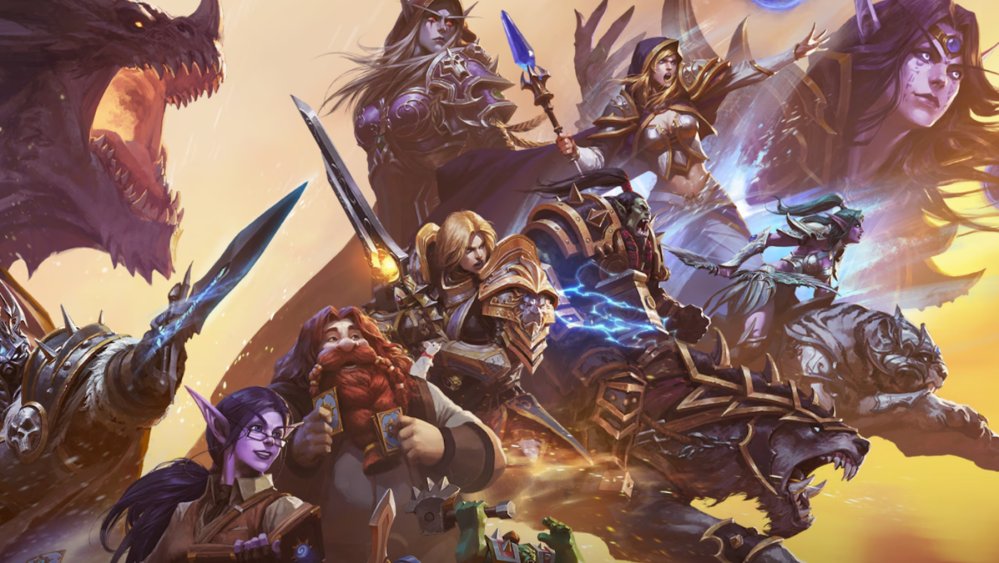
The Evolution of Azeroth: Introducing World of Warcraft Forever
Blizzard Entertainment has officially confirmed the development and upcoming launch of World of Warcraft Forever, a new iteration of its flagship massively multiplayer online role-playing game. Scheduled to debut on November 4, the project aims to transport players back to the inception of the Azeroth experience. By anchoring the game world in the state of the original 2004 release, the development team is looking to recapture the sense of discovery that defined the genre during its early maturation.
The concept, long speculated upon by the community as a “Classic+” expansion, represents a strategic shift in how Blizzard manages its legacy intellectual property. Instead of merely refreshing existing assets, the studio is introducing new mechanics, territories, and narrative elements that exist within the framework of the initial game design. According to Warcraft chief Holly Longdale, the development philosophy for Forever centers on treating the environment as the primary participant in the player experience, emphasizing the methodical nature of the journey rather than a rapid advancement to endgame status.
Technical Foundation and Gameplay Architecture
At its core, World of Warcraft Forever functions as a historical recreation bolstered by modern server infrastructure. The game maintains the established level cap of 60, preserving the original pacing of character progression. By limiting the growth ceiling, the design team ensures that the game remains focused on world exploration and social interaction, which are key pillars of the classic gameplay loop.
Technically, the update utilizes a revised engine architecture that allows for higher fidelity assets without compromising the art direction of the 2004 original. This technical balance allows the game to run on a wider range of hardware configurations while integrating improved lighting effects and draw distances. The implementation of these modern rendering techniques within a legacy environment is intended to maintain visual consistency while removing the technical constraints that limited the original 2004 release.
Content Additions: New Zones and the Skyborn Elves
The expansion of the game world is perhaps the most significant feature for long-time enthusiasts. Upon launch, players will encounter three entirely new zones designed to fit into the geography of the original map. These areas have been crafted to include quest chains and environmental storytelling that align with the early-game narrative arc. Furthermore, the development team has conducted extensive overhauls of several legacy zones, updating spawn points, resource nodes, and quest logic to better facilitate player movement and participation.
Central to this new content is the introduction of the Skyborn Elves. This race adds a distinct character archetype to the game, complete with unique racial traits and visual customization. The inclusion of a new race is a major departure from previous legacy projects, which typically focused on preservation rather than creation. The Skyborn Elves serve to introduce new combat mechanics and aesthetic themes, providing a fresh perspective for players who have already exhausted the traditional race rosters of the early game years.
Warcraft 3 and the Broader Blizzard Roadmap
Beyond the Warcraft MMO, the studio has signaled a renewed commitment to its real-time strategy lineage. The announcement of a new campaign for Warcraft 3—the first of its kind in over twenty years—marks a significant milestone. This campaign, released immediately following the BlizzCon ceremony, provides a bridge between modern players and the narrative roots of the Warcraft franchise. It utilizes the updated engine seen in previous remasters, providing a polished experience while delivering fresh storylines that further develop the series lore.
The event also provided a strategic roadmap for the company’s other core franchises. The announcement of Diablo V, slated for a 2029 release, and a new entry in the StarCraft series, scheduled for 2030, indicates a long-term development strategy. Complementing these gaming projects is a planned animated series based on the Diablo universe, currently in production for Netflix. This multi-platform approach highlights the company’s intent to expand its franchises into serialized media, leveraging its extensive library of characters and world-building to reach broader audiences.
The Impact of Iterative Design on Legacy Gaming
The strategy behind World of Warcraft Forever raises questions about the long-term sustainability of legacy gaming platforms. By evolving a game that is two decades old with new content, Blizzard is testing whether players prefer the predictability of established mechanics or the novelty of new additions. The focus on the “journey” over the “destination” suggests an intentional effort to move away from the high-velocity endgame loops that characterize many modern online games.
This methodology relies on a deep understanding of player engagement metrics. By analyzing how users navigate, interact, and persist in a world that requires manual travel and community cooperation, Blizzard is refining its approach to MMO design. If successful, World of Warcraft Forever could serve as a template for other studios looking to revitalize their legacy catalogs. It demonstrates that providing a platform for discovery, combined with carefully measured injections of new content, can foster a sustained player base long after the initial commercial life cycle of a game has concluded. As the industry looks toward the next generation of titles, the balance between historical appreciation and modern innovation remains the central challenge for large-scale studios.
Disclaimer: This content is auto-generated for informational purposes only.
Source: Read Original News