






Bangladesh PM Calls for “Conducive Environment” with India Amidst Hasina Extradition Plea
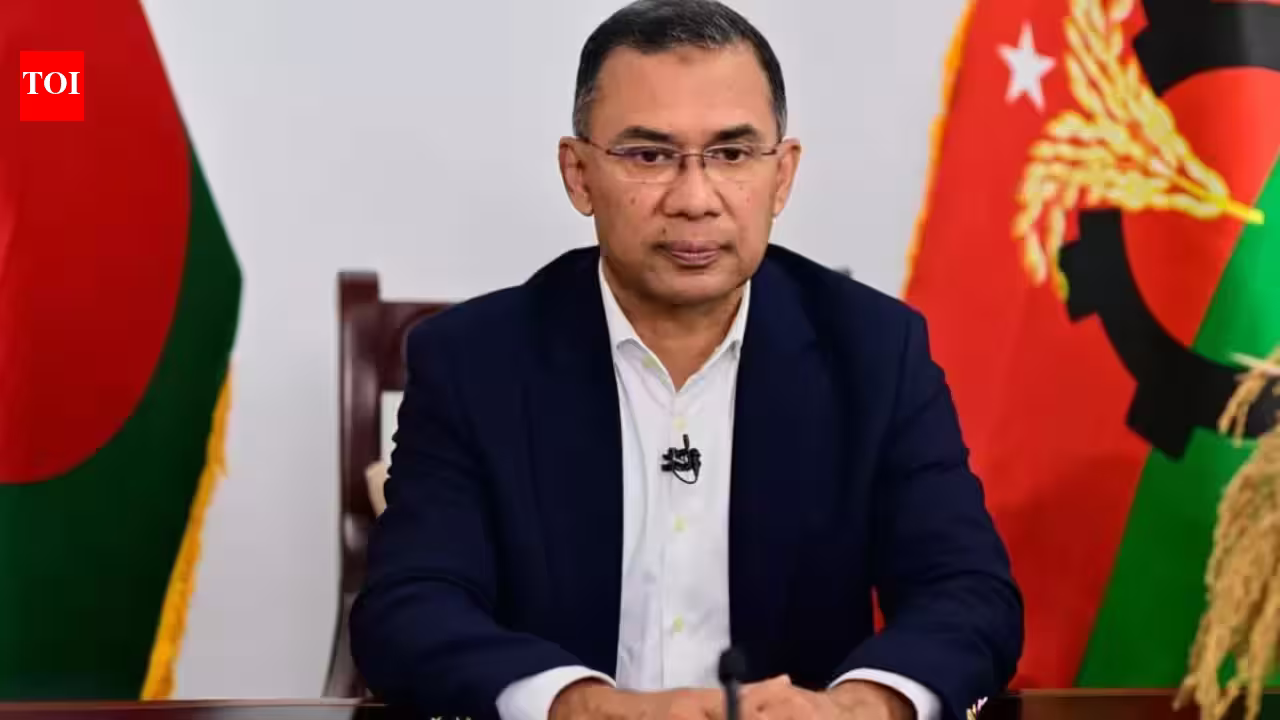
Bangladesh Prime Minister Tarique Rahman has issued a clear call for a “conducive environment” to strengthen ties with India, a statement made amidst Dhaka’s persistent request for the extradition of former Prime Minister Sheikh Hasina.
The remarks came during PM Rahman’s inaugural meeting with India’s new High Commissioner to Bangladesh, Dinesh Trivedi, on Monday. This crucial interaction unfolds as Rahman’s six-month-old government navigates the delicate balance of stabilizing relations with its influential neighbor while simultaneously addressing a range of contentious issues that emerged following Hasina’s ouster in August 2024.
According to a statement from the Prime Minister’s Office, Rahman “emphasised the need to create a conducive environment to further advance the bilateral relations between the two countries.” Central to these discussions was Dhaka’s reiterated appeal to New Delhi to expedite the extradition of Sheikh Hasina.
Hasina, who has been residing in India since the collapse of her administration, faces severe legal challenges in Bangladesh, including a death sentence handed down in November. The issue of her extradition has gained significant urgency following her recent public appearance. In an online audio conference—her first media interaction since leaving Bangladesh—Hasina declared her intention to return to her homeland in December.
This announcement reignited concerns in Dhaka regarding her continued presence and political activities on Indian soil, drawing a strong rebuke from the Bangladeshi foreign ministry. The ministry expressed deep hurt and outrage at India’s decision to permit Hasina to address the event. India, for its part, has confirmed it is examining Dhaka’s extradition request in strict adherence to its legal and judicial procedures.
The meeting between PM Rahman and High Commissioner Trivedi underscores a mutual desire to maintain open diplomatic channels. In a post on X, the Indian High Commission reaffirmed India’s commitment to collaborating with Bangladesh in a “positive, constructive and forward-looking manner.”
ALSO READ | Is Bangladesh’s turmoil making Sheikh Hasina politically relevant again?
What Hasina Said: A Perspective on Her Ouster
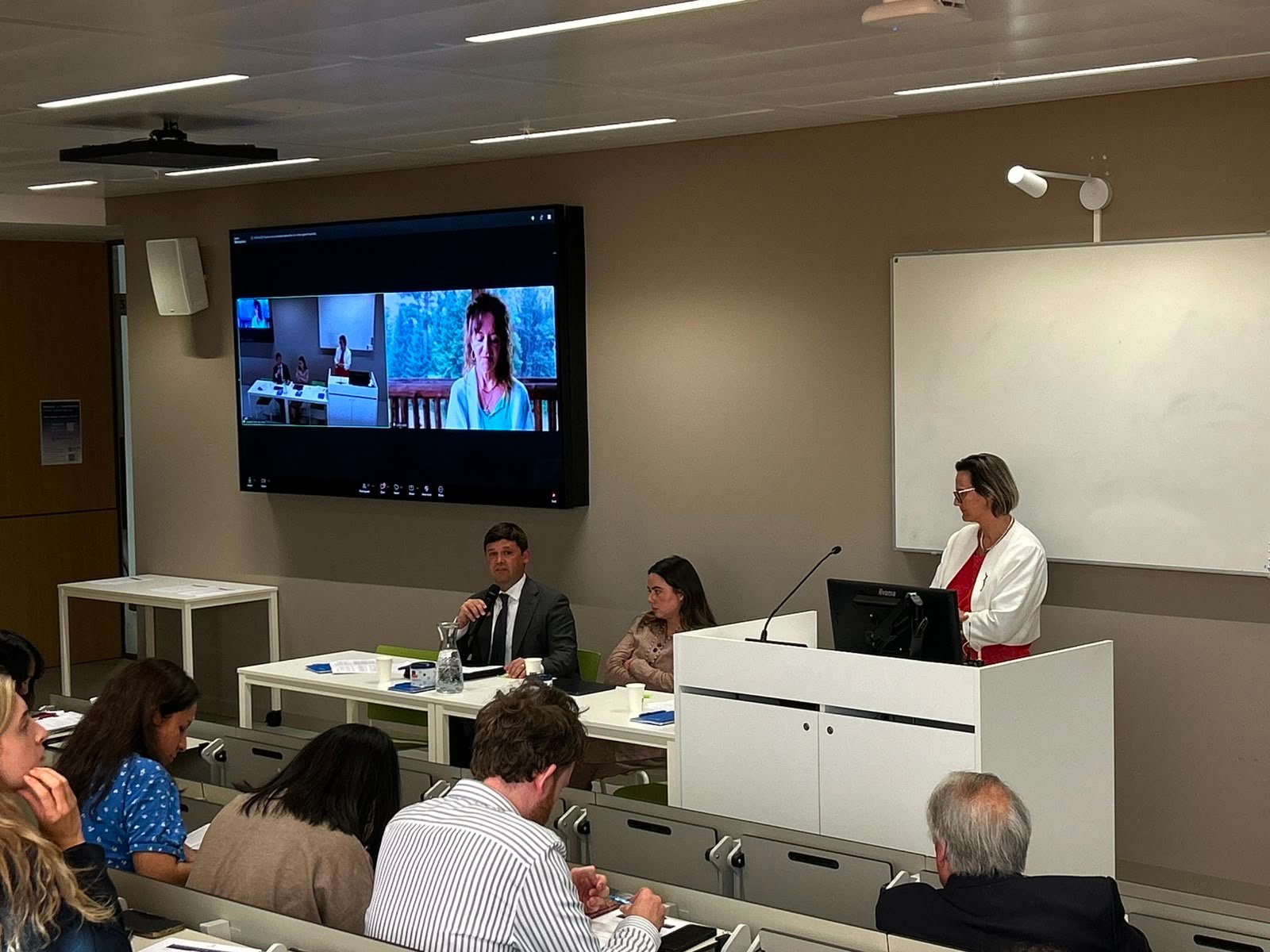
During her first public press conference since her removal two years ago, former Bangladesh PM Sheikh Hasina reiterated her unwavering determination to return to her country by year-end. Addressing the media virtually from Delhi, Hasina presented her interpretation of the events that led to her departure from Bangladesh. She asserted that a conspiracy was orchestrated to mislead genuine students who protested against her government, ultimately leading to its dissolution.
Hasina highlighted the violent nature of the 2024 upheaval, detailing how hundreds of offices belonging to her Awami League party were vandalized, homes of Awami leaders were torched, policemen attacked and killed, and thousands of Awami supporters assaulted and murdered. She pointed out that, despite this widespread violence, the Muhammad Yunus-led interim government subsequently passed an indemnity ordinance, later codified into law, to shield the perpetrators of these violent protests.
“I, myself, had instituted a judicial inquiry commission to investigate all the cases of violence independently, so that the truth could be known. But after the Yunus regime seized power, they stopped the work of the commission. If they had nothing to hide, why would they prevent the inquiry?” Hasina questioned. She further alleged ongoing violence and persecution under the current BNP-led government, claiming that at least 10,000 Awami leaders and workers have been killed or have disappeared. “Many Awami leaders, intellectuals and workers also continue to languish in jail without due process or trial, and they have been subjected to torture and denial of their legal rights.”
Hasina’s son and senior Awami leader, Sajeeb Wazed Joy, who joined the press conference virtually from the US, specifically emphasized the contentious indemnity law. “None of the police killings, per the indemnity law, can be prosecuted. So, my question is this: Are killings acceptable? If you can have blanket immunity for protesters who killed police officers, killed civilians and Awami League members and leaders, then why blame anybody?” Joy remarked, highlighting the perceived injustice.
ALSO READ | Indian envoy meets Bangladesh PM Tarique Rahman days after Sheikh Hasina’s address in Delhi