







The End of the “Dumb” Screen: Why Your Computer Monitor Is Becoming a Privacy Nightmare
For years, privacy-conscious consumers have viewed the computer monitor as the final bastion of simplicity in a world of invasive hardware. While smart TVs have devolved into data-harvesting machines—complete with persistent home-screen ads, mandatory account requirements, and constant behavioral tracking—the humble PC monitor remained a “dumb” device: a plug-and-play conduit for your signal, nothing more.
But that refuge is rapidly eroding. As manufacturers look for new ways to monetize their hardware post-purchase, monitors are increasingly adopting the aggressive tactics once reserved for smart TVs, turning what should be a passive display into a potential security and privacy liability.
The Rise of Stealth Software
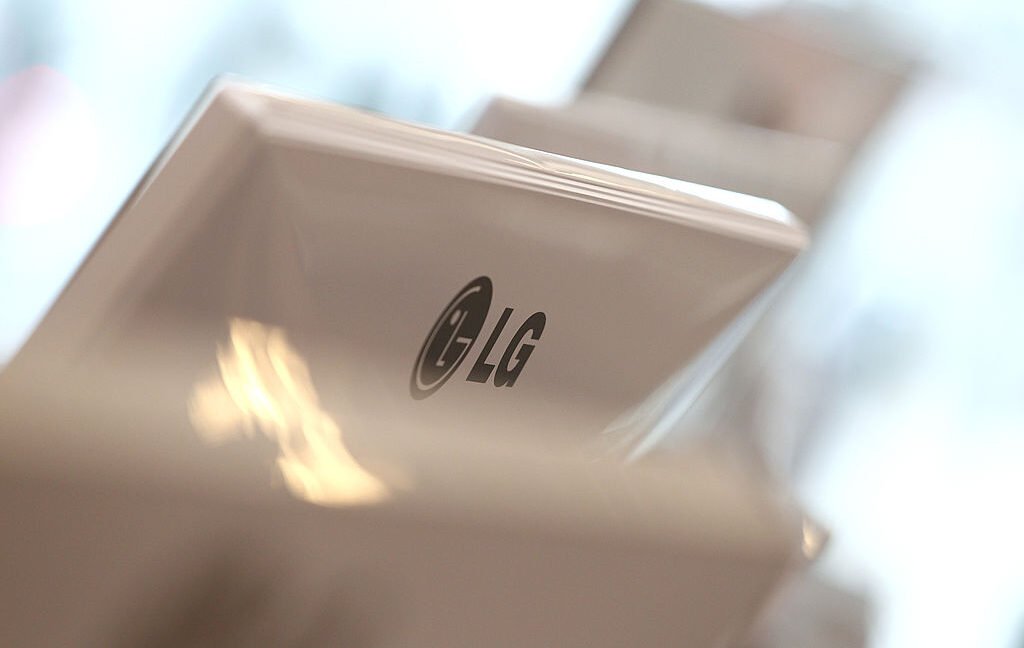
The most egregious example of this trend involves LG, which recently faced backlash after reports confirmed that some of its monitors were silently installing “LG Monitor App Installer” software onto connected Windows PCs. These installations often occurred under the guise of driver updates pushed through Windows Update, bypassing explicit user consent.
While LG maintains that the software exists to help customers access display-specific features, the reality has been far more intrusive. Users discovered that the installer was being used to push pop-up advertisements for third-party security software, specifically McAfee.
The clandestine nature of the installation process sparked significant outcry, forcing Microsoft to intervene and require LG to strip the McAfee ads from its installer. While the immediate threat has been mitigated, the incident highlights a troubling precedent: peripheral hardware manufacturers now view the connected PC as a new billboard for third-party software.
A Gateway for Data Collection?
The “LG Monitor App Installer” is not just an ad-delivery vehicle; it is a piece of software with broad permissions. According to its listing on the Microsoft Store, the application claims the ability to utilize “all system resources” and access the user’s internet connection.
This level of access has raised valid concerns regarding data privacy. While the app’s current privacy policy asserts that it does not collect, store, or share personal information, it includes a cautionary caveat: if future updates introduce data-processing features, those policies could change. For privacy advocates, the inclusion of such “future-proofing” language in a device driver or utility tool is a major red flag.
The “Smart” Creep
This trend is not isolated to a single manufacturer. As the industry faces intense pressure to bolster margins, ads and tracking are becoming the standard business model for consumer electronics. When monitors begin to function less like passive displays and more like “smart” appliances, the user loses the fundamental control over their workspace that made desktop computing a preferred alternative to the smart TV ecosystem.
The current landscape leaves consumers in a difficult position. Without standardized, transparent privacy policies and a industry-wide moratorium on unsolicited software installations, the line between a computer monitor and a data-hungry smart device is becoming dangerously thin.
For now, the advice for those seeking a truly private setup remains the same: scrutinize the software bundled with your hardware, monitor your network traffic, and be wary of any “convenience” apps that demand deeper access to your computer than a display should ever require. As the industry pushes forward, the quest for a “dumb” monitor may soon become as difficult as finding a “dumb” TV.