





Jagtar Singh Johal Released on Bail After Nine Years in Indian Custody
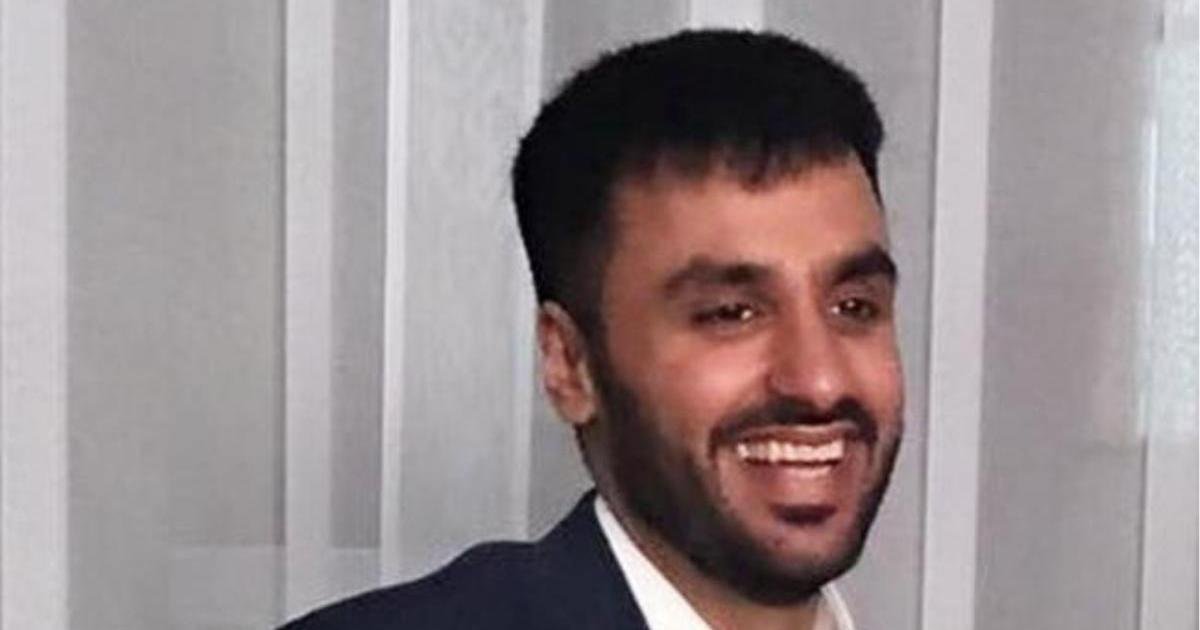
After spending nearly nine years behind bars without a conviction, Jagtar Singh Johal, a British national from Scotland, has finally walked out of an Indian prison. His release, confirmed by the human rights organization Reprieve, marks a significant but incomplete chapter in a protracted legal struggle that has drawn international attention.
Johal, 39, was arrested in Punjab in 2017, just weeks after his wedding. At the time, his family reported that he was seized and taken away in an unmarked vehicle. Since then, he has remained in detention, facing a series of serious charges, including allegations of involvement in terror-related plots—accusations that he and his supporters have consistently denied.
A Long Road to Conditional Freedom
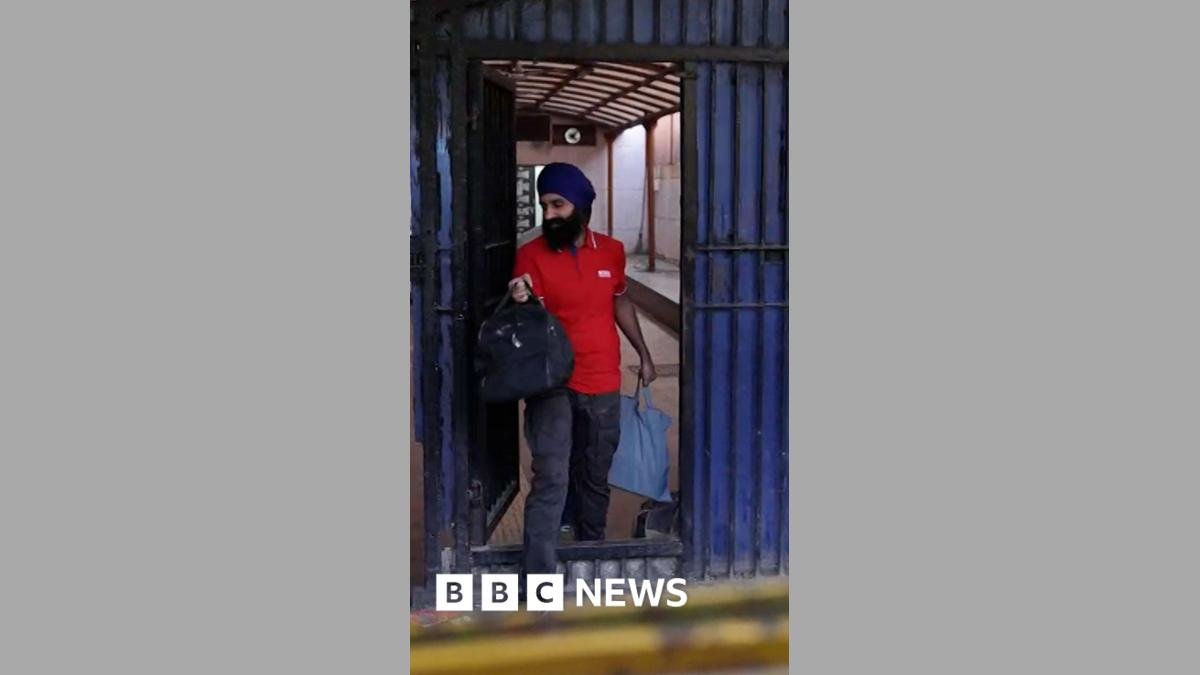
The road to his release was fraught with bureaucratic obstacles. While the Delhi High Court granted him bail on September 18, overturning a previous 2024 ruling, the transition to freedom was not immediate. According to his brother, Gurpreet Singh Johal, authorities delayed his release for two weeks, forcing the family to file a habeas corpus petition. It was only after a judge threatened prison officials with contempt of court that Johal was finally processed and allowed to leave the facility.
Despite the joy of his release, the terms of his freedom are stringent. Johal has been required to surrender his passport and must remain in India to face ongoing trials. The threat of capital punishment continues to loom over his head, as he remains embroiled in federal cases that legal experts warn could stretch on for years.
Allegations of Torture and Human Rights Concerns
The core of the case against Johal has faced intense scrutiny from global observers. His family maintains that his detention was a direct retaliation for his activism, specifically his online commentary regarding human rights abuses against the Sikh community.
Throughout his imprisonment, Johal has alleged that he was subjected to brutal mistreatment, including the use of electric shocks, to coerce him into signing a confession regarding an alleged assassination plot. These claims have been echoed by United Nations experts, who have labeled his confinement an act of “arbitrary detention” and a form of “psychological torture.” While Indian authorities have maintained that due process has been strictly followed and have dismissed the torture claims, the case has become a major point of friction in diplomatic relations.
Political Reactions and the Path Ahead
The release has been met with relief by political figures in the UK. Scotland’s First Minister, John Swinney, described the news as a “significant step forward,” noting the immense difficulty the family has endured over the last nine years. While Swinney acknowledged the necessity of respecting the Indian judicial process, he expressed a clear desire for Johal to be allowed to return home to Scotland.
For the family, the fight is far from over. Gurpreet Singh Johal emphasized that while he is grateful his brother is no longer in a prison cell, the reality of the trial remains a constant pressure. “The fight continues,” he stated, urging the UK government to intensify its efforts to resolve the situation and secure a path for Johal’s return to his home country. As of now, Jagtar Singh Johal remains in India, living under restrictive conditions, awaiting a judicial conclusion to a saga that has already consumed nearly a decade of his life.
Disclaimer: This content is auto-generated for informational purposes only.
Source: Read Original News