







Air India Seeks $1.5 Billion Capital Injection as Record Losses Mount
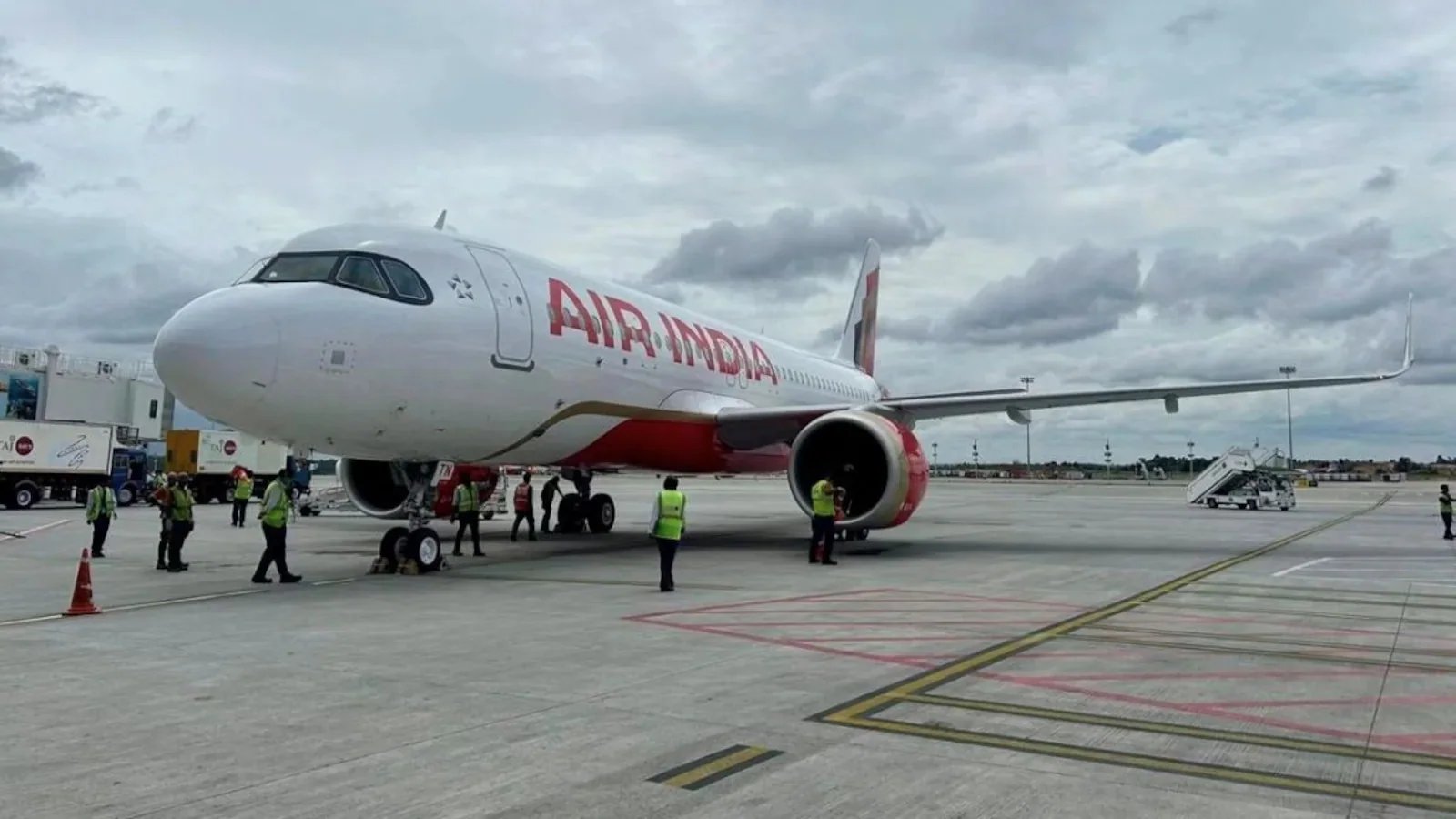
NEW DELHI: Air India is reportedly seeking a significant $1.5 billion capital injection from its parent company, Tata Sons, and joint venture partner, Singapore Airlines. The request comes as the airline grapples with a deepening financial crisis, highlighted by a record-breaking annual loss that has cast a shadow over its ambitious multi-year transformation plan.
According to people familiar with the matter, the proposal marks one of the most substantial requests for shareholder funding since the Tata Group re-acquired the formerly state-owned carrier in 2022. The requested funds are intended to provide critical liquidity as the airline undertakes a massive overhaul of its operations, which includes the extensive refurbishment of its aging fleet and the integration of new, more efficient aircraft.
A Steep Financial Mountain
The financial strain on the airline has become increasingly apparent. In the fiscal year ending March 2024, Air India—along with its low-cost subsidiary, Air India Express—posted combined losses totaling $2.33 billion. This figure represents more than double the losses reported in the previous fiscal year, a trend that has begun to impact the balance sheets of its stakeholders, including Singapore Airlines.
Sources indicated that the airline is looking for an immediate infusion of cash, though it is anticipated that the funding will be distributed in tranches. For the investment strategy to proceed, Singapore Airlines, which currently holds a 25% stake in the carrier, would be required to contribute its proportionate share of the capital.
Navigating Strategic Headwinds
The quest for fresh equity arrives at a pivotal time for the Tata Group. N. Chandrasekaran, Chairman of Tata Sons, is slated to step down in February following reported internal friction regarding the airline’s persistent losses. Chandrasekaran has previously tempered expectations, noting that the “turnaround” process for a carrier of Air India’s legacy—plagued by antiquated systems, outdated corporate culture, and supply-chain bottlenecks—could take up to a decade to fully materialize.
Compounding these internal challenges are external geopolitical factors. Air India’s international route network has been hampered by Pakistan’s airspace restrictions, ongoing conflict in the Middle East, and the lingering repercussions of a tragic accident last year.
Scaling Back Ambitious Orders
In a bid to manage costs and stabilize its finances, Air India has reportedly moved to defer deliveries of hundreds of aircraft previously ordered from industry giants Airbus and Boeing. The move reflects a broader strategic shift as the airline attempts to reconcile its aggressive growth targets with the harsh reality of its current fiscal performance.
While both Tata Sons and Air India have declined to comment on the funding request, Singapore Airlines issued a brief statement affirming its commitment to the partnership. “We are working closely with Tata Sons to support Air India’s transformation programme,” a spokesperson stated, while declining to address specific details regarding the airline’s financial requests.
As the situation develops, industry analysts suggest that due to the massive scale of the structural changes required, the airline may face a long road ahead, likely necessitating further capital support in the coming years. For more details on the unfolding story, you can read the original report on Air India.