






Amiga Spirit Lives On: AROS Now Boots Bare-Metal on Raspberry Pi
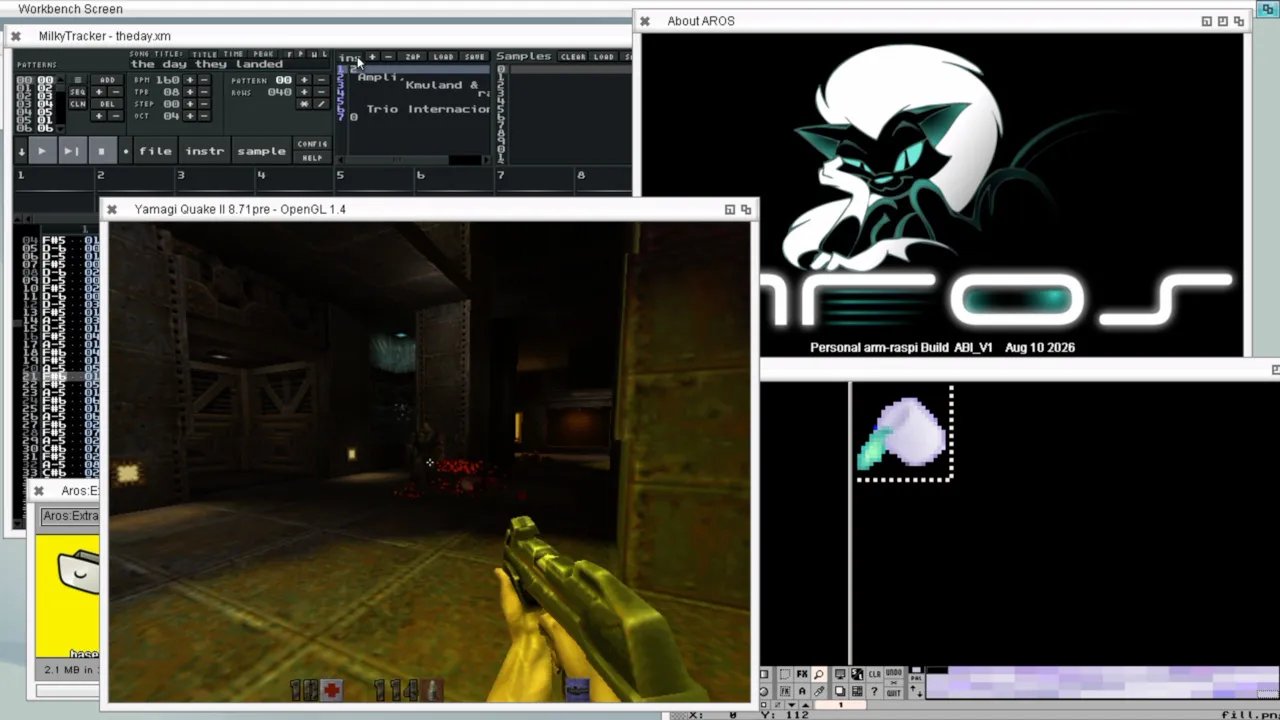
For enthusiasts of the classic Amiga platform, the quest to keep the spirit of Commodore’s iconic computer alive has taken a massive leap forward. The AROS Research Operating System—an open-source project designed to be binary-compatible with AmigaOS—has officially achieved bare-metal status on the Raspberry Pi, supporting both 32-bit and 64-bit ARM architectures.
This milestone marks a significant shift in how the community interacts with the legacy OS. Previously, running AROS on a Raspberry Pi required a layer of virtualization atop Linux, effectively trapping the OS in the familiar territory of emulation. By moving to bare-metal, developers have enabled the platform to boot directly on the hardware, offering lightning-fast boot times that rival the legendary efficiency of RISC OS.
A Legacy Untethered
AROS has long been the champion of the “Amiga anywhere” philosophy. Over the years, the project has successfully ported its environment to a wide array of architectures, including x86, PowerPC (which heavily informed the development of MorphOS), and even a back-port for original 68k Amiga hardware. There is even a burgeoning build for the RISC-V architecture, proving that the AROS community is committed to ensuring the Amiga legacy never fades into obsolescence.
As noted by those tracking the progress of this Amiga-inspired AROS build, this development is more than just a novelty. It provides users with a lightweight, responsive operating system that feels distinctly “Amiga” without the constraints of aging 40-year-old hardware.
Early Days, High Potential
While the project is currently in the early stages of development, the performance is already turning heads. Retro-computing enthusiast Dan Wood recently showcased the port in action, highlighting the snappy interface and the potential for a new generation of hobbyists to engage with Amiga-style computing on modern, affordable hardware.
As it stands, the build is primarily optimized for the Raspberry Pi 3, though active discussions within the AROS community suggest that support for the Raspberry Pi 4 and the compact Zero 2 W is already on the horizon. While the current ARM-compiled software library is not yet as robust as its x86 counterpart, the community remains optimistic that as adoption grows, more developers will recompile and port their favorite tools to take advantage of the Pi’s efficient ARM architecture.
For those eager to get their hands on a system that refuses to “let go” of the past, this bare-metal port represents an exciting future. It is a time of wonders indeed for anyone who believes that great operating systems shouldn’t be tied to any single piece of silicon.