







The Convergence of Portable Imaging and Wildlife Observation
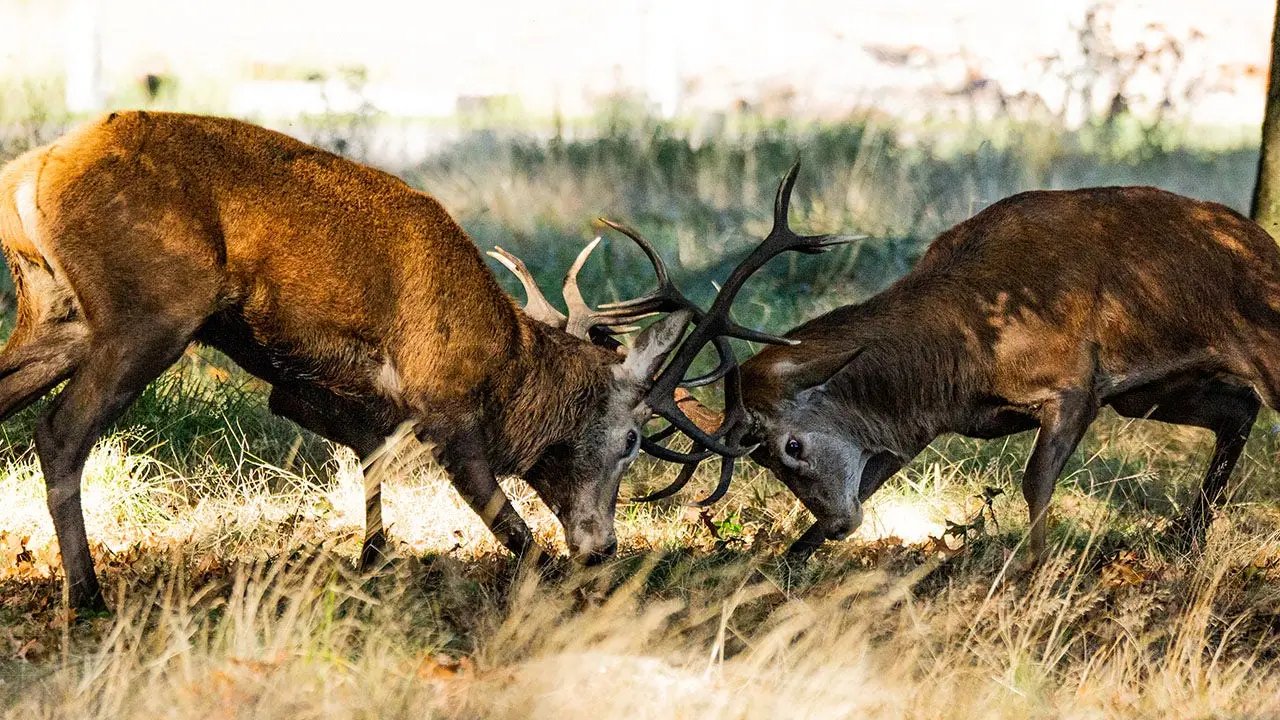
The recent viral footage of deer engaged in a territorial struggle within Redwood National Park highlights a significant shift in how outdoor enthusiasts interact with the natural world. Previously, witnessing such events required patience, specialized camera equipment, and often a degree of professional expertise. Today, the ubiquity of high-resolution smartphone cameras has democratized the ability to document rare biological behaviors. This transition relies on advancements in sensor technology and image stabilization algorithms that allow casual users to capture professional-grade footage during unpredictable events.
Modern mobile devices utilize computational photography—a fusion of optics and sophisticated software—to maintain clarity even when subjects are in rapid motion or in challenging lighting conditions, such as the shaded canopy of a dense forest. As seen in the Redwood incident, the ability to record 4K video instantly provides an unprecedented digital archive of wildlife activity that was once lost to history. This hardware accessibility bridges the gap between passive observation and active documentation, transforming every hiker into a field researcher of sorts.
Computational Photography in Low-Light Forest Environments
One of the primary challenges when recording wildlife in environments like the Redwood National Park is the significant variance in light. The dense forest canopy creates high-contrast environments where a subject may move rapidly between bright shafts of sunlight and deep shadows. Smartphone manufacturers have addressed these challenges through advanced High Dynamic Range (HDR) processing. These algorithms merge multiple exposures into a single frame, ensuring that the details of the deer’s anatomy and the forest background remain visible.
Furthermore, the integration of optical image stabilization (OIS) and electronic stabilization (EIS) has become critical. In a high-adrenaline situation, such as watching two massive bucks tumble down a hillside, human error and hand tremors are inevitable. Software-driven stabilization crops and adjusts frames in real-time to smooth out jerky movements, resulting in clear, watchable footage. This technical refinement ensures that the impact of the encounter is preserved with a level of detail that was difficult to achieve with consumer hardware only a decade ago.
Digital Platforms as Social Observatories
Technology’s influence extends beyond the recording device. The distribution of this content on social platforms has fundamentally altered the community experience of nature. Digital platforms serve as a centralized hub where users from diverse backgrounds analyze and contextualize wildlife behavior. This collective intelligence, while often lighthearted, provides a mechanism for real-time peer review. When a user posts a video of rutting season behavior, the subsequent comment section often functions as a collaborative knowledge base where individuals share insights about biology, ecology, and environmental safety.
The rapid dissemination of such videos also serves as an educational tool, despite the informal nature of the commentary. By bringing these moments to a global audience, digital ecosystems encourage a broader interest in conservation and wildlife awareness. The social aspect of this technology—the ability to share, discuss, and critique events instantly—creates a bridge between the physical reality of the outdoors and the hyper-connected nature of our digital existence.
Data Analytics and Safety in Wilderness Areas
The incident in the Redwood forest also raises valid questions regarding the proximity of technology users to wildlife. While the technical ease of filming is a net positive for observational data, it carries a potential for distraction. Mobile devices can inadvertently create a false sense of security or detachment, causing users to overlook standard safety protocols. Modern wearable technology and integrated GPS systems, however, are beginning to provide solutions. Advanced mapping apps and push notifications from park services can provide real-time alerts about local wildlife activity or hazardous conditions, ensuring that those out to witness nature remain informed and safe.
The intersection of mobile connectivity and outdoor exploration has effectively turned the wilderness into a dynamic, data-rich landscape. As users increasingly rely on mobile tools for navigation, communication, and recording, the data generated by these experiences can contribute to a better understanding of animal patterns and human-wildlife interactions. When leveraged correctly, this technology serves to enhance, rather than diminish, the experience of being in the wild.
The Role of Distributed Content in Natural Science
The value of user-generated content in the context of scientific outreach cannot be understated. Professional wildlife cinematography is often limited by location, budget, and time. Conversely, the vast network of individuals carrying recording devices creates a global grid of observation. When hikers capture high-stakes biological interactions, they provide researchers with localized samples of behavior that might otherwise go undocumented. This distributed collection of media provides a massive dataset that, while anecdotal, adds layers to our understanding of how species interact in their natural habitats.
This digital phenomenon reflects a larger trend: the evolution of the amateur observer. As hardware continues to improve, the quality of this data will only increase. With the integration of artificial intelligence for species identification and motion tracking, mobile devices are evolving from simple cameras into comprehensive tools for personal discovery. Ultimately, the ability to record, analyze, and share these raw, unscripted moments of nature fosters a deeper connection to the environment, proving that technology, when used as an observational aid, plays an essential role in documenting the intricacies of the natural world.
Disclaimer: This content is auto-generated for informational purposes only.
Source: Read Original News