









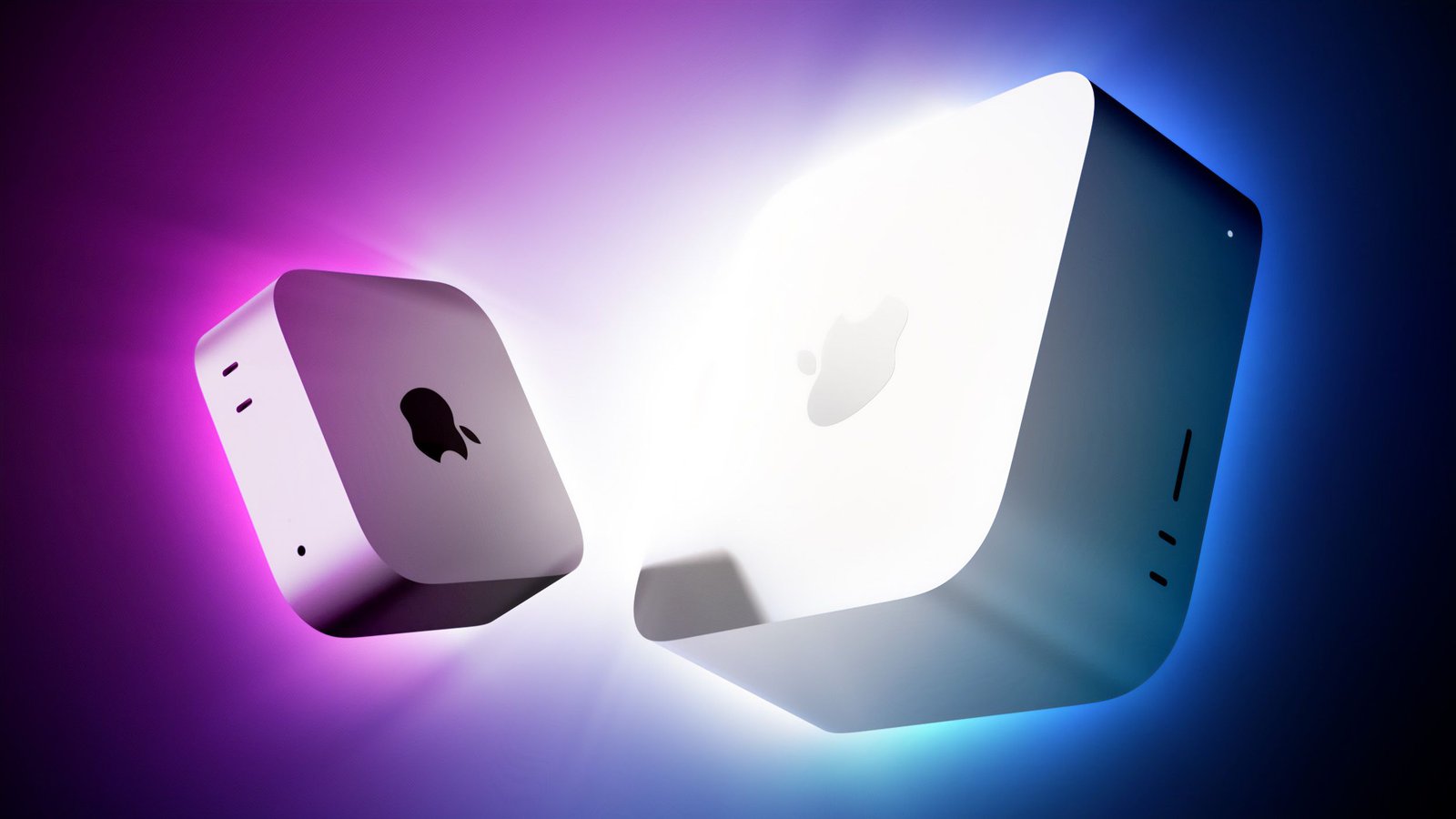
Apple Accelerates Mac Studio and Mini Refresh Driven by Surging Enterprise AI Demand
Apple has broken its traditional autumn hardware cycle, launching new iterations of the Mac mini and Mac Studio weeks ahead of schedule. The uncharacteristic move, detailed in a report by The Information, underscores a major strategic shift as the tech giant grapples with an unexpected, AI-driven feeding frenzy within the enterprise sector.
While Apple typically reserves its desktop hardware updates for October or November—often coordinating with the launch of new iPhone models—the company moved early this year to capitalize on a massive surge in corporate interest. The primary driver behind this shift is the intense appetite among businesses and developers for hardware capable of running “frontier” AI models locally.
A Pivot to the Enterprise
The emphasis on high-performance computing was evident in Apple’s recent marketing, which has increasingly highlighted the ability to cluster multiple Mac Studios together. By allowing these units to function as a singular, highly powerful system, Apple is directly positioning its desktop hardware as a viable alternative for companies looking to manage complex AI workloads without relying solely on massive, centralized data centers.
This strategic pivot was underscored in June at Apple’s “Business at the Park” event, where executives from major corporations including Ford, Disney, and the AI research firm Anthropic gathered. Reports from the event indicated that the compact yet powerful Mac mini became the “darling” of the crowd, highlighting a newfound corporate appreciation for Apple’s silicon.
Stumbling Into Success
Despite this sudden success, the report suggests that the demand took Cupertino largely by surprise. Internally, Apple reportedly lacked a dedicated engineering team tasked with supporting business-to-business (B2B) needs, as well as an established enterprise-focused AI strategy.
When major corporate clients approached Apple requesting direct access to the company’s “Private Cloud Compute” infrastructure, they were reportedly turned away. Instead, Apple has been forced to rely on third-party partners like WebAI and Mount Thor, which specialize in providing AI tools and execution environments tailored specifically to Apple’s hardware ecosystem.
Supply Chain Hurdles and Competition
The race to meet this enterprise demand is being hampered by the global memory shortage, which has persisted for months and left many high-end Mac mini and Mac Studio configurations perpetually out of stock.
The result has created an opening for competitors. As frustrated enterprise customers wait months for supply, some are shifting their budgets toward alternatives like Nvidia’s DGX Spark. Launched late last year, the Nvidia device offers a form factor similar to the Mac mini but is optimized specifically for the rapid deployment of AI tasks, putting direct pressure on Apple to stabilize its supply chain.
Ultimately, the unexpected Mac mini and Studio demand has forced Apple into a new arena. Whether the company can scale its enterprise infrastructure and manufacturing capacity fast enough to secure its place in the corporate AI landscape remains the critical question as the year progresses.