








Granting the Rhine Legal Personhood: A New Frontier in Environmental Conservation
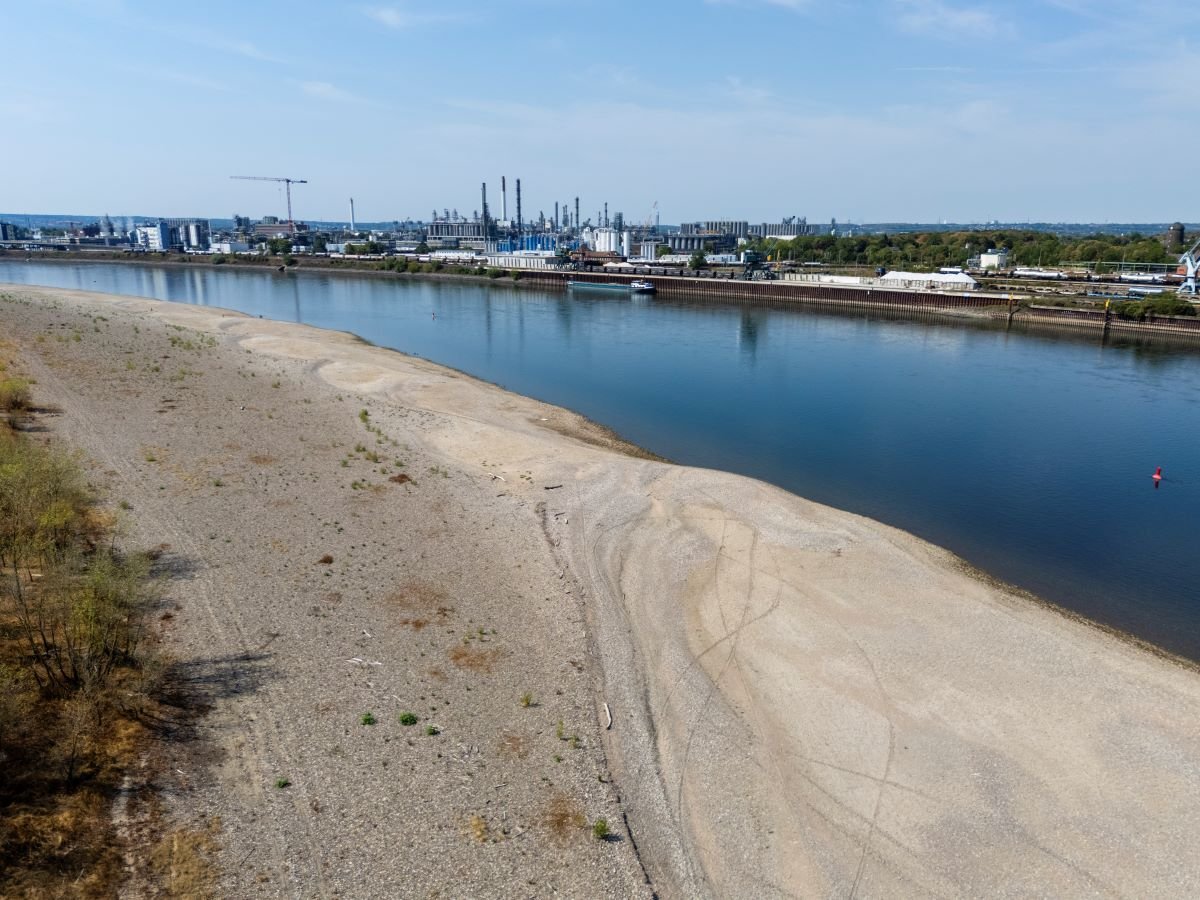
As the global movement to bestow legal rights upon natural ecosystems gains momentum, Europe’s most iconic waterway is poised to become the latest test case. Advocates are pushing for the Rhine to be granted a formal legal status, a move that would fundamentally shift how the river is managed and protected against industrial and environmental threats.
The core of this proposal lies in the concept of “legal personhood” for nature. By recognizing the Rhine as a legal entity rather than mere property or a natural resource, proponents argue that the river could be represented in court by designated guardians. These representatives would be empowered to initiate legal action on behalf of the waterway, holding polluters accountable and challenging infrastructure projects that jeopardize its ecological health.
Moving Beyond Conservation
For decades, the Rhine has been protected through international treaties and intergovernmental commissions. While these frameworks have succeeded in reducing industrial pollution—most notably since the catastrophic Sandoz chemical spill of 1986—critics argue that traditional environmental laws are insufficient in the face of climate change and biodiversity loss.
“Granting the Rhine legal status would allow representatives to defend the waterway in court,” explains a policy analyst familiar with the ongoing legislative debates. This shift would mark a transition from a system where nature is a silent victim to one where the river has a voice within the judicial system.
A Global Movement
The push for the Rhine follows similar, high-profile successes around the world. From the Whanganui River in New Zealand—which became the first in the world to be granted legal personhood in 2017—to the Atrato River in Colombia, the concept is transforming international environmental law. As rivers gain rights, advocates hope that these legal precedents will create a ripple effect, forcing nations to prioritize the long-term vitality of ecosystems over short-term economic gains.
The Path Forward
The proposal is not without its hurdles. Skeptics point to the complexities of defining “representation” for a river that traverses multiple borders and jurisdictions. Determining who serves as the voice of the Rhine—and ensuring that their actions remain transparent and accountable—will be a primary focus for lawmakers in the coming months.
However, for environmentalists and local communities living along its banks, the move represents a necessary evolution. By legally entrenching the river’s right to exist, flourish, and regenerate, the Rhine could serve as a blueprint for European conservation, setting a precedent that places the health of the continent’s arteries at the heart of the legal order.