








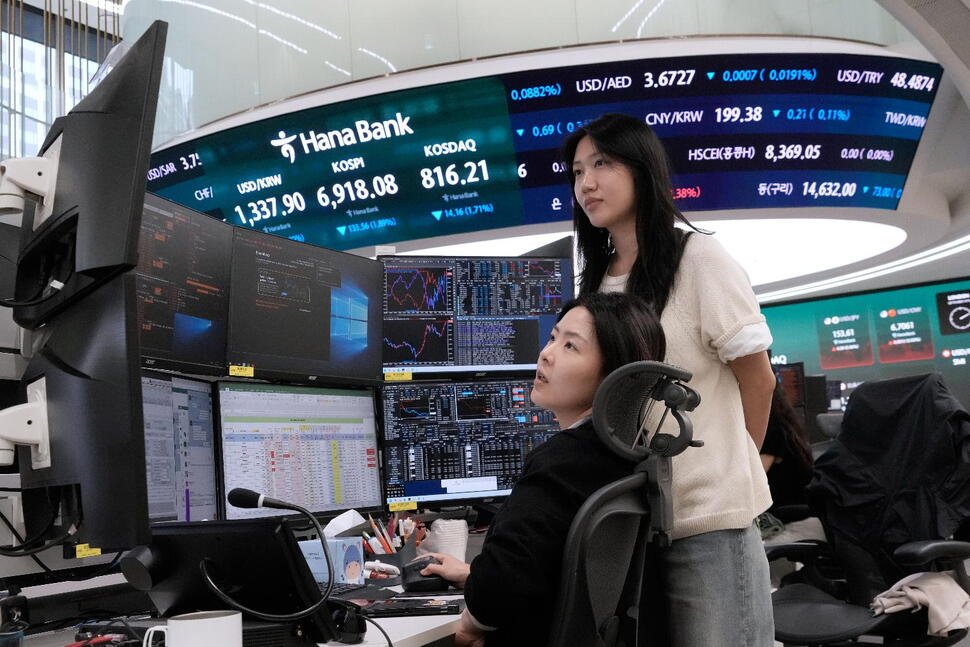
Asian markets saw a broad retreat on Thursday as global investors grappled with the compounding pressures of geopolitical instability in the Middle East and renewed inflation fears. The regional downturn followed a sluggish session on Wall Street, where concerns over energy costs and rising bond yields continued to dampen market sentiment.
## Geopolitical Friction Fuels Energy Crisis
The primary catalyst for the market malaise remains the escalating conflict between the United States and Iran. With fresh military engagements, including the destruction of five Iranian tankers earlier this week, the vital Strait of Hormuz has essentially become a no-go zone. Given that roughly one-fifth of the world’s oil supply historically transits this waterway, the resulting bottleneck has pushed Brent crude prices back above $100 a barrel for the first time since mid-summer.
The energy surge is creating a difficult environment for the broader economy. U.S. gasoline prices have climbed 32% year-over-year, hitting $4.22 per gallon, while diesel prices have reached record highs, compounding the costs for the global shipping and logistics sectors. President Donald Trump indicated on Wednesday that relief at the pump may not materialize until after the upcoming midterm elections, leaving investors to prepare for a prolonged period of high energy expenses.
## Tech Sector Divergence Amid Market Gloom
While the broader market struggled—with retailers like Amazon, Starbucks, and Home Depot all recording losses—the technology sector provided a rare bright spot. Shares of Meta Platforms surged 6.6% following the launch of “Muse,” a sophisticated personal artificial intelligence agent.
Designed for users aged 18 and older, Muse represents a significant pivot for the tech giant, aiming to streamline daily productivity by assisting with scheduling, personal organization, and shopping. This move highlights an intensifying arms race in the AI sector, as companies like Microsoft and Amazon also accelerate the deployment of agentic AI. While traditional retail stocks are being squeezed by rising operational and shipping costs, the tech sector’s focus on automation and AI integration continues to offer a compelling growth narrative for long-term investors.
## Inflation Data and the Bond Market Outlook
Market participants are now bracing for a barrage of economic data. Later Thursday, the U.S. will release the Producer Price Index for August, followed by the highly anticipated Consumer Price Index (CPI) report on Friday. Analysts widely expect both reports to confirm that inflation is holding stubbornly above the Federal Reserve’s 2% target, hovering closer to 3%.
Compounding this uncertainty is the performance of the bond market. Treasury yields gained ground Wednesday after the U.S. Treasury Department confirmed plans to repurchase up to $6 billion in long-term debt. This initiative, intended to stabilize the market and curb rising yields, had the immediate effect of raising borrowing costs for corporations. As yields climb, the appeal of equities—particularly in capital-intensive sectors—is diminished, forcing a rotation out of stocks and into fixed-income alternatives.
In Asian trading, the pressure was universal. The Nikkei 225 in Tokyo dropped 0.8%, the Hang Seng in Hong Kong fell 1.4%, and Australia’s S&P/ASX 200 slid 1.5%. As the week draws to a close, the combination of stubborn inflation, higher interest rates, and the unpredictable nature of the conflict in the Strait of Hormuz remains the dominant narrative, suggesting that market volatility will persist in the near term.
Disclaimer: This content is auto-generated for informational purposes only.
Source: Read Original News