






From the expansion of high-tech medical research facilities to the completion of massive infrastructure projects powered by modern traffic management systems, the Austin metropolitan area is experiencing a period of rapid evolution. As these physical developments reshape the landscape, the integration of data-driven planning and digital connectivity remains at the forefront of the region’s growth.
## Healthcare Innovation and Infrastructure
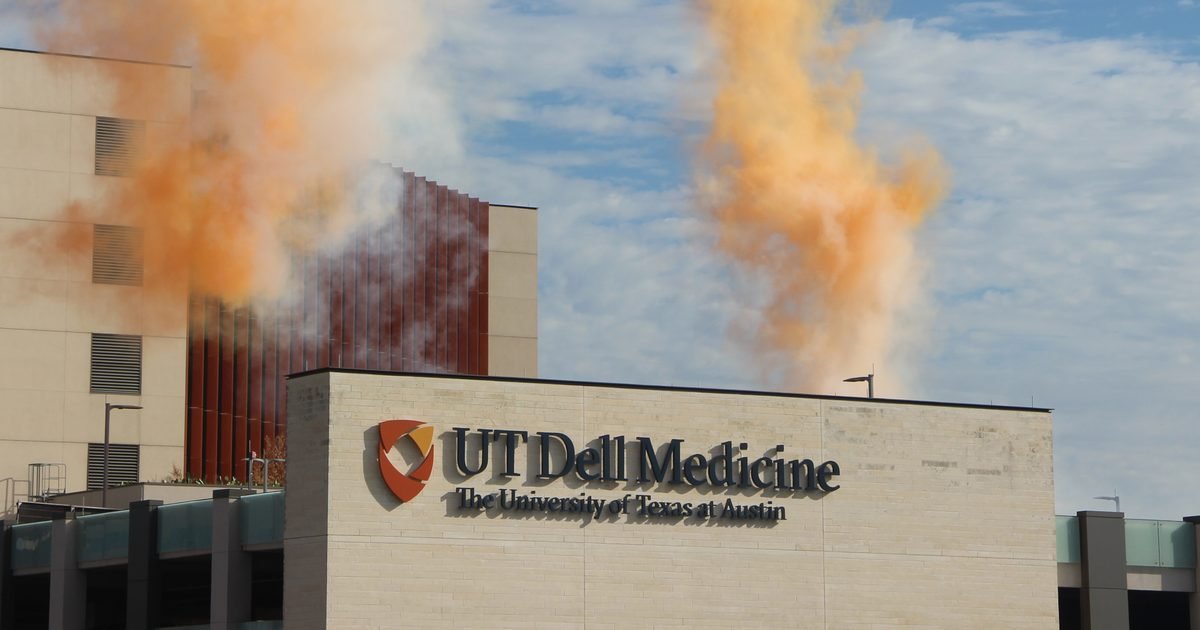
The University of Texas at Austin has officially entered a new era of medical research and patient care with the rebranding of its academic health system to “UT Dell Medicine.” This shift is not merely cosmetic; it marks the beginning of a multi-billion-dollar expansion that promises to transform the regional healthcare ecosystem. Anchored by the existing Dell Medical School, the system is preparing for the construction of a new, cutting-edge UT Dell Medical Center in North Austin.
Experts anticipate that this facility will leverage advanced medical technology and AI-assisted diagnostics, mirroring a national trend where academic centers use machine learning to accelerate clinical trials and patient outcomes. By centralizing research and delivery, the university aims to position Austin as a premier hub for digital health innovation.
## Urban Development and Tech-Enabled Transit
As the population density in Austin’s suburbs climbs, local governance is turning to smarter development strategies. In Round Rock, developers have received the green light for a 72-acre expansion of the Salerno subdivision. The addition of 330 new homes highlights the ongoing demand for residential growth, necessitating robust infrastructure to support the influx.
This focus on connectivity extends to the transportation sector as well. The Texas Department of Transportation (TxDOT) has officially concluded the massive $677 million Oak Hill Parkway project in Southwest Austin. After nearly four decades of planning and five years of active construction, the project introduces improved roadways designed to handle the region’s increasing traffic volume. These infrastructure improvements often incorporate smart-city features—such as IoT sensors and responsive traffic light synchronization—which rely on real-time data to optimize commute times, a critical need in a tech-centric city that frequently integrates Google Maps data and other navigation tools to manage its daily transit patterns.
## Educational Updates and Retail Growth
In the northern corridors of the Austin area, shifts in commerce and education are moving in tandem. Pflugerville ISD recently shared critical updates regarding its budgetary outlook, demographic trends, and campus improvement plans, signaling an effort to maintain high educational standards amidst rapid regional growth. Keeping pace with these suburban developments, retail expansion continues to accelerate. Georgetown is slated for a second Tractor Supply Co. location, a $2.8 million development project that illustrates the commercial vitality of the area as it builds toward 2028.
Meanwhile, the local dining scene continues to demonstrate resilience and adaptability. The Cedar Park location of Dog Haus recently reopened under new ownership, a reminder that the small-business sector is a vital component of the area’s economic health.
As these diverse projects—ranging from medical breakthroughs to roadway completions—take shape, the Austin region is clearly prioritizing long-term scalability. By combining large-scale capital investments with a commitment to physical and digital infrastructure, the area is positioning itself to handle its ongoing expansion. Whether it is through the deployment of advanced medical AI, the utilization of sophisticated traffic management systems, or the careful planning of residential subdivisions, Austin continues to prove that it is a city built on the intersection of rapid growth and modern technical integration.
Disclaimer: This content is auto-generated for informational purposes only.
Source: Read Original News