






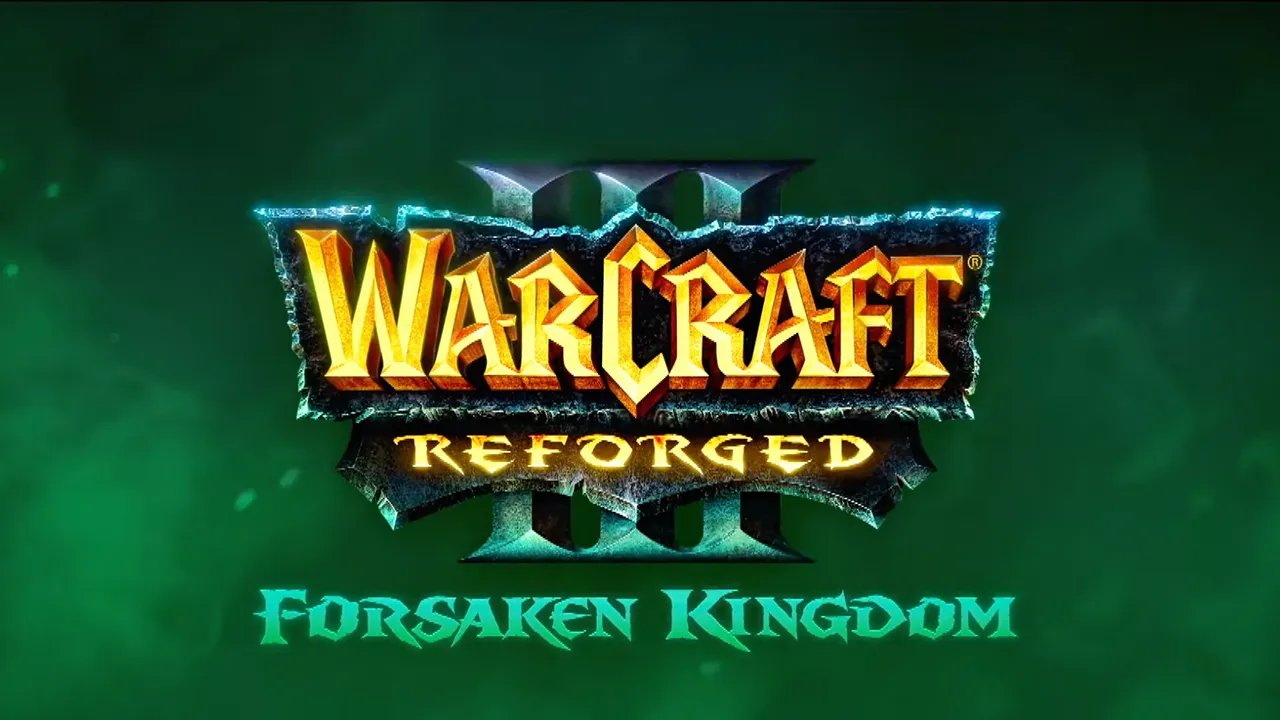
Warcraft 3 Resurgent: The Forsaken Kingdom Prologue
In a surprising turn of events during the BlizzCon 2026 opening ceremony, Blizzard Entertainment announced a significant expansion for one of its most enduring real-time strategy (RTS) titles. Warcraft 3, a pillar of the genre that first launched in 2002, has received a brand-new, two-part campaign titled Forsaken Kingdom. This release marks a notable shift in how the studio is handling its legacy catalog, providing fresh content for a game that has maintained a dedicated player base for over two decades.
Forsaken Kingdom is available as a standalone purchase, allowing both long-time veterans and new players to experience this specific narrative addition without needing to navigate the complexities of the full game installation if they choose not to. The release serves as a bridge, expanding the established lore and offering a tactical experience designed to challenge modern standards of RTS engagement while remaining faithful to the core mechanics that defined the original Warcraft 3 experience.
The 3.0 Update and Technical Enhancements
The arrival of the new campaign coincides with the rollout of the 3.0 update for Warcraft 3: Reforged. Unlike the paid campaign expansion, this update is provided free of charge to all existing players, functioning as a comprehensive technical overhaul. The 3.0 patch focuses on modernizing the backend architecture to ensure the game remains stable on contemporary hardware and operating systems.
Key technical improvements in this update include optimizations for high-resolution displays, refined input latency, and improved matchmaking stability. For many, the most significant aspect of the 3.0 update is the overhaul of the World Editor. Blizzard has introduced new scripting tools, expanded asset management, and improved debugging capabilities, empowering the modding community to create more complex maps and custom game modes. This commitment to the toolset suggests that the studio intends to maintain the longevity of the game by supporting the user-generated content ecosystem that famously birthed genres like the Multiplayer Online Battle Arena (MOBA).
Expanding the Narrative Footprint
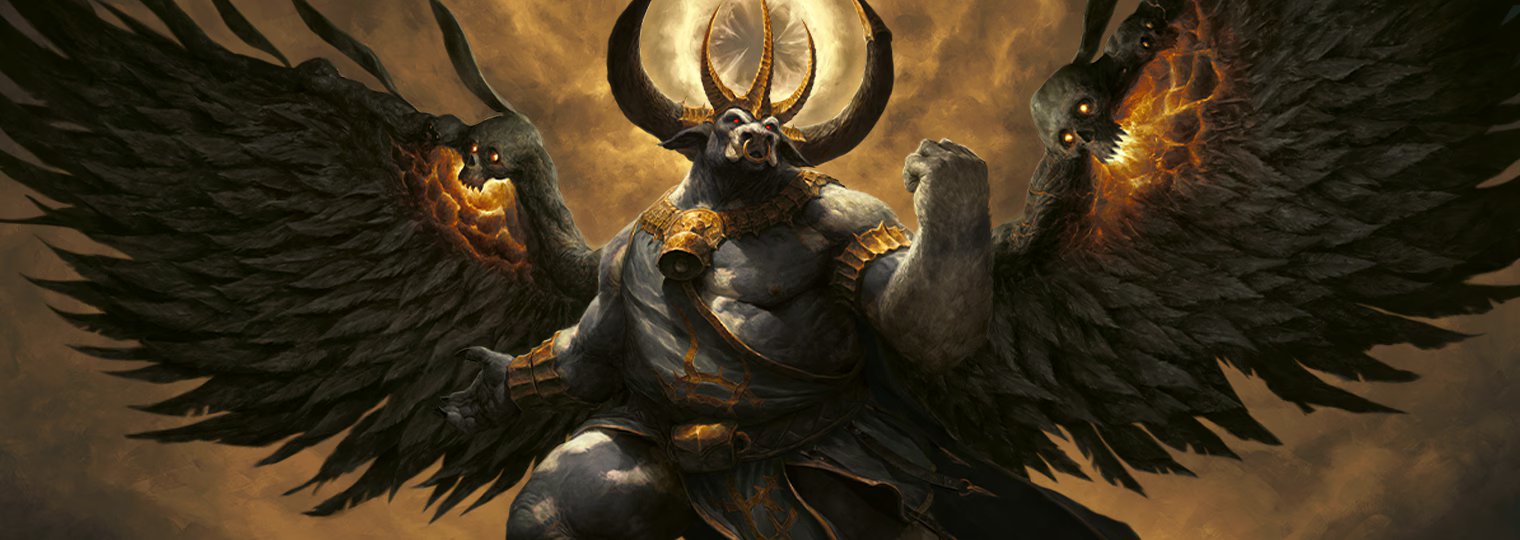
Forsaken Kingdom acts as a prologue, diving into the dark history of Lordaeron and the rise of the undead forces. By focusing on a two-part structure, the developers have been able to craft a tightly paced narrative that avoids the bloat sometimes found in larger expansion packs. This content design caters to players looking for a focused, high-stakes tactical experience that highlights the unique hero-centric gameplay mechanics of Warcraft 3.
Technically, the campaign utilizes the updated rendering engine introduced in Reforged, allowing for more detailed unit models and environmental effects. The narrative structure is designed to integrate seamlessly with the existing campaign progression, providing context for the chaotic events that eventually lead to the destruction of the human kingdoms. For the developer, this release serves as a testbed for delivering serialized content within a legacy environment, proving that older titles can still act as viable platforms for new storytelling.
Impact on the Real-Time Strategy Genre
The release of Forsaken Kingdom and the 3.0 update represents a broader trend of software longevity in the gaming industry. By updating a 24-year-old title, Blizzard is acknowledging the technical debt accumulated over decades and systematically resolving it. This approach sets a precedent for how studios might preserve and modernize classic RTS titles that remain culturally significant.
From an industry standpoint, the move demonstrates that there is still a robust market for classic-style real-time strategy games. Warcraft 3 has long been a benchmark for balanced competitive play and narrative-driven campaign design. By updating the World Editor and releasing new content, Blizzard is reinforcing the competitive viability of the game. For developers and software engineers, these updates serve as a case study in legacy code maintenance, demonstrating how to bridge the gap between 2002-era programming constraints and modern computing environments without alienating the established user base.
Future Implications for the Warcraft Franchise
The shadow-drop of Forsaken Kingdom has generated significant discourse regarding the future of the Warcraft universe. By keeping the RTS genre active, Blizzard maintains a pipeline for lore exploration that differs significantly from the Massive Multiplayer Online (MMO) format. This dual-pronged approach allows the franchise to exist in multiple genres simultaneously, catering to players who prefer the strategic oversight of an RTS while also supporting the exploration-heavy nature of its MMO counterpart.
Furthermore, the integration of these updates into the current ecosystem suggests that Blizzard is prioritizing the “Warcraft” brand as a unified entity. The 3.0 update is not just a patch; it is an infrastructure project designed to support ongoing engagement for the foreseeable future. As the industry moves toward service-based models, transforming a classic RTS into a living platform through consistent updates and expanded toolsets provides a blueprint for how other classic franchises can be preserved and updated to meet the expectations of a modern digital audience. Whether this marks the beginning of a recurring content cycle for the game remains to be seen, but the immediate result is a revitalization of one of the most important titles in the history of strategy gaming.
Disclaimer: This content is auto-generated for informational purposes only.
Source: Read Original News