







Ensuring Food Safety in Bengaluru’s Growing PG Sector
The rapidly expanding paying guest (PG) accommodation sector in Bengaluru is currently under intense scrutiny. As the city continues to attract students and working professionals from across the country, the standard of living and, more importantly, the quality of food served in these facilities have become major concerns for residents. Responding to a surge in complaints regarding poor hygiene and compromised food standards, the Karnataka Food Safety and Drug Administration (FSDA) has launched a comprehensive special inspection drive. This initiative targets the food preparation and storage practices prevalent in dozens of residential facilities across the city.
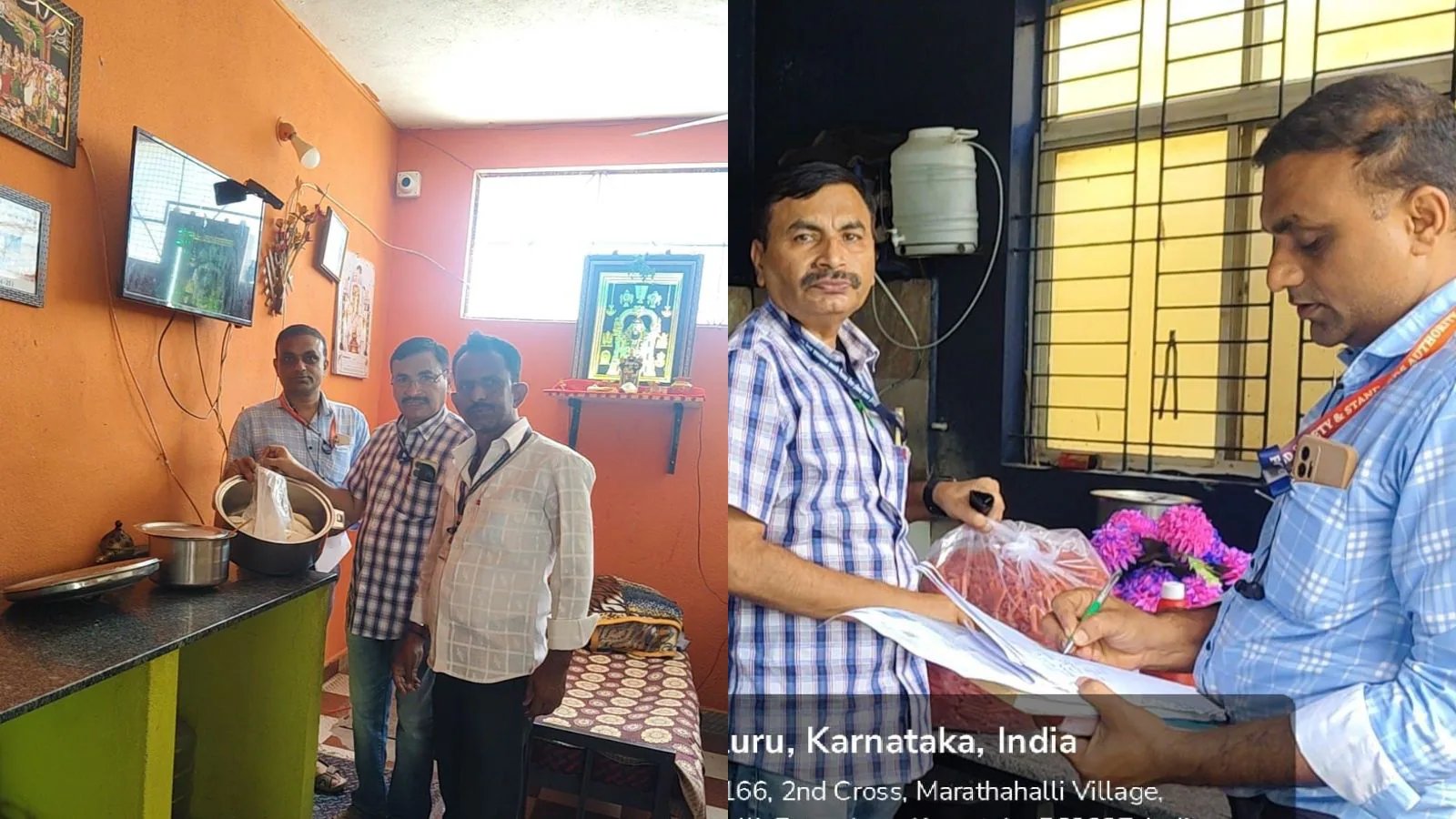
The latest series of raids involved 64 different PG accommodations situated in and around Bengaluru. The findings of these inspections paint a troubling picture of the current state of food management within these businesses. During the surprise visits, food safety officials uncovered a range of violations that directly threaten the health of occupants. These included the storage and use of expired ingredients, such as rice flour, bisibele bath powder, and curd. Furthermore, the discovery of synthetic food colors and misbranded food items suggests a lack of regulatory compliance and poor quality control in the kitchens of these establishments.
Shocking Revelations of Negligence
Perhaps the most alarming discovery occurred at the Nandana Elite PG in Bommasandra, where officials encountered a hazardous violation. Investigators found poisonous bed bug powder stored on a dining table, in direct proximity to the food being served to residents. The presence of chemical insecticides in an area designated for human consumption reflects a severe lack of awareness regarding basic health and safety protocols. Following this discovery, the local authorities immediately sealed the dining area of the facility to prevent further health risks to the tenants.
In addition to documenting physical violations, the food safety regulators collected 12 food samples from the inspected premises. These samples have been sent to government laboratories for detailed chemical and biological testing. These tests are expected to provide scientific clarity on the extent of contamination and ensure that any further regulatory action taken against the offending PGs is backed by evidence. Out of the 64 facilities checked, notices were issued to 23, signaling a firm stance by the authorities against negligent management.
A Broader Pattern of Regulatory Enforcement
The crackdown on PG accommodations is not an isolated event but rather part of a larger, state-wide push by the Karnataka health department to clean up the food industry. Over the past two months, food safety officials have been conducting multiple raids on a wide array of businesses. These have included popular hotels, established restaurants, and the growing network of quick commerce dark stores. The consistent discovery of deficiencies during these operations suggests that the administrative focus on food safety is deepening to cover all sectors where consumers might be vulnerable to poor standards.
Recently, the Karnataka government took a significant step by suspending the food licenses of major e-commerce platforms, including Amazon, Instamart, and BigBasket. The intervention came after it was revealed that these platforms were listing toxic datura fruits and seeds for sale, sometimes even under valid FSSAI registration numbers. The authorities noted that these products, which are poisonous if ingested, were being marketed for human consumption, posing a serious threat to public health. This move underscored the state’s intent to hold both physical and digital food retailers accountable for the safety of the products they supply.
Engagement with Industry Stakeholders
Recognizing that regulatory action alone cannot transform the landscape, the state government has initiated dialogue with industry leaders. Last week, officials held a high-level meeting with representatives of the Karnataka State Hotels Association and several prominent hotel owners. During these discussions, State Health Minister UT Khader emphasized that food hygiene and quality are non-negotiable aspects of any food-related business.
The minister stressed that the health of the citizens remains the government’s top priority. The goal of these consultations is to encourage the industry to self-regulate and foster a culture of safety. By engaging directly with stakeholders, the government aims to bridge the gap between regulatory requirements and operational practices, ensuring that business owners are fully aware of their responsibilities to the public.
Impact on Bengaluru’s Migrant Population
For a city like Bengaluru, where a significant portion of the population relies on PGs for their daily lodging and meals, these interventions are vital. Many young professionals and students working away from their homes often have limited alternatives for their daily nutrition, making them reliant on the quality of food provided by their accommodations. By ensuring that these facilities meet health standards, the government is effectively protecting a vulnerable segment of the demographic from foodborne illnesses and long-term health complications.
The ongoing inspections send a clear message to the PG industry: hygiene and regulatory compliance are mandatory, not optional. As the authorities continue their efforts to standardize food safety across the city, the hope remains that these measures will force a shift in operational culture. Residents and tenants are encouraged to remain vigilant and continue reporting unhygienic conditions to the local food safety authorities, as public oversight remains a powerful tool in supporting these government crackdowns. The current wave of enforcement is expected to continue until a higher standard of safety becomes the standard practice throughout the region.
Disclaimer: This content is auto-generated for informational purposes only.
Source: Read Original News