







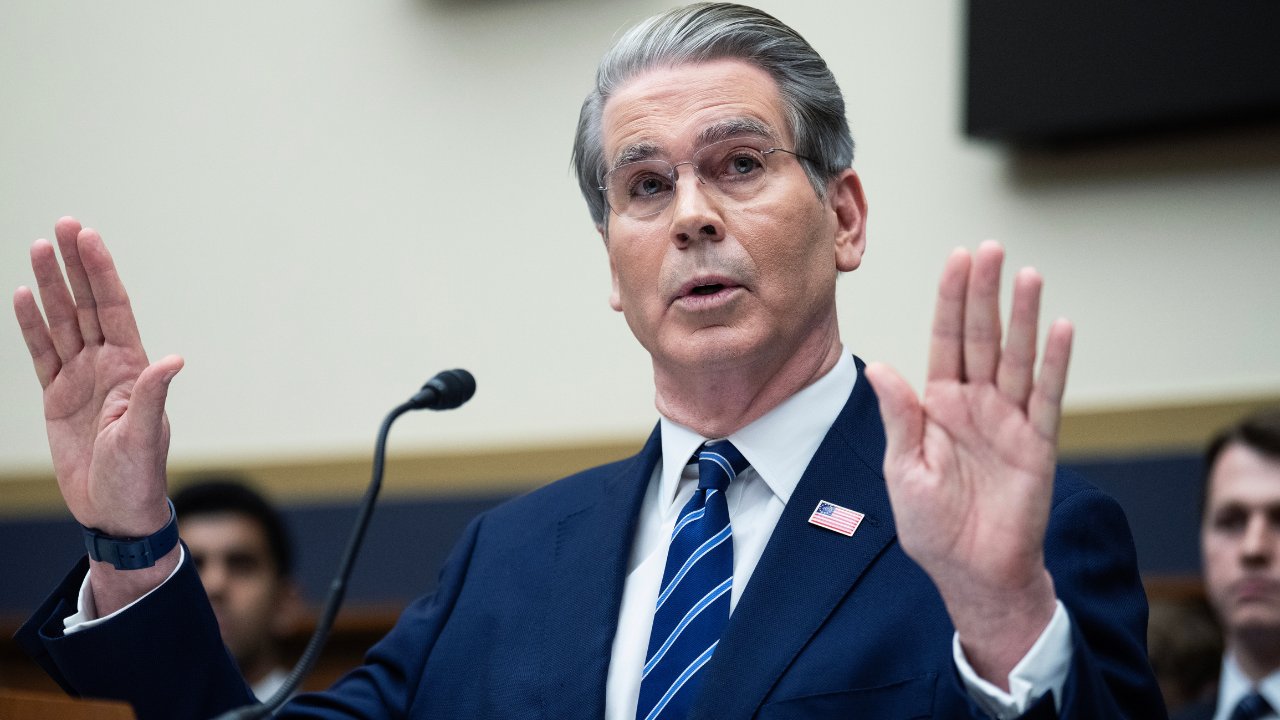
Treasury Secretary Scott Bessent announced this week that the United States and China have reached an agreement to extend the “Busan agreement,” a critical trade-war truce originally established by President Donald Trump and President Xi Jinping in October 2025. The economic détente, which was scheduled to lapse on November 10, will now remain in effect until January 10. According to the Treasury Secretary, this extension provides necessary breathing room for both superpowers to navigate ongoing economic tensions and pursue further diplomatic solutions.
Beyond the trade landscape, the administration is heavily focused on the intersection of national security and emerging technology, specifically the global race for dominance in artificial intelligence.
The Global AI Arms Race and Safety Protocols
As the United States maintains a significant lead in the development of sophisticated AI, officials are moving to establish formal communication channels with Beijing regarding the risks associated with the technology. Secretary Bessent addressed his recent multi-day discussions with China’s Vice Premier He Lifeng, highlighting a proposed “notification mechanism” between the two nations.
This system is designed to provide alerts regarding AI-related safety incidents that could threaten national security. The administration views this engagement as essential to managing the perils of rapid technological advancement. The Treasury Secretary emphasized that the U.S. remains at the forefront of the industry, and Beijing has expressed a strong desire to collaborate on defining risk factors. These efforts specifically target concerns such as the rise of uncontrolled AI agents, potential misuse by non-state actors for cyber operations, and the role of machine learning in the field of biologics.
While President Trump has publicly characterized some technical concerns regarding AI as a “hoax,” the administration’s pragmatic approach to international cooperation suggests a strategic effort to ensure that America’s lead is protected through standardized global safety frameworks.
Escalating Economic Pressure on Iran
Parallel to the efforts regarding China, the Treasury Department continues its aggressive financial campaign against Iran, which is now nearing its seventh month of conflict with the United States. Through an initiative dubbed “Operation Economic Outcast,” the U.S. is systematically cutting off Iran’s access to the global financial system.
Bessent described the current strategy as an effort to starve the regime of “financial oxygen.” The campaign has reached such intensity that it has crippled Iranian aviation, with Bessent noting that nearly 90% of external flights from Iran have been grounded. The Treasury’s strategy relies on punishing foreign banks and businesses that continue to facilitate trade with Tehran. Bessent warned that the regime is effectively a “cornered animal,” outlining three potential outcomes for the ongoing conflict: a internal collapse as the regime turns on itself, a broad-scale public uprising, or a total concession by Iranian leadership to negotiate terms that the U.S. can verify.
Future Outlook on Global Stability
The extension of the Busan agreement and the push for AI oversight reflect a broader U.S. strategy of managing global adversaries through a combination of strict economic isolation and controlled diplomatic engagement.
By tying the survival of foreign regimes to their willingness to comply with international financial norms, the Treasury Department is testing the limits of non-military influence. Simultaneously, the focus on AI safety demonstrates an understanding that the next theater of global competition is as much about code and processing power as it is about traditional trade deficits or sanctions. As January 10 approaches, the administration’s success in these arenas will likely hinge on whether they can maintain the current level of international pressure while preventing the systemic risks of a high-speed, AI-driven global infrastructure from spiraling out of control.
Disclaimer: This content is auto-generated for informational purposes only.
Source: Read Original News