









U.S. Escalates Economic Pressure on Iran, Threatens Secondary Sanctions for Trading Partners
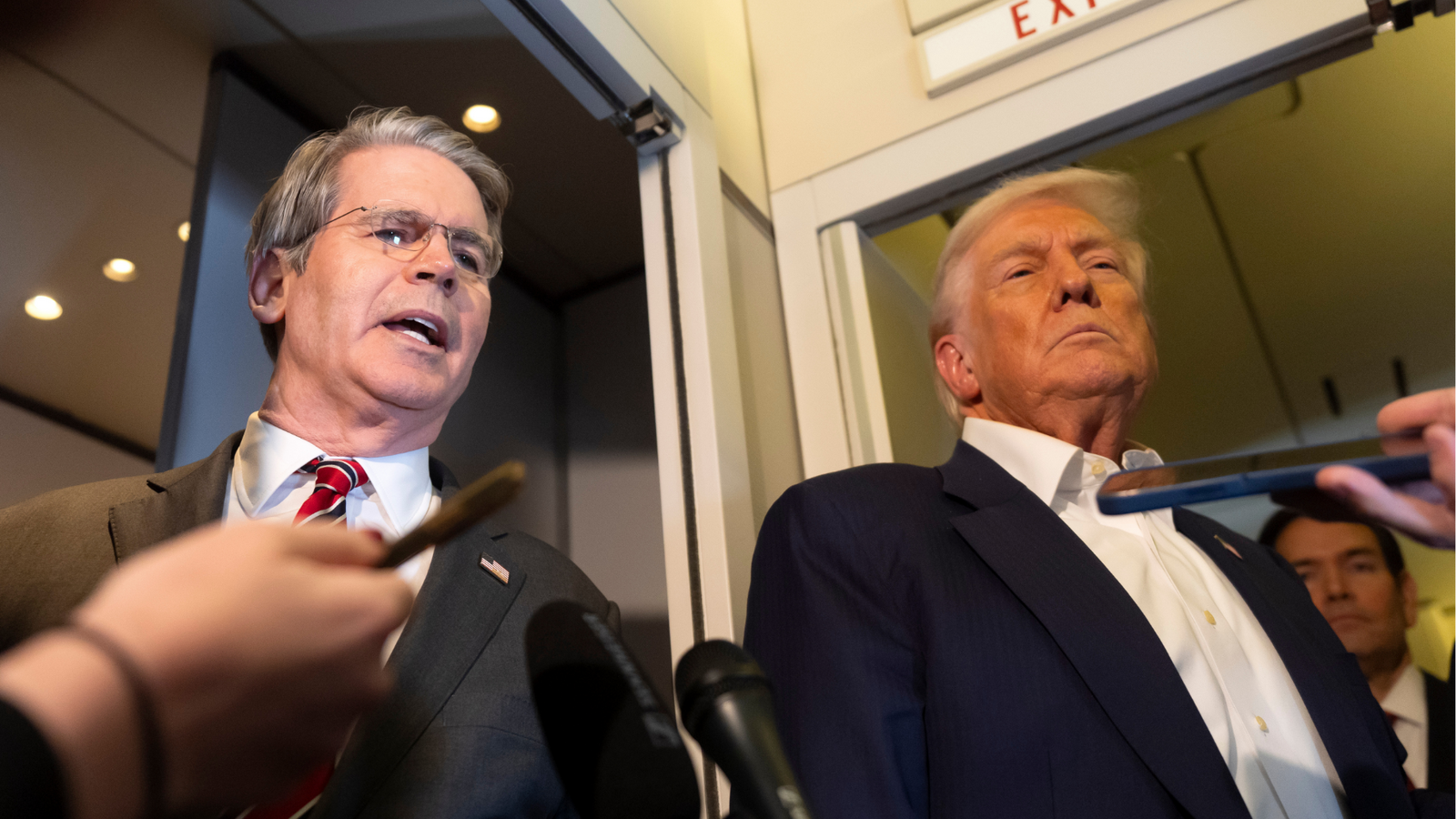
WASHINGTON — The United States has launched an aggressive new offensive against the Iranian economy, with Treasury Secretary Scott Bessent announcing a sweeping sanctions regime aimed at severing all remaining revenue streams for Tehran. In a stark warning to the international community, Bessent declared that countries maintaining economic ties with the Iranian regime will face severe retaliation.
“Let there be no ambiguity as to the position of the United States,” Bessent stated during a Monday press conference. “An economic engagement of any kind with this murderous regime will expose those responsible to the full reach of American power.”
The move marks a departure from previous diplomatic caution, with Bessent explicitly stating that it is “no longer acceptable to operate in the gray spaces” of the ongoing conflict. While the Treasury Department did not name specific nations at risk of secondary sanctions, the policy places significant pressure on Iran’s largest trading partners, including China, Turkey, and the United Arab Emirates (UAE).
A Currency in Freefall
The announcement comes as Iran’s economy teeters on the brink of collapse. On Monday, the Iranian rial plummeted to a record low of 2.02 million to the U.S. dollar on open markets. For the average Iranian, the economic reality is increasingly dire: the cost of rice has surged by 60%, while beef prices have climbed more than 150%. The International Monetary Fund (IMF) now forecasts a contraction of more than 5% in Iran’s GDP.
President Donald Trump took to social media to signal his administration’s intent, declaring, “IRAN IS COMPLETELY COLLAPSING!!!”
In a recent op-ed for the Financial Times, Bessent emphasized that the administration’s strategy is designed to isolate the regime. “The regime’s final refuge now lies in the self-deception of fearful nations that still believe accommodating aggression can secure a durable peace,” he wrote.
The Battle for the Strait
Despite the economic turmoil, Iran has leveraged its strategic position in the Strait of Hormuz to maintain a grip on global energy supplies. By disrupting traffic in the vital waterway—through which roughly 20% of the world’s oil transits—Tehran has inflicted significant damage on the global economy. Iran is reportedly seeking to capitalize on this leverage, refusing to normalize traffic unless it is permitted to levy transit fees.
Reports suggest that Iran and neighboring Oman are in the final stages of negotiating a joint management plan for the strait, a move that could complicate U.S. efforts to maintain a naval blockade.
Diplomatic Hurdles and Regional Mediation
As tensions boil over, international mediators are working to prevent further military escalation. On Monday, a high-level Pakistani delegation, led by Field Marshal Asim Munir, arrived in Tehran. The visit, which followed discussions between President Trump and the Pakistani army chief, aims to coax both Washington and Tehran back to the negotiating table.
This diplomatic push follows a precedent set in June, when Pakistan played a critical role in brokering a 60-day ceasefire. However, the path to peace appears fraught with obstacles. For many in Iran, the latest new U.S. sanctions are viewed as the final nail in the coffin for any hope of a diplomatic breakthrough.
“There is no hope for a deal and peace,” said Sadegh Mahmoudi, 73, as he stood in a long line in Tehran to trade his remaining savings for U.S. dollars.
While the UAE has already moved to suspend trade with Iran, Tehran remains defiant. Iranian Foreign Ministry spokesperson Esmail Baghaei warned on Monday that “any escalation of this situation will undoubtedly bring about consequences,” adding, “Our hands are not tied.”