








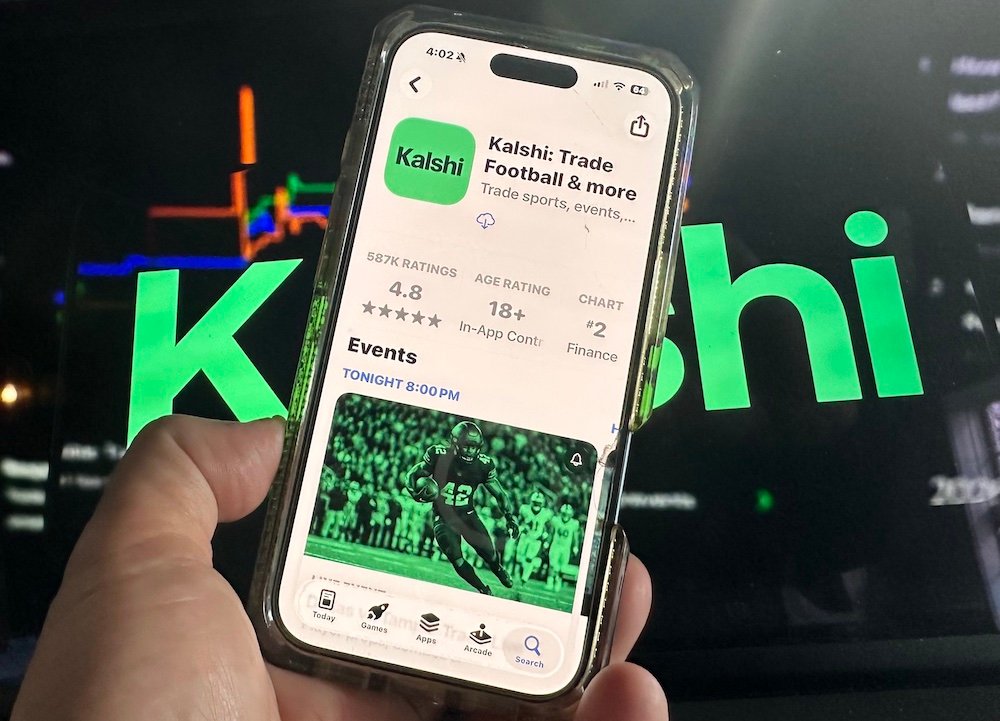
A deepening rift is forming across Indian Country as a group of tribal nations challenges the traditional establishment by partnering with the federally regulated prediction-market operator KalshiEX LLC. While major tribal gaming organizations remain locked in a fierce legal battle to categorize these prediction markets as illicit, unregulated sports betting, a new coalition of smaller, land-poor tribes is embracing the technology as a vital tool for economic diversification.
On October 7, four additional tribes—the Alabama-Quassarte Tribal Town of Oklahoma, along with California’s Greenville Rancheria, Kletsel Dehe Wintun Nation, and the Alturas Indian Rancheria—announced they would launch their own branded prediction-market platforms. These nations join the Tunica-Biloxi Tribe of Louisiana, which broke ground with the launch of its SaltTrade Derivatives venture in September.
A New Strategy for Economic Sovereignty
For many of these nations, the appeal of partnering with Kalshi lies in the ability to bypass the immense overhead required for traditional, brick-and-mortar gaming operations. Unlike massive casino complexes that require prime locations near high-traffic population centers, these digital ventures allow tribes to leverage federal financial regulations to generate revenue regardless of their geographic location.
“Geography has kept many tribes from sharing in the prosperity that gaming created,” said Alabama-Quassarte Chief Wilson Yargee in a statement regarding the launch of their platform, PokkeTrades. “Prediction markets offer an opportunity to reach beyond those limits and build revenue for our people.”
Similarly, the Kletsel Dehe Wintun Nation, which does not operate a casino, views its upcoming platform, Sovereign Edge, as a way to provide essential services to its citizens without the need for the heavy infrastructure and land development required by the traditional gaming industry.
Legal and Political Tensions Intensify
This move has drawn sharp criticism from established tribal gaming organizations, who fear the expansion of prediction markets threatens the exclusivity and legal foundations of existing tribal-state compacts. Critics argue that these platforms are essentially “Class III” gaming operations that should fall under the Indian Gaming Regulatory Act. The California Nations Indian Gaming Association has been particularly vocal, labeling these partnerships as “profoundly disappointing” and warning they could undermine the long-standing regulatory protections that keep tribal gaming profitable.
Kalshi maintains that its contracts operate under federal financial oversight, distinct from the sports betting laws that govern state-regulated casinos. This fundamental disagreement over the classification of the products remains a core friction point in courts and federal regulatory agencies.
The Future of Tribal Digital Markets
Industry analysts suggest this split reflects a growing divide between large, established gaming tribes and smaller, rural nations seeking an entry point into the digital economy. Ryan Butler, senior editor at Covers, notes that this dynamic mimics the early days of sports betting, where smaller tribes pursued innovative partnerships that larger, risk-averse operators initially shunned.
“Prediction markets are honestly booming,” Butler said. “You can see the revenue potential there, and you can see the motivation for smaller tribes to make this move.”
While these specific tribal-led platforms may not immediately shift the broader legal landscape in states like California or Oklahoma, they add a significant layer of complexity to the ongoing dialogue surrounding gaming legislation. As these tribes launch their apps—retaining control over their own branding and customer relationships while leveraging Kalshi’s infrastructure—they are effectively asserting their right to innovate within the evolving digital marketplace.
As gubernatorial and legislative environments shift, the battle over these platforms is expected to remain a central, contentious issue in the broader conversation regarding tribal sovereignty and the future of digital gaming in the United States.
Disclaimer: This content is auto-generated for informational purposes only.
Source: Read Original News