






The Power of Global Mobility: Lessons from the KLYES Exchange Programme
The landscape of modern education is shifting from classroom-bound learning to global exposure. Programmes like the Kennedy-Lugar Youth Exchange and Study (KLYES) are at the forefront of this movement, offering students a unique opportunity to immerse themselves in diverse academic and cultural environments. For many students, such as Abhinav Tiwari from VidyaGyan, Bulandshahr, the exchange year is not merely an opportunity to improve language skills, but a transformative journey that redefines the scope of international education.
Beyond the Classroom: Holistic Educational Growth
While traditional education is often measured by grades and examinations, exchange programmes focus on “experiential learning”—a policy approach that emphasizes learning through reflection on doing. For students like Tiwari, the transition from the familiar environment of India to the classrooms of Sitka, Alaska, served as a catalyst for personal development that formal schooling alone might not provide.
The KLYES experience highlights the importance of institutional support in student mobility. A successful exchange is heavily reliant on the host family and local community infrastructure, which act as the first line of support for international students. Participation in extracurricular activities—such as community choirs, orchestras, and long-distance running—demonstrates how educational policies that encourage a “holistic” curriculum can foster resilience, confidence, and adaptability.
The Role of Cultural Diplomacy in Education
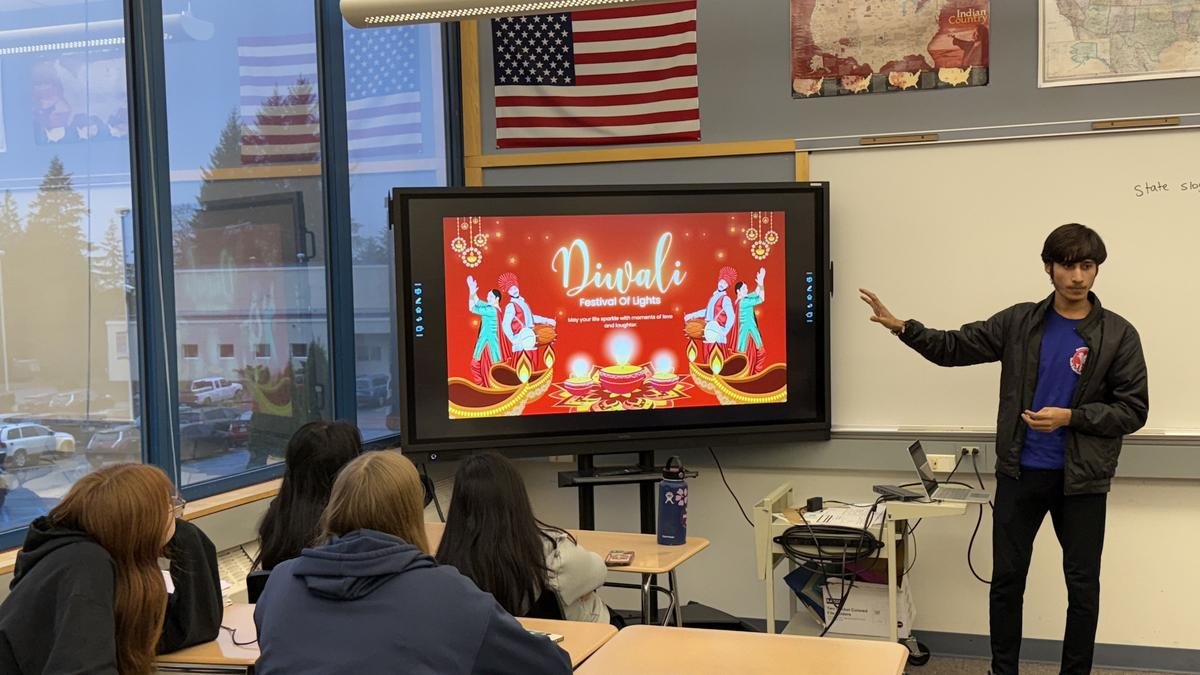
An increasingly vital component of global student exchange is the role of the learner as a “young ambassador.” In today’s interconnected world, educational institutions are encouraged to promote intercultural competence. By giving presentations on India’s diversity and hosting cooking classes, exchange students bridge the gap between abstract academic knowledge and real-world cultural understanding.
This reciprocal exchange of knowledge is central to the KLYES framework. When students share their heritage, they move from being passive consumers of information to active contributors to the global community. This process enhances the student’s ability to communicate complex ideas and helps host communities develop a more nuanced understanding of international perspectives.
Policy Implications for Future Study Abroad
The success of such programmes carries significant weight for future educational policy. The data from such experiences—including the completion of volunteer hours and participation in international workshops—suggests that educational boards and governments should further prioritize international mobility in their curricula.
For many students, the “hidden curriculum” of an exchange year—the development of soft skills such as gratitude, confidence, and the ability to navigate uncertainty—is as critical as any formal subject matter. Policies that simplify visa processes, increase scholarship availability, and expand partnerships between schools in different nations are essential to democratizing access to these opportunities.
Redefining Home and Learning
The narrative of an exchange student concludes with a shift in perspective. Education is often mistakenly viewed as a linear progression of learning facts and passing assessments. However, as Tiwari’s experience suggests, true education involves finding “home” in the unexpected. By stepping out of comfort zones and adapting to new social and environmental climates, students develop a mature outlook that prepares them for a global workforce.
For students currently considering study abroad, the message is clear: do not focus solely on the academic prestige of a destination. Instead, seek programmes that offer a blend of community service, cultural integration, and the flexibility to explore personal interests. By embracing the small, ordinary moments—from cooking a meal with a host family to participating in a local volunteer event—students can turn a simple exchange year into a lifelong asset.
Ultimately, the KLYES programme serves as a model for how education can transcend borders, turning young learners into global citizens who are prepared to navigate an increasingly complex and diverse world.
Disclaimer: This content is auto-generated for informational purposes only.
Source: Read Original News