








Tribal Sovereignty Meets Corporate Ethics: Prairie Band Potawatomi Nation Rethinks Economic Strategy
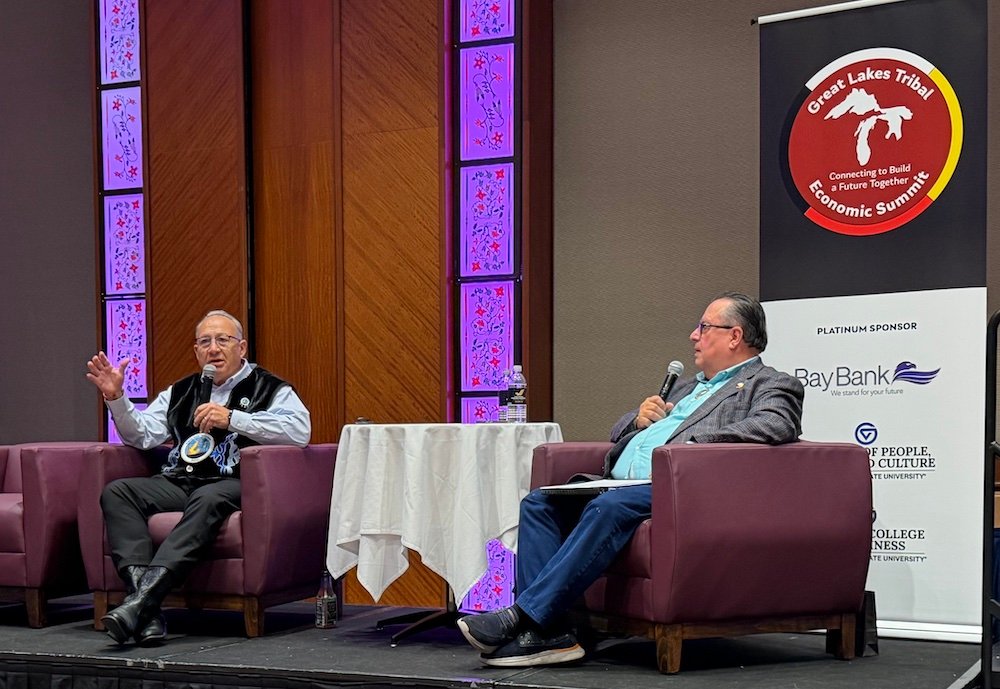
In an era where data-driven artificial intelligence and complex corporate structures often prioritize profit margins, the Prairie Band Potawatomi Nation has offered a stark reminder that tribal business ventures must remain tethered to traditional values. During a recent fireside chat at the Great Lakes Tribal Economic Summit, Chairman Joseph “Zeke” Rupnick discussed the tribe’s decisive move to abandon a $29.9 million federal contract linked to U.S. Immigration and Customs Enforcement (ICE) detention facilities.
The incident serves as a critical case study for how modern, high-stakes contracting can create ethical friction within sovereign nations, and why tribal leadership is increasingly scrutinizing the “arms-length” distance between tribal councils and their economic development entities.
The “Smell Test”: Balancing Profit and Principles
For many indigenous nations, the “Harvard model” of economic development—which advocates for a clear separation between a tribal council and its business arm—is intended to foster professionalism and autonomy. However, Chairman Rupnick highlighted the vulnerabilities of this model when those corporate entities operate without strict cultural oversight.
After news broke in 2025 that the tribe’s subsidiary, KPB Services LLC, had secured a contract to design detention facilities, the backlash was swift. For many tribal citizens, the optics of participating in the creation of detention centers felt historically tone-deaf. Rupnick, who admitted he was caught off-guard by the news, emphasized that the pursuit of revenue should never override a tribe’s moral compass.
“Just because there’s a grant there, not all money is good money,” Rupnick stated. He noted that while the LLC’s leadership was focused on a “home run” for the tribe’s bottom line, they failed to recognize that the very concept of a detention center mirrors the historical trauma of the reservation system. Consequently, the tribal council acted decisively, terminating the executives responsible for the deal within 30 hours of public disclosure.
Navigating the Gray Areas of Modern Contracting
The experience has triggered a deeper internal review of how the tribe manages its economic portfolio. As businesses increasingly rely on advanced logistics, AI-driven resource management, and complex government procurement systems, the line between an “acceptable” business endeavor and a morally compromising one can blur.
Rupnick used the example of green-energy initiatives—such as charging infrastructure for government vehicles—to illustrate the complexity of modern ethics. While the tribe is eager to innovate, it is now subjecting every potential partnership to what the Chairman calls the “smell test.”
This transition toward a more integrated, values-based governance model is not just about avoiding bad press; it is about ensuring long-term continuity. The tribe is currently revisiting its operating agreements to ensure that while the business side remains agile and capable of generating revenue, it is legally bound to the tribe’s cultural principles.
A Call for Future-Proof Leadership
As indigenous nations expand their footprint in the federal contracting space—often navigating the same bureaucratic systems that influence everything from tech industry procurement to global defense spending—Rupnick’s message to other tribal leaders is clear: protect the legacy.
Rupnick’s perspective on immigration also frames his cautious approach to federal contracts. By viewing migrants through a lens of kinship rather than as political subjects, the Chairman reaffirmed that the tribe’s decision to exit the contract was rooted in a sense of shared history.
For the tech and contracting sectors, this serves as a warning: the future of tribal economic development will not be defined solely by the pursuit of federal dollars or technological integration. Instead, it will be defined by an unwavering commitment to the next seven generations. As Rupnick noted, the ultimate test for any economic entity today is not just whether it generates wealth, but whether the results of that work reflect the values that will be inherited by the children of the Nation.
Disclaimer: This content is auto-generated for informational purposes only.
Source: Read Original News