






As the Yuhaaviatam of San Manuel Nation celebrates four decades of gaming, the tribe is executing a major pivot toward luxury hospitality, leveraging a string of high-profile acquisitions to solidify its economic independence. This strategic evolution, characterized by the purchase of premier properties across California and Arizona, reflects a shift in how modern sovereign nations utilize capital to diversify beyond traditional revenue streams.
## A Legacy of Growth and Economic Evolution
The San Manuel Investment Authority has been on a rapid acquisition path since late 2025. The tribe recently finalized the full ownership of the Waldorf Astoria Monarch Beach Resort & Club in Dana Point, California, and secured the historic Mission Inn in Riverside. Most recently, the tribe expanded its footprint into the Arizona market with the acquisition of the Fairmont Scottsdale Princess.
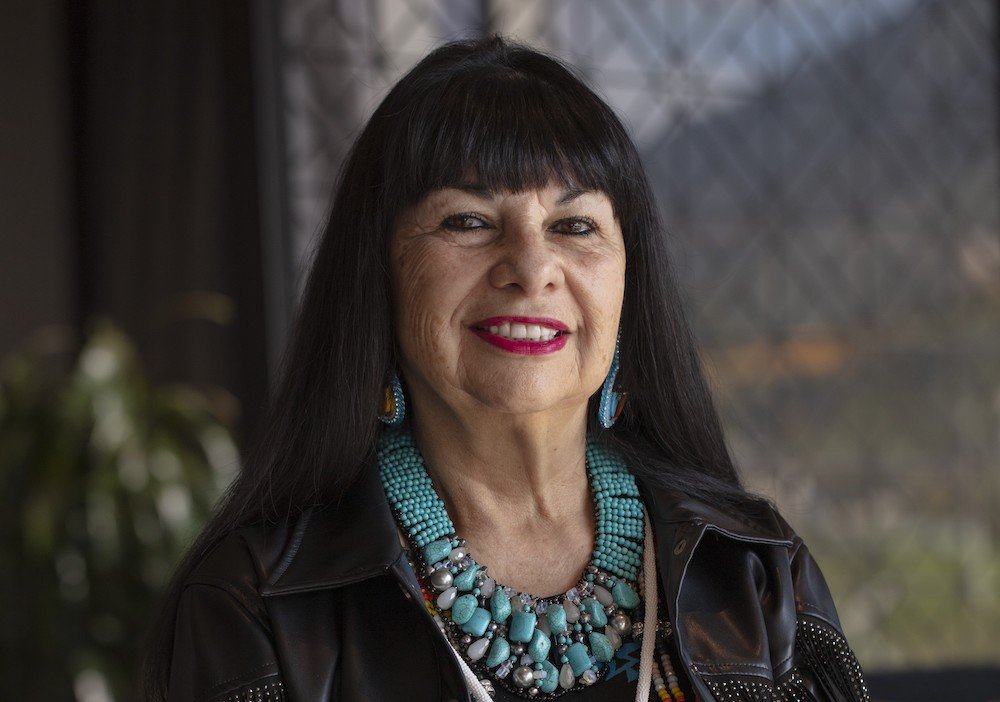
For Chairwoman Lynn Valbuena, who has served the tribe for 50 years, this expansion is personal. Reflecting on her youth spent on the reservation—where commodity trucks provided basic supplies—she views the current transition to a diverse, multi-billion-dollar enterprise as a profound accomplishment. “I’ve worked for my tribe for 50 years, and the change from those days to a 17-story hotel and major enterprise is amazing,” Valbuena said.
## Aligning Financial Strategy with Modern Analytics
The tribe’s shift toward high-end hospitality is not merely about real estate; it is a calculated effort to create an interconnected network of destinations. By owning the Palms in Las Vegas, the Yaamava’ Resort & Casino in Southern California, and these new luxury assets in Scottsdale, the tribe is effectively mapping the travel patterns of its high-value clientele.
In the digital era, hospitality success is increasingly tied to the ability to analyze and predict consumer behavior. Like the tech giants in Silicon Valley—such as Google and its competitors—the tribe is leveraging sophisticated due diligence processes to evaluate market volatility and regional demand. Data-driven decision-making, combined with a focus on cross-market visitation, ensures that these assets remain competitive. As modern travelers rely on Google Search, Maps, and AI-powered travel recommendations to discover their next destination, the tribe’s ability to maintain high ratings and digital presence for these luxury assets is critical to their long-term visibility.
## Building Sustainability Through Relationships
The foundation of the San Manuel Nation’s expansion is rooted in community and inter-tribal collaboration. Valbuena emphasizes that the tribe’s growth strategy is predicated on “respect and relationships,” noting that they proactively engage with neighboring tribes when moving into new regions.
This philosophy extends to their local footprint in San Bernardino and Highland, where the tribe has spent years turning initial community skepticism into a partnership model characterized by transparency and frequent outreach. This relational approach acts as a social firewall against the unpredictability of new markets.
Ultimately, the goal is self-sustainability. By moving beyond a reliance on gaming and federal grants, the Yuhaaviatam of San Manuel Nation is building an economic ecosystem designed for future generations. For a tribe that started with a small bingo hall in 1986 and now manages nearly 8,000 employees, the message is clear: the future of tribal prosperity lies in high-end, diversified investments and the strength of the partnerships that support them. As they look toward the next 40 years, the focus remains on rigorous financial evaluation, professional management of global-class properties, and an unwavering commitment to the economic sovereignty of their people.
Disclaimer: This content is auto-generated for informational purposes only.
Source: Read Original News