







The Paradox of Progress: India’s Complicated Economic Tightrope with China
HONG KONG: India is currently navigating a delicate geopolitical maneuver: attempting to emerge from the long shadow of its northern neighbor while simultaneously cultivating a more stable diplomatic relationship. However, as New Delhi exerts its influence on the global stage, the reality of its profound dependence on China becomes increasingly stark.
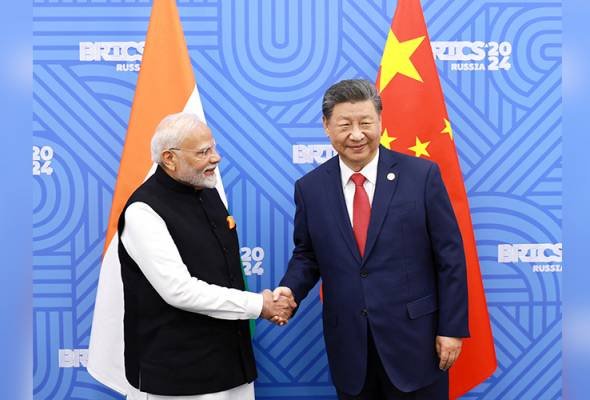
Following the first visit by a Chinese leader to the subcontinent in seven years, Prime Minister Narendra Modi and President Xi Jinping have sought to mend a relationship frayed by the deadly 2020 Himalayan border clashes. While the resumption of direct flights and the expansion of visa services offer a veneer of normalcy, these diplomatic gestures struggle to mask the structural asymmetries that define the world’s two most populous nations.
A Massive Economic Asymmetry
Beneath the surface of high-level meetings lies a staggering trade imbalance. Current data highlights the chasm between the two economies: China accounts for 28% of global value-added manufacturing, whereas India’s share sits at a modest 3%. In terms of global merchandise exports, China commands a 16.3% share against India’s 1.7%.
This imbalance is reflected in a ballooning trade deficit. In 2025 alone, India imported $116 billion more in goods from China than it exported, a gap that reached $91 billion by August of this year, putting the country on track to break previous records.
The Trap of Captive Supply Chains
The core issue is not simply the volume of trade, but its nature. India’s most critical industrial inputs—machinery, chemicals, and electrical components—are largely sourced from China. This creates a cyclical dilemma: as India strives to boost its own manufacturing output, it inadvertently increases its reliance on Chinese-made intermediate goods.
This is particularly visible in the smartphone and pharmaceutical sectors. While India has successfully ramped up assembly and production, the underlying components remain largely Chinese. The strategic danger of this reliance was brought into sharp focus when Beijing imposed export licensing on heavy rare earths in 2025, a move that immediately exposed vulnerabilities in India’s nascent defense and automotive manufacturing sectors.
Domestic Hurdles and Industrial Growth
Much of India’s manufacturing challenge is internal. Research and development spending in India hovers at a mere 0.64% of GDP—significantly lower than regional peers. Furthermore, a persistent shortage of high-end technical labor continues to hamper productivity. The recent withdrawal of Chinese technical staff from Foxconn’s Indian iPhone facilities served as a sobering reminder of how vital foreign expertise remains for India’s advanced manufacturing goals.
To counter this, New Delhi has begun relaxing its stance on Chinese foreign direct investment, allowing up to 10% stakes in domestic firms and fast-tracking high-tech proposals. While these moves have led to a 40% rise in Indian exports to China in recent months, this figure is somewhat misleading. Much of the growth in Indian electronics exports is still tethered to the assembly of imported Chinese components, with local sourcing in the smartphone sector currently stagnant at roughly 18-20%.
A Fragile Path Forward
Ultimately, China remains cautious about sharing its most critical technological advantages, such as EV battery tech and advanced solar energy systems. Combined with the unresolved status of the 3,800-km Himalayan border, the path toward a “mutually acceptable” partnership remains fraught with suspicion.
India’s primary challenge is no longer just about reducing the trade deficit. It is about leveraging these diplomatic efforts to foster genuine domestic capacity. Until India can build a self-sustaining industrial base that reduces its reliance on Beijing’s supply chains, the relationship between Asia’s two titans will remain fundamentally one-sided.
Disclaimer: This content is auto-generated for informational purposes only.
Source: Read Original News